
Last updated November 5, 2026
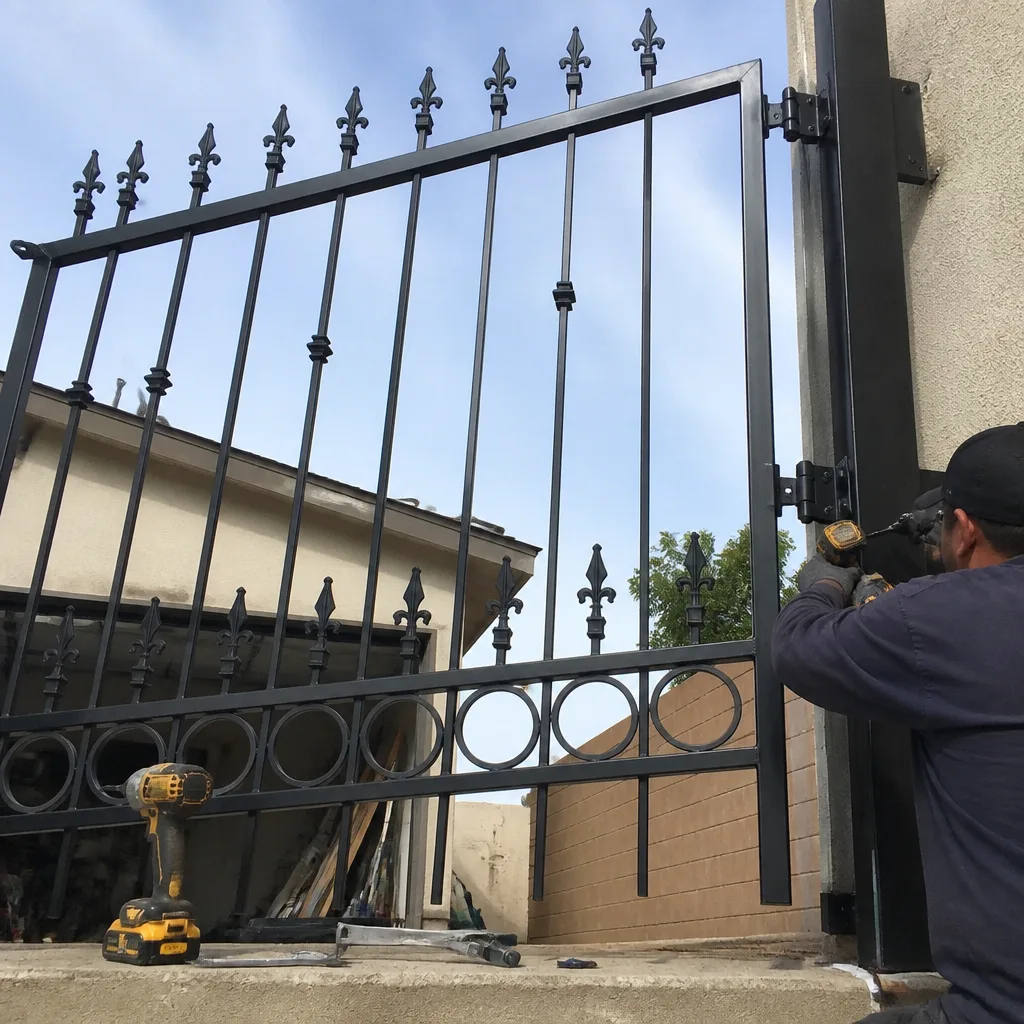
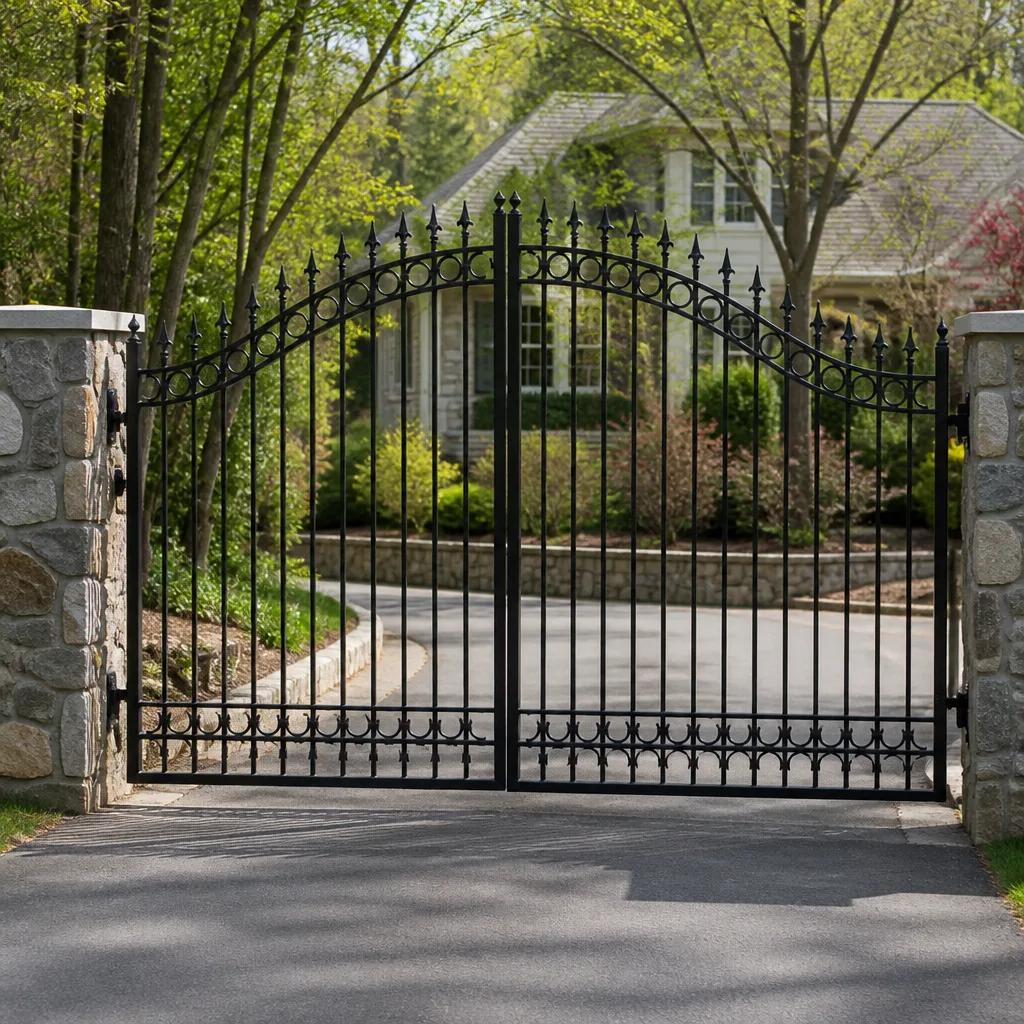 Wrought iron
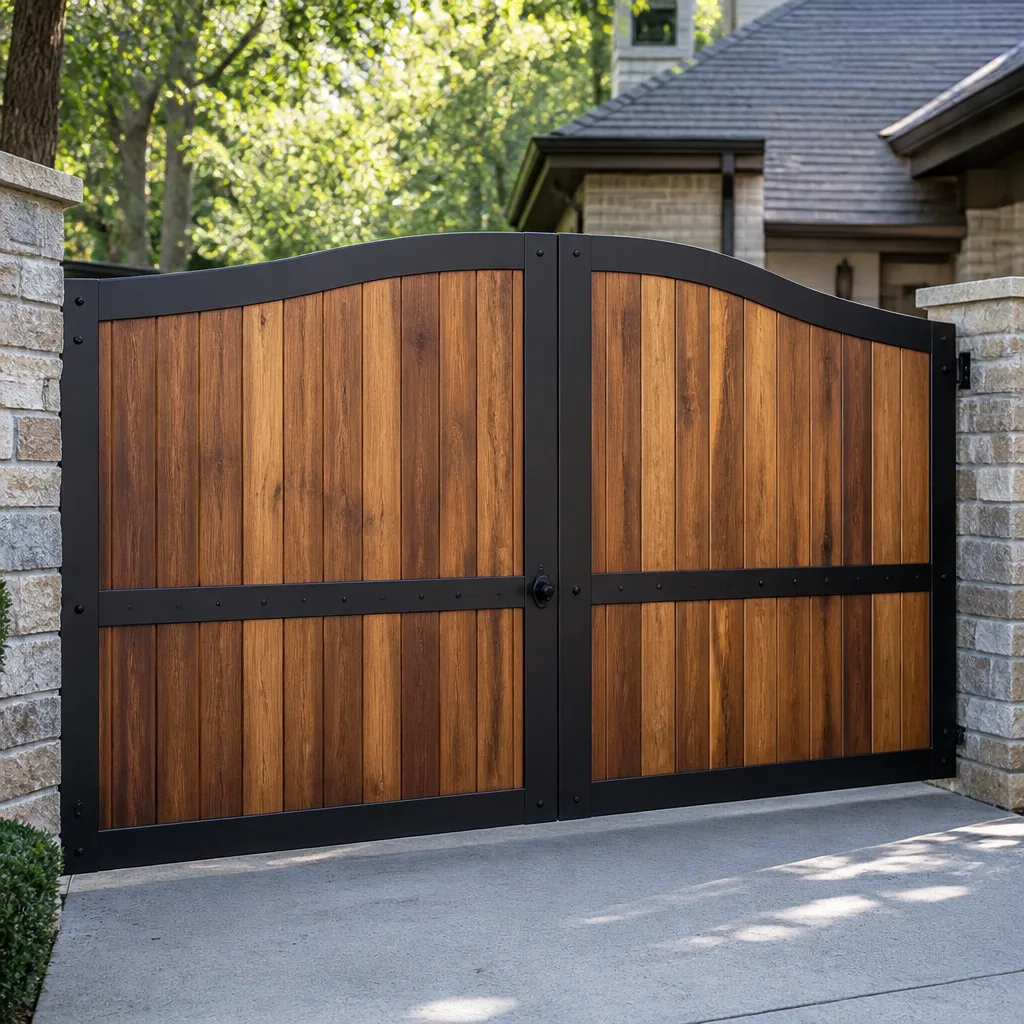 Wood & steel frame
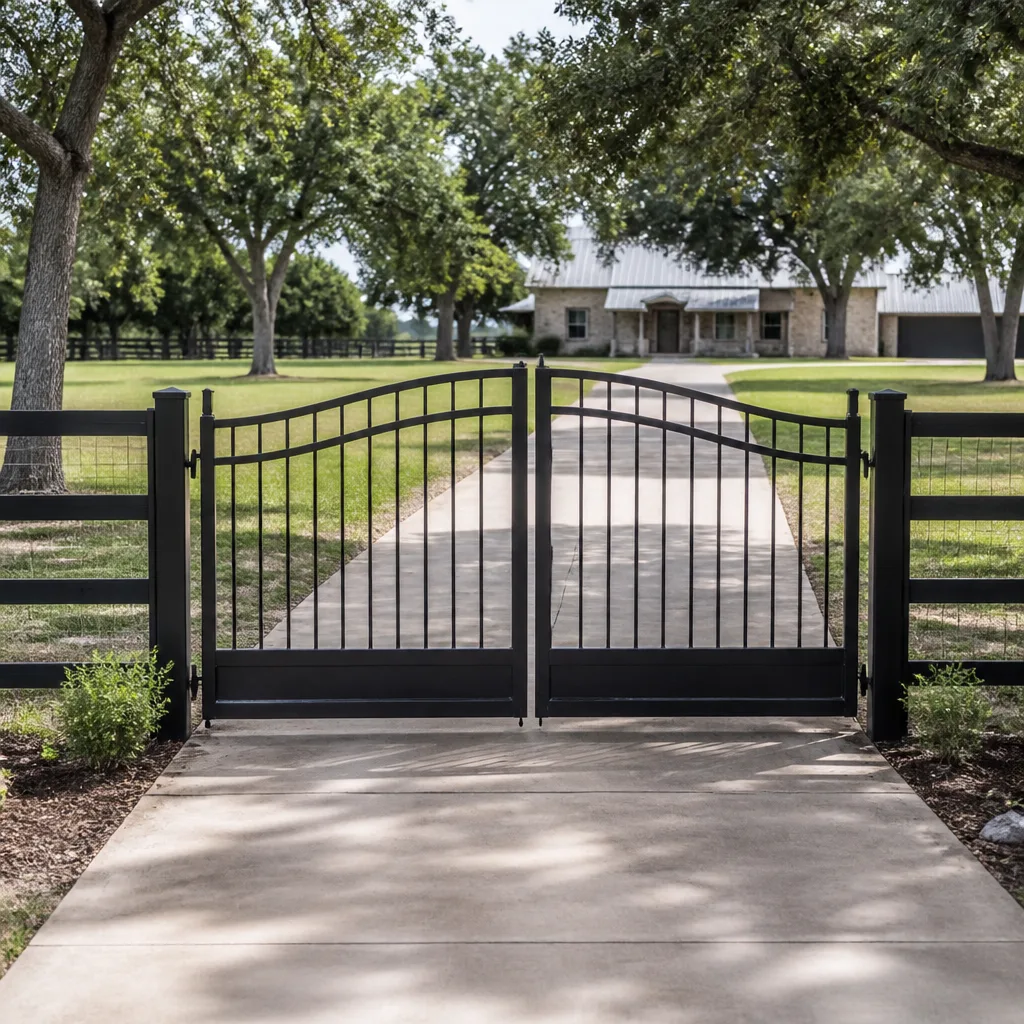 Farm & ranch
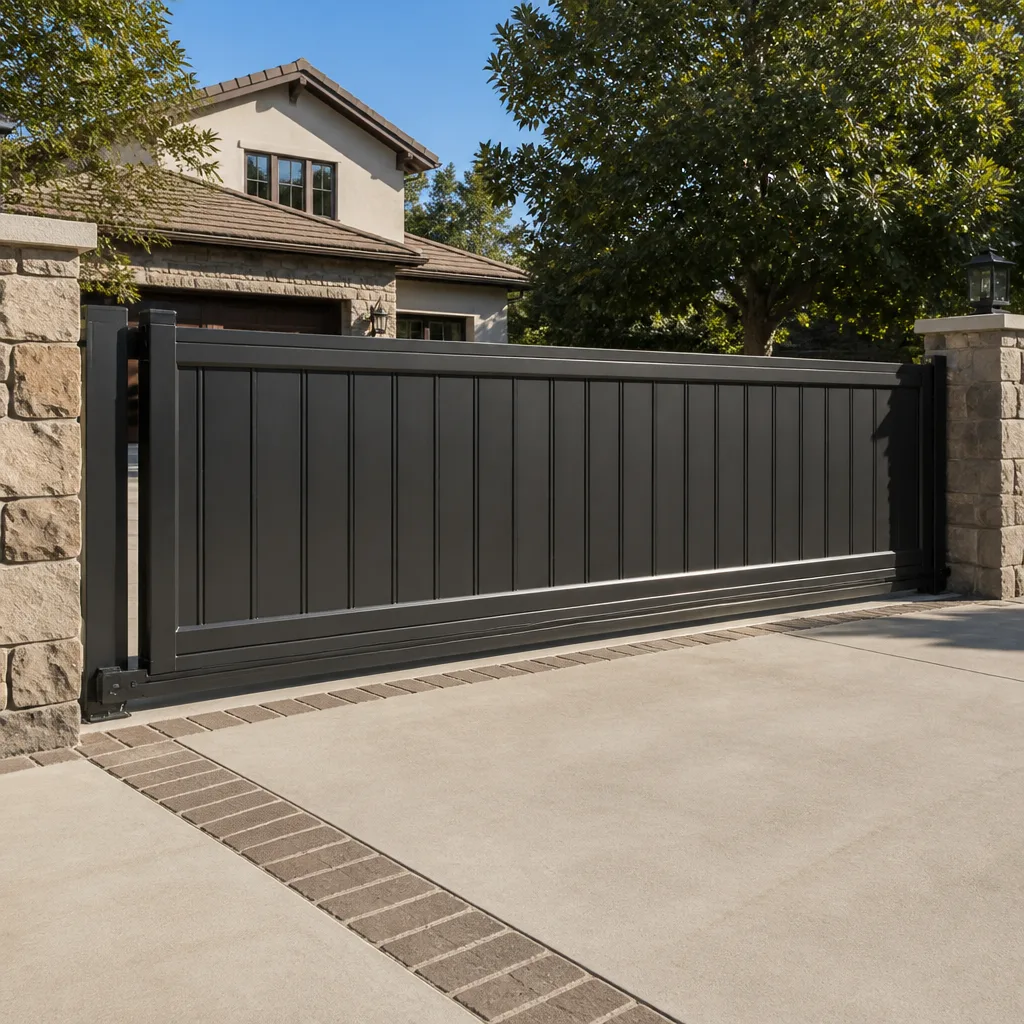 Sliding driveway gates
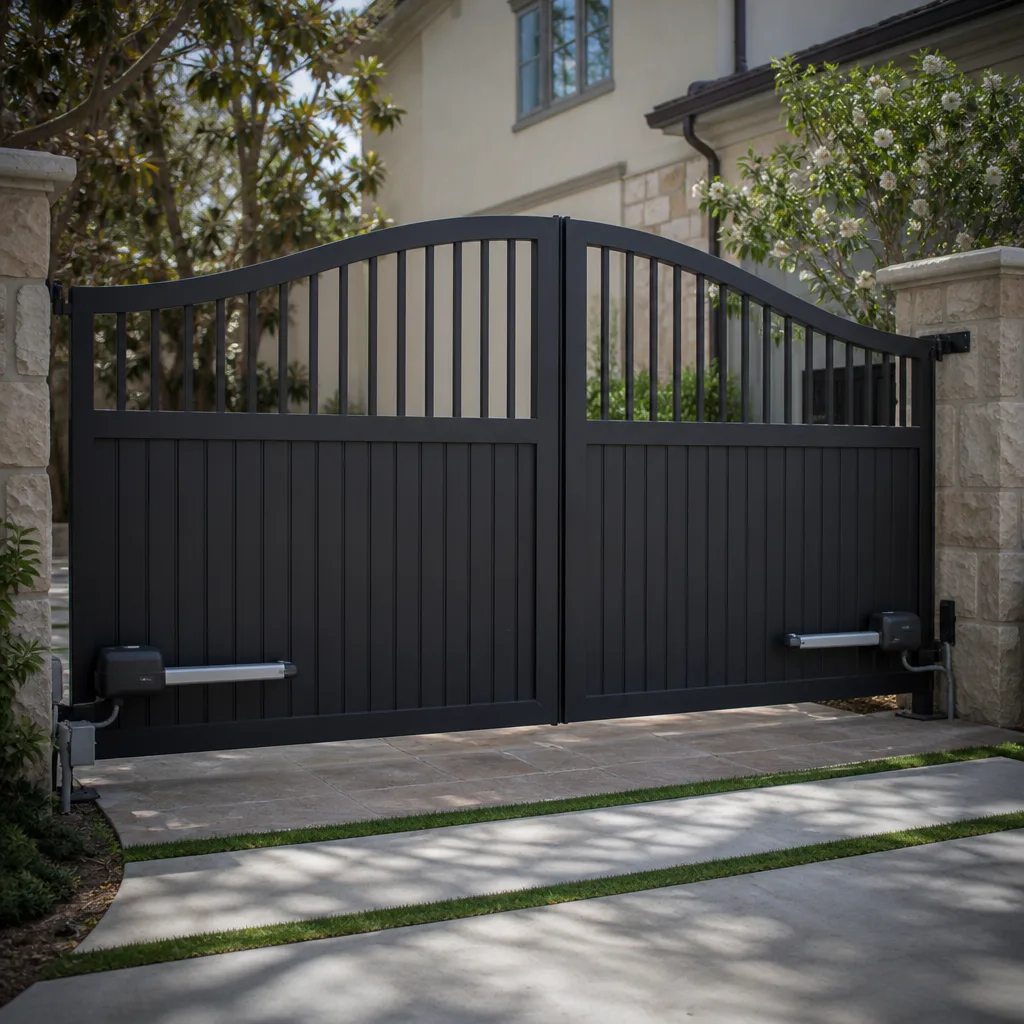 LiftMaster operators
Free on-site gate assessment - hinges, posts, and your LiftMaster or Nice gate operator checked before anything is quoted
The assessment is free and the quote is the invoice.
Get your free estimateGate Repair Troubleshooting in Arleta: Common Problems and How to Fix Them
A gate that reverses before it fully opens is not malfunctioning. It is doing exactly what its obstruction sensors told it to do. When a homeowner in Arleta sees the gate start to swing, then stop and reverse, the natural instinct is to assume the motor failed. The motor is usually fine. The sensors, the limit switches, or the force settings are the actual culprit, and replacing a motor for a sensor issue is a $600 mistake built on a five-minute diagnosis. This guide walks through the five mechanical and electrical root causes behind most gate failures, and it maps the specific conditions in Arleta, from summer heat to sloped driveways, to the failures they most commonly cause.
Styles & brands we work with
- Wrought iron
- Wood & steel frame
- Farm & ranch
- Sliding driveway gates
- LiftMaster operators
Quick Answer
Most gate failures fall into one of five categories: power delivery problems, obstruction sensor faults, limit switch wear, mechanical binding, or control board issues. Diagnosing which subsystem is responsible determines whether you need a $12 part or a technician on-site. Many Arleta gate problems can be identified with basic observation, but anything involving the motor, wiring, or control board should be handled by a professional who knows your specific brand.
Table of Contents
- Reverse-Before-Open: Obstruction Sensor and Force Settings
- No Movement at All: Power Delivery and Fuses
- Grinding, Squealing, or Metal-on-Metal Noise
- Partial Travel: The Gate Opens Halfway and Stops
- Remote-Only Failure: Gate Works from Keypad but Not the Remote
- How Arleta’s Summer Heat Causes Thermal Cutout Trips
- Why Driveway Slope Affects Swing Gate Arm Pressure
- What You Can Safely Check Yourself vs. When to Cut Power
- Common Mistakes to Avoid
- When to Call a Professional
- Frequently Asked Questions
- The Bottom Line
Reverse-Before-Open: Obstruction Sensor and Force Settings
This is the most commonly misdiagnosed gate symptom we see, and the one most likely to result in an unnecessary motor replacement. A gate that starts to open, travels a few inches or a few feet, then stops and reverses, is almost always responding to a sensor input or a force threshold. The operator’s control board interprets the resistance as an obstruction and reverses to prevent damage or injury. That reversal is a safety feature working correctly, not a motor failing.
Start by looking at the photo eye sensors, also called safety beams, mounted near the gate’s path. If one has been bumped out of alignment, has dirt on its lens, or has a leaf partially blocking the beam, the board reads that as an obstruction. Clean the lenses and check that both sensors are pointed at each other. If the gate still reverses, check the force settings on the operator. In Arleta, where many driveways have a noticeable grade, swing gates encounter more resistance on the uphill portion of travel. If the force threshold is set too low, the gate reverses before it can push through the grade.
Another culprit specific to swing arm operators is the articulation point. The arm connects the operator to the gate leaf. If that pivot has dried grease or has been damaged, the arm binds at a specific point in the arc, spiking resistance and triggering the reversal. This is a mechanical fix, not an electrical one, and it is easy to confuse with a failing capacitor or motor. We work on Linear, Viking, Ghost Controls, and DoorKing systems regularly, and the reversal symptom presents the same way across all of them: the board is protecting the gate from resistance it cannot see.
No Movement at All: Power Delivery and Fuses
A gate that does nothing when you press the remote or the keypad, with no hum, no click, and no attempt to move, points first to power delivery. The motor is not being told to run, or it is not receiving voltage. The most common single cause is a tripped GFCI outlet or a tripped breaker on the circuit that feeds the operator. Check the outlet the operator is plugged into. Many Arleta homes have the gate operator on an exterior GFCI circuit shared with landscape lighting or pool equipment, and a trip on that circuit kills the gate silently.
After confirming the outlet has power, look at the internal fuse on the control board. This is the difference between a $3 fix and a $200-plus board replacement, and it is the most common place a homeowner gets talked into spending money they do not need to spend. Most residential operators, including Mighty Mule and Ghost Controls units, have a blade fuse or glass fuse on the board itself. If that fuse is blown, the board appears dead. No lights, no response. Replacing the fuse restores the board. If the new fuse blows immediately, that indicates a short in the wiring or a failed capacitor, and that is the point where a professional diagnosis is warranted.
Power delivery failures can also be intermittent. A loose terminal connection at the board or inside a junction box can cause the gate to work one day and not the next. In Arleta’s summer heat, thermal expansion and contraction of connections is a real factor, and a connection that was marginal in June can fail entirely in August. This symptom pattern, works sometimes then dead, is almost always a connection issue rather than a failed motor. The motor either runs or it does not. Intermittency points to wiring, fuses, or the control board.
Grinding, Squealing, or Metal-on-Metal Noise
Noise is one of the most useful diagnostic signals a gate gives you. A grinding noise, especially one that has gotten louder over weeks or months, indicates mechanical wear rather than an electrical fault. On slide gates, the most common source is the track rollers. When a roller bearing wears out, the wheel no longer turns freely and instead drags against the track. The gate still moves, but every cycle grinds away a little more metal. Replacing a $40 roller is straightforward. Ignoring it until the wheel seizes turns a roller replacement into a track replacement, and that is a much bigger job.
On swing gates, a grinding or creaking noise from the hinge post usually means the hinge bearings are dry or worn. Greasing the hinges is a legitimate homeowner maintenance task, and it often quiets the gate immediately. If the noise persists after lubrication, the hinge pin itself may be worn, and the gate leaf will start to sag. A sagging gate puts uneven pressure on the operator and accelerates wear on the arm and the limit switches. We see this pattern often in Arleta, where summer heat dries out grease faster than in coastal cities. The heat does not cause the wear directly, but it shortens the service interval on lubricated parts.
If the grinding noise is coming from inside the operator housing rather than the gate itself, that is a different problem. Gear-driven operators, especially on older Viking and DoorKing units, use a plastic or composite gear designed to sacrifice itself rather than damage the motor. When that gear strips, you hear a grinding sound that is the motor turning against broken teeth. This is a repair, not a maintenance item, and running the operator in that condition can damage the motor.
Partial Travel: The Gate Opens Halfway and Stops
A gate that reliably travels partway and then stops, without reversing, points to the limit switches. Limit switches tell the control board where the gate is in its travel. When the gate reaches the open or closed position, the limit switch trips and tells the board to stop sending power to the motor. If a limit switch fails or drifts out of adjustment, the board thinks the gate has reached its limit early, and it cuts power mid-travel.
This is a different symptom from the reversal described earlier. A reversing gate moves backward. A partial-travel gate just stops, as if someone pressed the stop button. The distinction matters because the subsystems are different. Reversal points to force settings and obstruction sensors. Partial travel points to limit switches or the mechanical linkage that controls them.
On many operators, the limit switches are physical micro-switches mounted on a rail or a cam inside the operator housing. Vibration from daily cycles can loosen their mounting screws, and over time the switch drifts out of position. Re-tightening and re-adjusting the limit switch should be done with the operator unplugged, and it requires matching the stop point to the gate’s physical travel. Get it wrong and the gate runs past its stop point, bending the arm or damaging the operator. This is one of the repairs where the diagnosis is straightforward but the fix has real consequences if done incorrectly.
Arleta’s hillside properties have a specific version of this problem. On a sloped driveway, the gate encounters more resistance in one direction than the other. The operator pushes harder going uphill and coasts going downhill. That uneven load causes premature wear on the limit switch on the uphill side, because the operator’s force spike triggers the switch with more violence. We see uphill-side limit switch failures disproportionately on Arleta properties with a noticeable grade.
Remote-Only Failure: Gate Works from Keypad but Not the Remote
This symptom set is one of the easiest to diagnose because it isolates the problem to the radio receiver or the remote itself. If the gate opens from the keypad, the control board is receiving commands and the motor is working. The failure is in the wireless link. That narrows the fix to the remote, the receiver, or interference.
Start with the remote battery. It sounds obvious, but a weak battery produces a weak signal, and the gate may work only when you are standing next to it. Replace the battery before doing anything else. If the remote still does not work, check whether a second remote works. If one remote works and another does not, the failed remote needs to be replaced or reprogrammed. If no remotes work but the keypad does, the receiver antenna may be damaged or the receiver board may have failed. On many operators, the receiver is a separate small board that plugs into the main control board. Replacing the receiver is usually cheaper than replacing the main board.
Interference is more common than most people expect. Arleta’s mix of residential neighborhoods and commercial corridors means there are a lot of radio signals in the air. Newer LED lighting, some garage door openers, and even certain security cameras have been known to swamp the 315MHz or 390MHz frequencies that many gate remotes use. If the remote worked reliably last week and stopped suddenly, ask what changed on the property. A new LED fixture near the operator is a real suspect. Ghost Controls and Linear both have remote systems that are generally reliable, but no remote is immune to environmental interference.
How Arleta’s Summer Heat Causes Thermal Cutout Trips
Arleta routinely sees summer temperatures above 100°F, and that heat affects gate operators in specific ways. One of the most confusing symptoms for a homeowner is a gate that works fine in the morning, stops working in the afternoon, and works again after the sun goes down. That pattern is almost never a failing motor. It is a thermal cutout trip.
Most gate operators have a thermal protection circuit built into the motor or the control board. When the internal temperature exceeds a safe threshold, the board shuts the motor down to prevent damage. The operator is not broken. It is doing what it was designed to do. The problem is that Arleta’s summer heat, combined with the heat generated by the motor itself during operation, pushes the internal temperature past the threshold. The operator appears dead, the homeowner calls for repair, and by the time anyone arrives the gate has cooled down and works again.
There are a few ways to mitigate this. The operator housing should be shaded if possible, or at least painted a light color to reflect rather than absorb heat. Ventilation around the operator matters more than most people realize. An operator mounted in a tight metal enclosure with no airflow will trip its thermal protection far earlier than one with adequate ventilation. If the gate has been worked hard, with many cycles in a short period, that also raises the internal temperature. Arleta’s heat does not create a new failure mode, but it converts marginal conditions into tripped limits.
If your gate consistently dies in the afternoon heat and returns at night, the fix is usually ventilation and shading rather than a new motor. A professional can test the thermal cutout circuit and tell you whether the trip is happening at the correct temperature or prematurely. A premature trip can indicate a failing component on the board, and that is a different repair. For more on how we approach electric gate repair, our diagnostic process isolates heat-related trips from genuine electrical failures.
Why Driveway Slope Affects Swing Gate Arm Pressure
Arleta’s housing stock includes a significant number of hillside and sloped properties. A gate on a driveway with grade has different mechanical stresses than a gate on a flat lot, and those stresses show up in specific wear patterns. Understanding those patterns helps you spot problems before they turn into breakdowns.
The key issue is that the operator has to work harder in one direction of travel. When a swing gate opens uphill, the arm is pushing against gravity. When it closes downhill, the load is lighter. That asymmetry means the force settings on the operator are a compromise. Set them high enough to push the gate uphill, and the downhill travel has excess momentum that stresses the hinge and the arm. Set them for smooth downhill travel, and the gate may stall on the uphill side. Most operators handle this with a force threshold that allows brief spikes in resistance, but over time the uphill-side limit switch absorbs more impact than the downhill-side switch.
On a flat driveway, limit switches wear evenly. On a sloped driveway, the uphill-side switch fails first. The symptom is a gate that travels fine until it reaches a specific point on the uphill arc, then stops or reverses. The gate has not failed. One component has worn out, and replacing just that component restores operation. The important lesson is that a sloped driveway changes the maintenance calculus. Parts that would last five years on a flat lot may last three on a hillside, and the owner of a sloped property should expect to replace limit switches and articulation joints more frequently than a neighbor on a flat street.
What You Can Safely Check Yourself vs. When to Cut Power
The line between what a homeowner can safely check and what requires a professional comes down to one question: does the diagnosis require contact with the electrical system, the moving gate, or the operator’s internal components? If the answer is yes, cut power and call someone who knows the equipment. If the answer is no, the homeowner can narrow the problem without risking injury.
Safe for a homeowner to check:
- Remote battery health. Replace the battery and test. No tools, no risk.
- Photo eye alignment. Look for dirt, debris, or a misaligned sensor. Clean the lens. Adjust the sensor bracket if it has been bumped.
- Visible obstruction in the gate path. A branch, a rock, or a child’s toy in the gate’s travel will trigger reversal or stop the gate. Remove it and test again.
- Breaker or GFCI trip. Check the circuit that feeds the operator. Reset it once. If it trips again, stop and call a professional.
- Greasing hinges. A homeowner can grease swing gate hinges with a spray lubricant. This is routine maintenance, not a repair.
Requires a professional with power cut first:
- Opening the operator housing. The housing contains the motor, the control board, and the capacitor. Capacitors store voltage even after the unit is unplugged. This is not a homeowner task.
- Adjusting limit switches. The adjustment determines where the gate stops. An incorrect setting lets the gate travel past its stop point, damaging the arm, the hinge, or anything in the path.
- Replacing a control board. The board is the brain of the system. A wrong wire connection turns a $200 board replacement into a $600 repair.
- Any work involving the operator’s wiring or the power supply. A loose neutral or a frayed wire can energize the gate or the housing. This is electrician-level work with gate-specific knowledge layered on top.
The safety issue with gates is different from garage doors. A gate has no torsion spring, so the catastrophic spring failure that makes garage door repair dangerous does not exist here. But an electric gate has two other risks: the weight of the moving gate itself, which can crush or pin a person, and the electrical components inside the operator, which can shock or start the gate unexpectedly. When in doubt, cut power at the breaker and get a Gate Repair Arleta technician on the phone. We work on your brand, and we would rather talk you through a safe diagnosis than have you open an operator housing and guess.
Common Mistakes to Avoid
- Replacing the motor before checking the fuse. A blown internal fuse makes the entire operator appear dead. The fuse costs a few dollars. The motor costs hundreds. Check the fuse first.
- Assuming the gate is broken when it reverses before opening. Reversal is usually a sensor or force setting issue, not a motor failure. Chasing the wrong fix wastes time and money.
- Adjusting force settings without understanding the driveway grade. On a sloped Arleta driveway, setting the force too high on the downhill side causes slamming and hinge wear. Setting it too low causes uphill stalls. The correct setting is a compromise, not a maximum.
- Greasing a grinding slide gate roller and calling it fixed. A grinding roller means a failed bearing, not dry metal. Grease quiets it temporarily, but the roller keeps wearing the track. Replace the roller.
- Running the gate when the limit switch is failing. If the gate stops early or runs past its stop point, continuing to use it damages the arm, the hinges, and the operator. Stop using the gate and get the switch adjusted or replaced.
- Ignoring afternoon shutdowns in summer. A gate that dies in the heat and works at night is telling you its thermal protection is tripping. Repeated trips shorten component life. Address the ventilation now, not in August.
- Calling a generalist for a brand-specific problem. A handyman who does not know the difference between a DoorKing and a Ghost Controls board is going to replace parts until something works. That is the most expensive repair method there is.
When to Call a Professional
There is a point in every troubleshooting sequence where continued effort stops saving money and starts costing it. Opening the operator housing is that point for most people. The capacitor inside holds voltage even after the unit is unplugged, and the wrong adjustment to a limit switch or a force setting can damage the gate, the operator, or a person. If the symptom involves electrical supply, wiring, internal board components, or anything that requires the housing to be opened, call someone who does this every day. If the gate reverses, grinds, stops mid-travel, or trips in the heat after you have checked the visible items, the next step is a professional diagnosis. Gate Repair Arleta offers gate repair with free estimates in Arleta, and we diagnose the system rather than swapping parts at random. Call (855) 473-3106. We answer 24/7. Fast dispatch from 7am to 7pm, Sunday through Friday.
Frequently Asked Questions
A gate that reverses before fully opening is almost always responding to an obstruction sensor or a force threshold setting. The control board reverses the gate to prevent damage or injury, which means the safety system is working, not failing. Check the photo eye sensors for misalignment or dirt, then check the force setting if your Arleta driveway has a slope.
This is a classic thermal cutout trip. The operator’s motor or control board reaches its thermal protection threshold during the hottest part of the day, especially when Arleta temperatures exceed 100°F combined with the motor’s own operating heat, and the board shuts down to prevent damage. Once the operator cools down, it works again. Improving ventilation and shading around the operator housing is the usual fix.
Gate repair costs vary by the subsystem involved. A replacement fuse costs a few dollars, a track roller or photo eye sensor typically runs $40 to $80 in parts, and a control board replacement can run $200 or more before labor. The written estimate sets the final price, and the price is quoted and agreed before any work starts. Call (855) 473-3106 for an exact quote, estimates are free.
In most cases, yes. Same-day service is available for gate repairs in Arleta. Call (855) 473-3106 and describe the symptom. We answer 24/7. A call outside dispatch hours is booked into the next opening, Sunday through Friday, 7am to 7pm.
We work on nine major gate brands including LiftMaster, FAAC, BFT, Linear, Viking, Ghost Controls, DoorKing, Elite, and Mighty Mule. That covers lightweight residential openers and heavy-duty commercial operators, so the odds are high that we know your specific system.
You can safely check the remote battery, photo eye alignment, visible obstructions, the breaker or GFCI, and hinge lubrication. Anything that requires opening the operator housing, adjusting limit switches, or touching wiring should be done by a professional with the power cut at the breaker. The capacitor inside the operator holds voltage even after it is unplugged.
The Bottom Line
Gate failures are rarely mysteries. They are mechanical or electrical systems behaving predictably, and the symptom you see tells you which subsystem is involved. A gate that reverses before opening points to sensors and force settings. A gate that does nothing points to power delivery. A gate that stops mid-travel points to limit switches. A gate that grinds points to rollers, hinges, or gears. Learning to read the symptom saves money because it tells you whether you need a part or a technician. And when the symptom is inside the operator housing, call someone who speaks the language of your specific brand. We do. Call (855) 473-3106 for a free estimate. We answer 24/7. Fast dispatch from 7am to 7pm, Sunday through Friday.
Written by the team at Gate Repair Arleta, serving Arleta since 2018.
See the difference
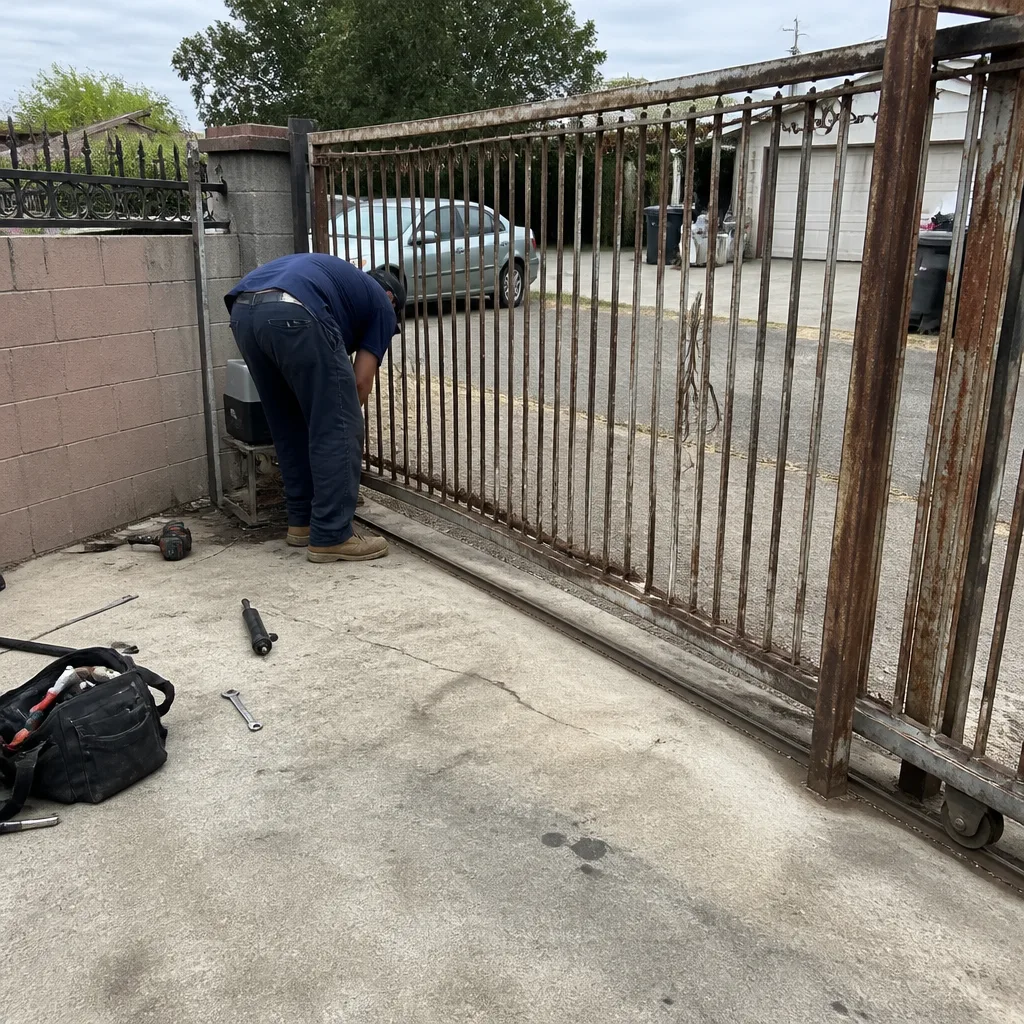 Before
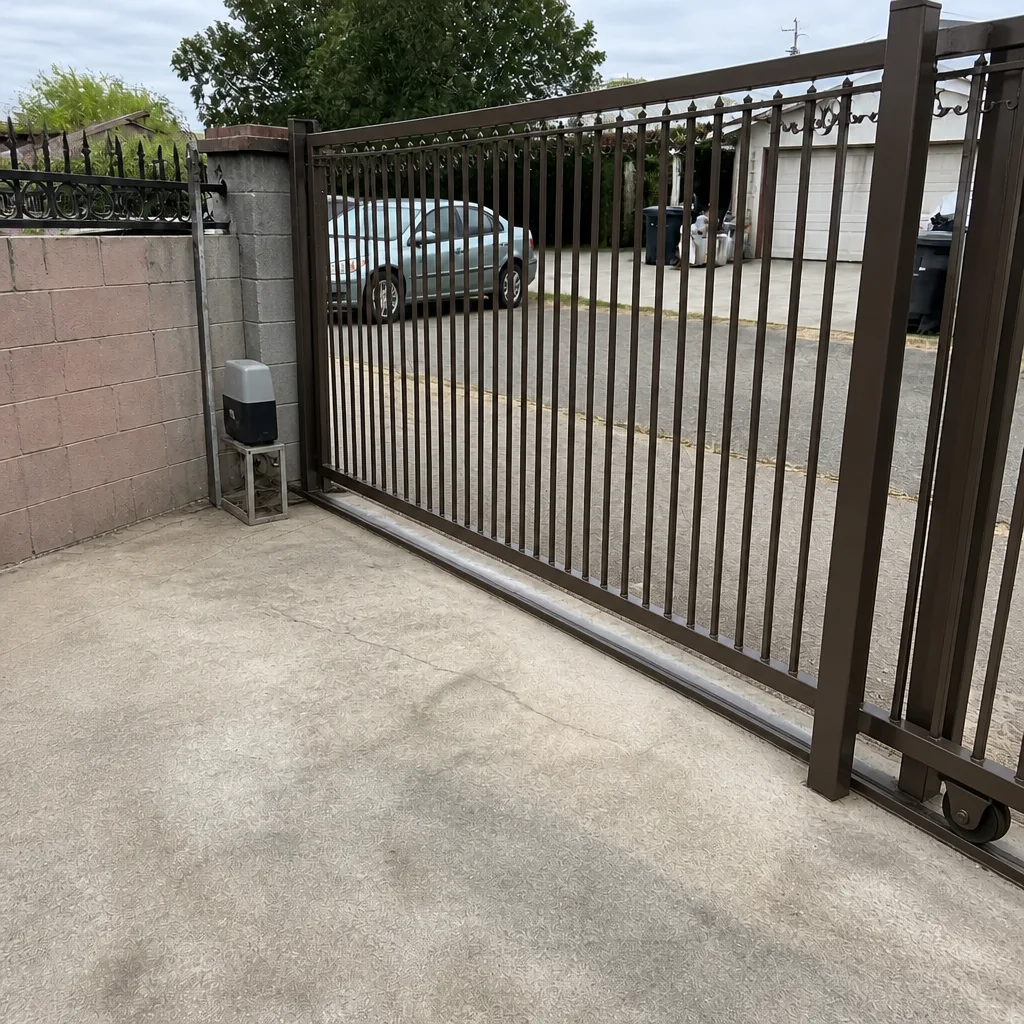 After
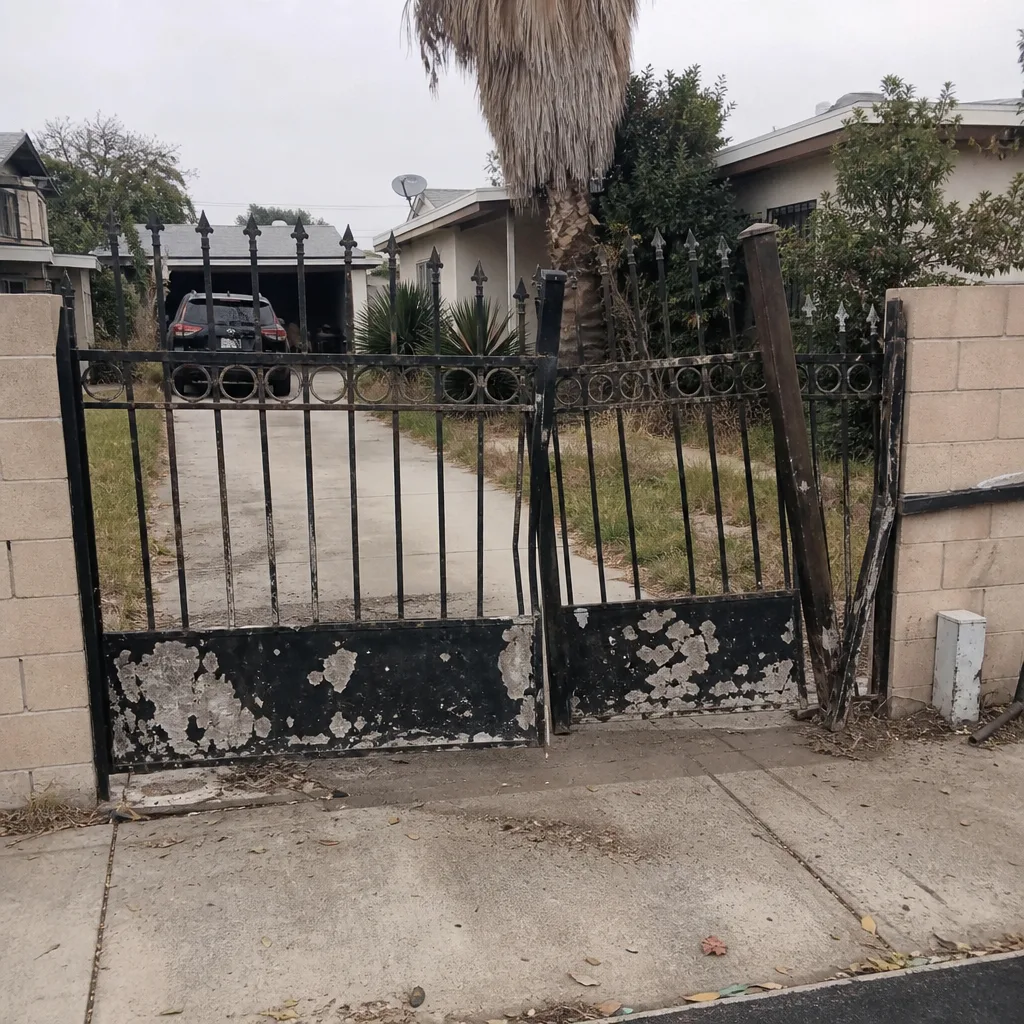 Before
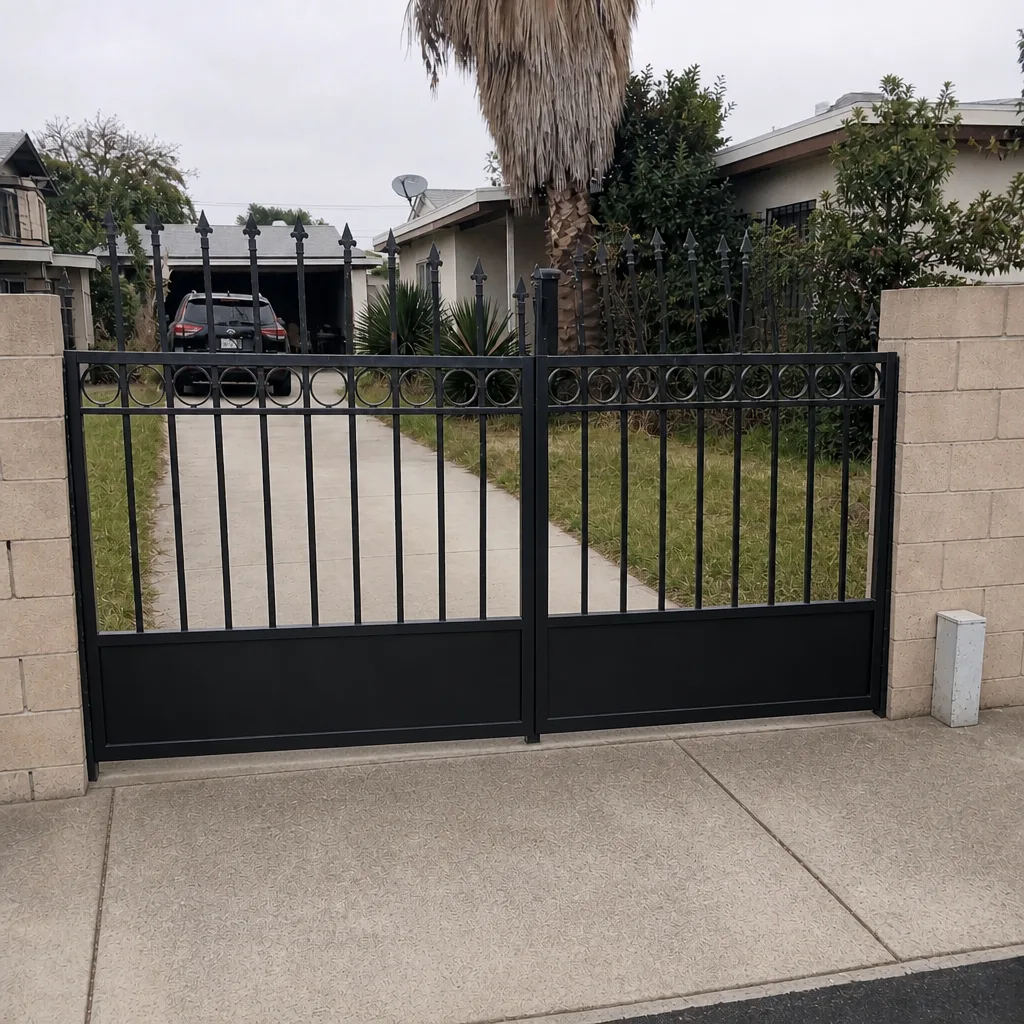 After
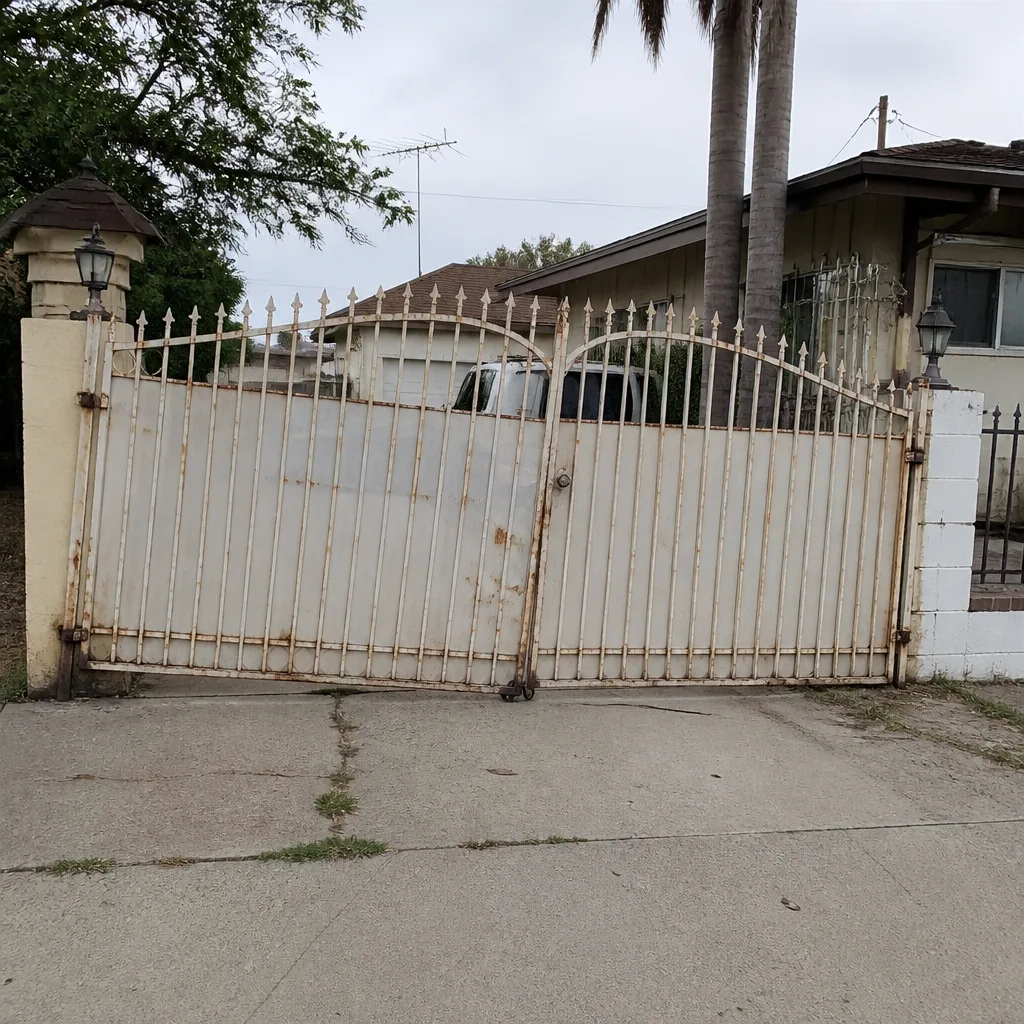 Before
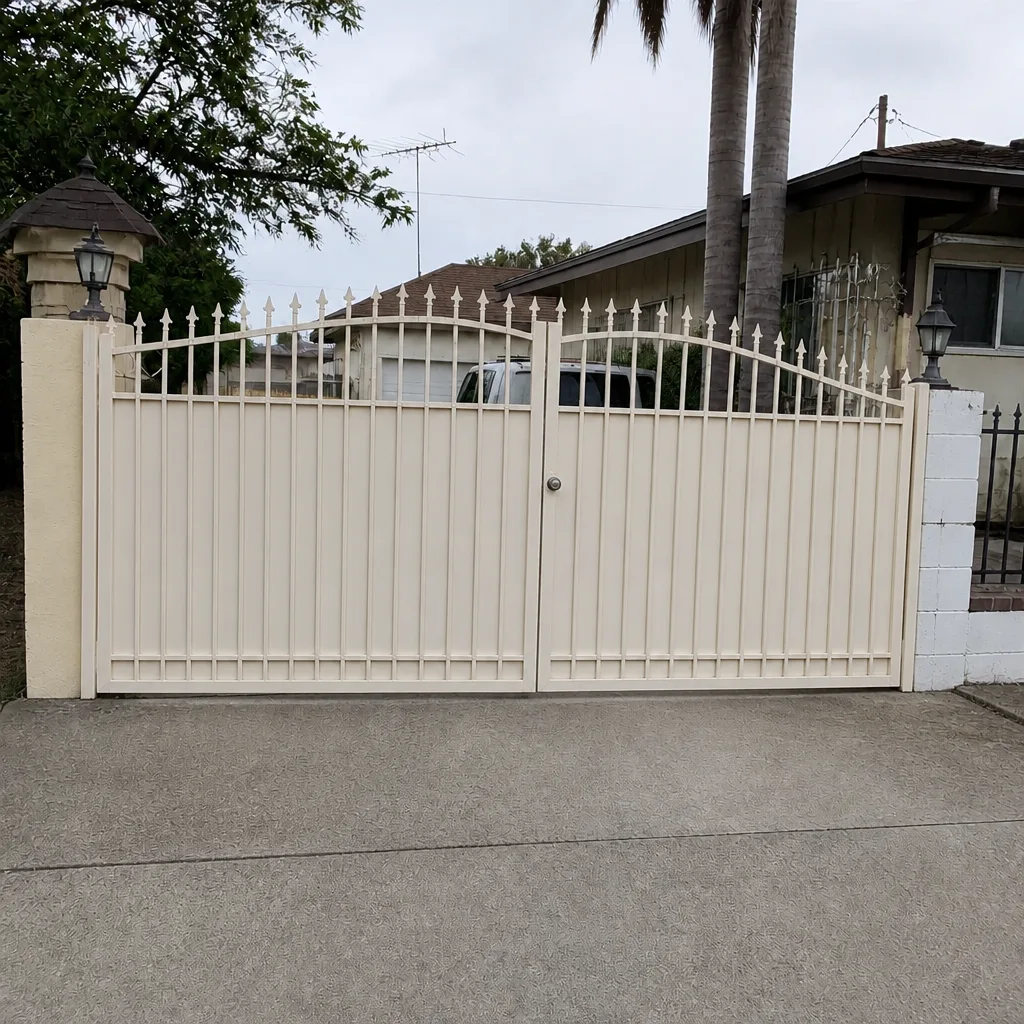 After