
Last updated November 5, 2026
 Wrought iron
 Wood & steel frame
 Farm & ranch
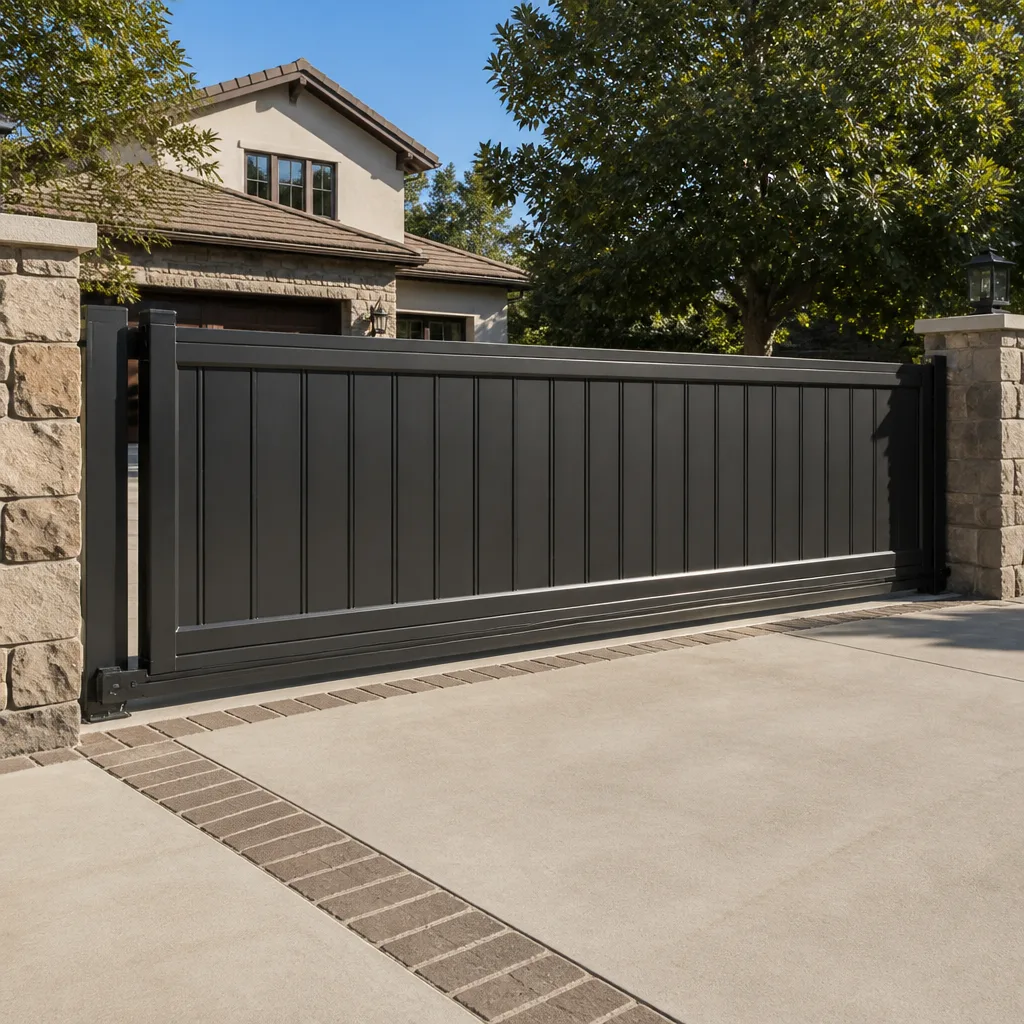 Sliding driveway gates
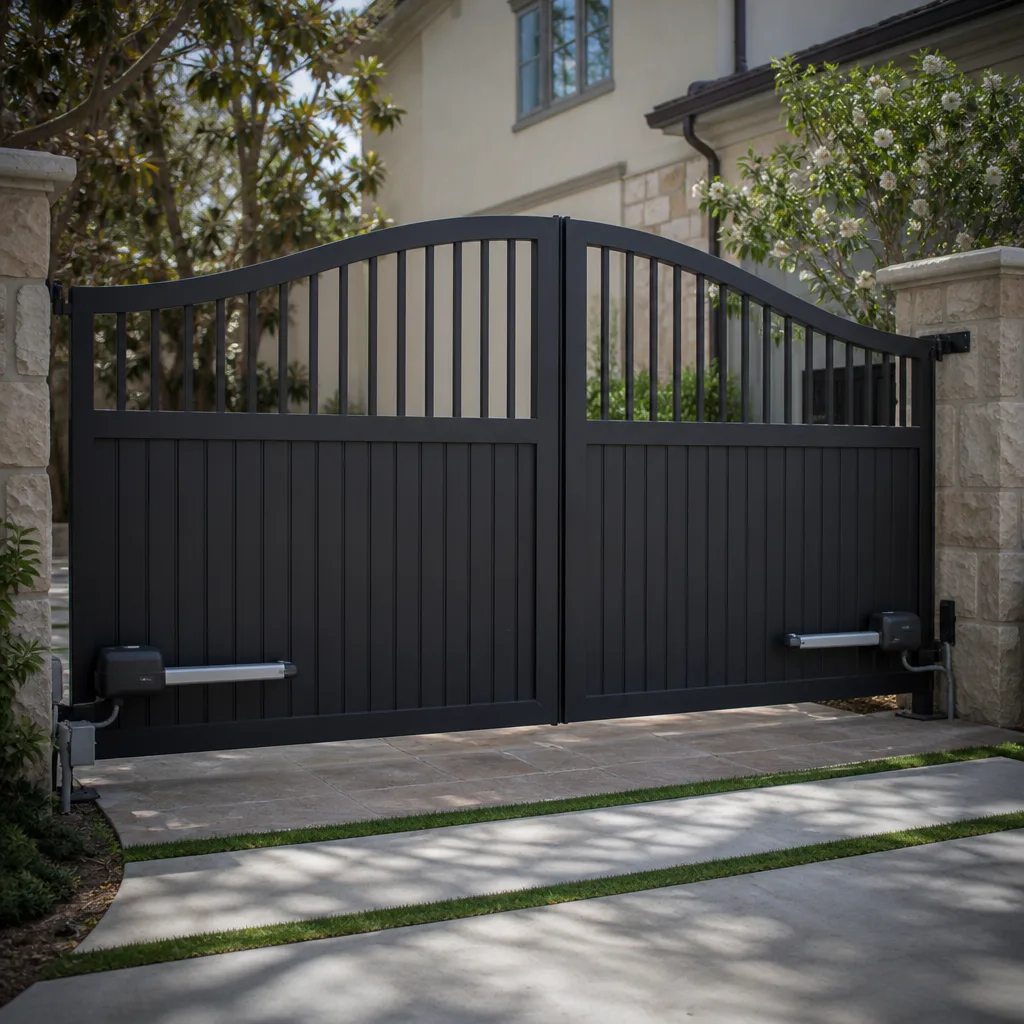 LiftMaster operators
Free on-site gate assessment - hinges, posts, and your LiftMaster or Nice gate operator checked before anything is quoted
The assessment is free and the quote is the invoice.
Get your free estimateDIY vs Professional Gate Repair: The Arleta Homeowner’s Decision Guide
The gate at the front of an Arleta property looks like a simple machine: a motor, a track or arm, a control box. That appearance is misleading. A modern automated gate combines mechanical components, low-voltage and line-voltage wiring, and safety sensors governed by specific standards. What looks like a ten-minute adjustment often crosses into territory where getting it wrong means a gate that can injure someone or a repair that damages a control board worth several hundred dollars. This guide draws the line between what a careful Arleta homeowner can realistically handle and where calling a specialist is the only defensible choice.
Styles & brands we work with
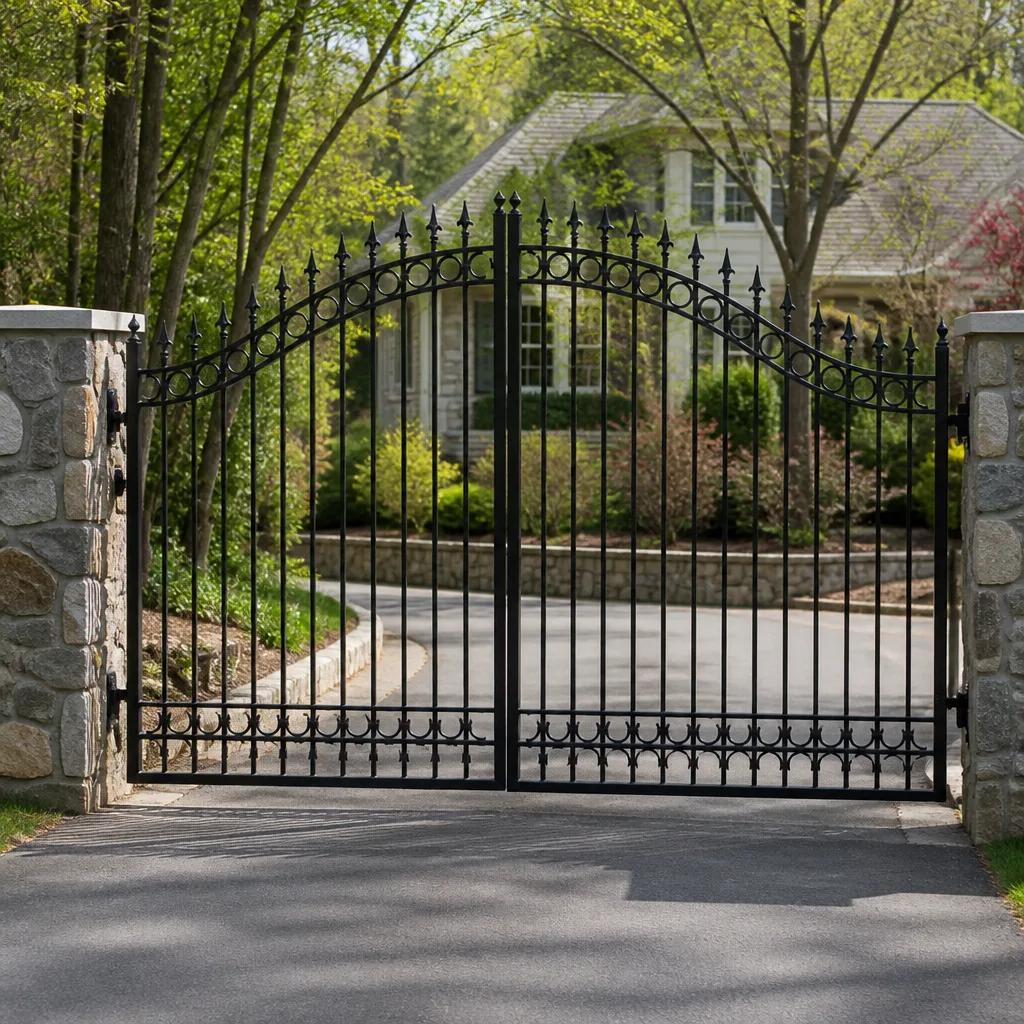
- Wrought iron
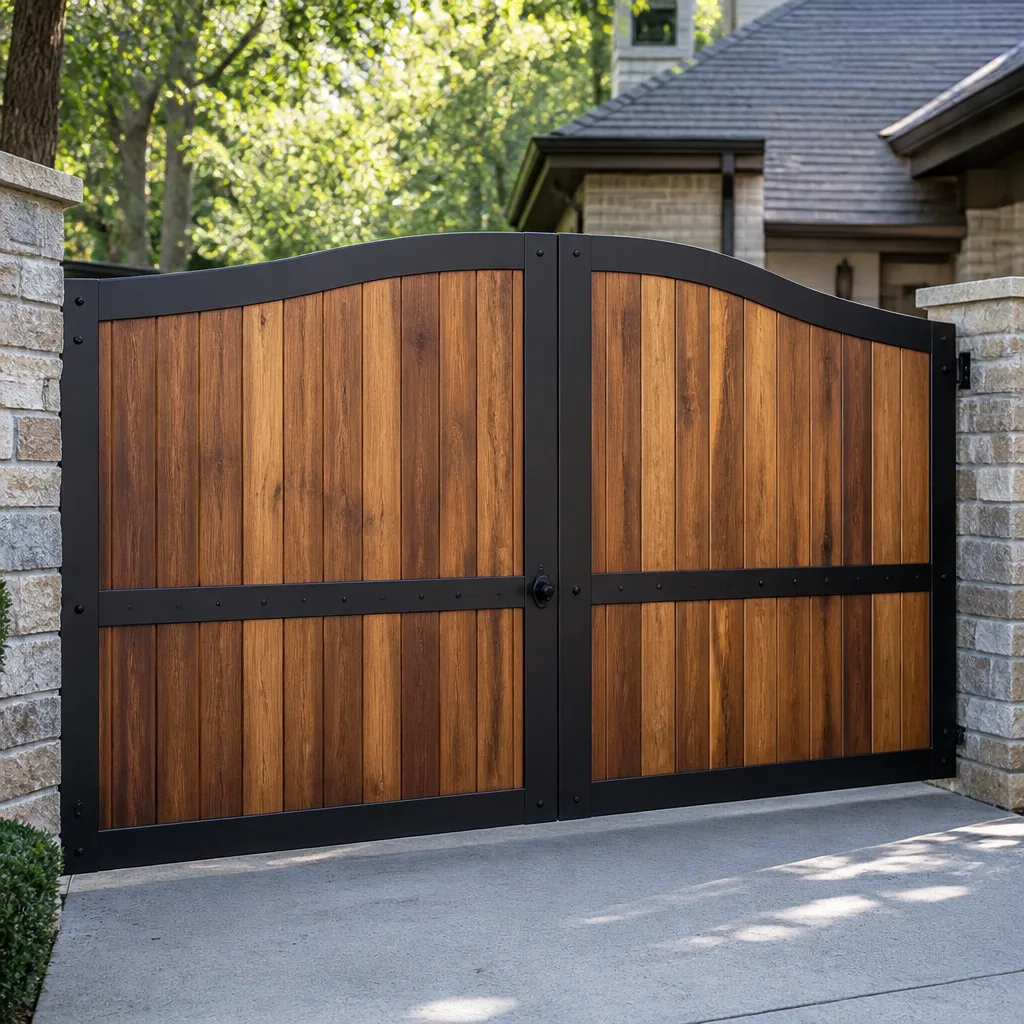
- Wood & steel frame
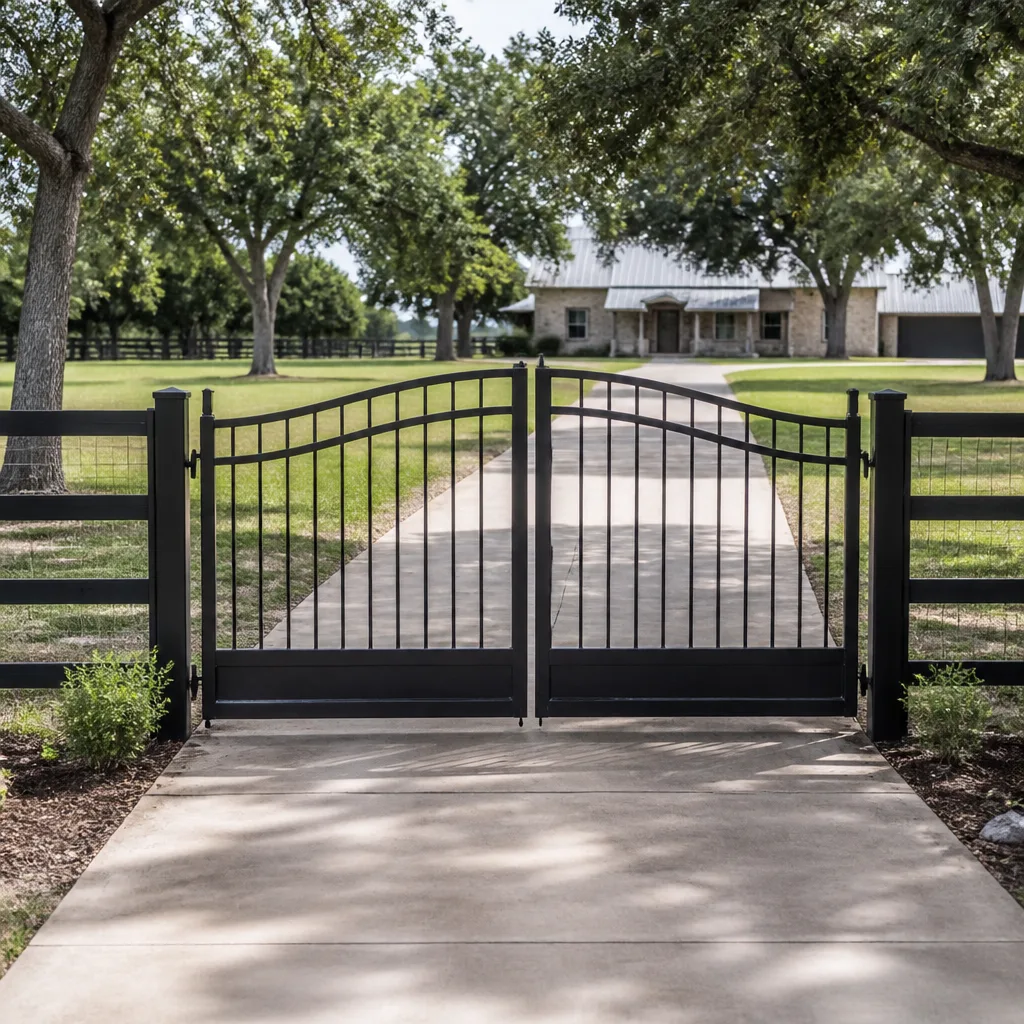
- Farm & ranch
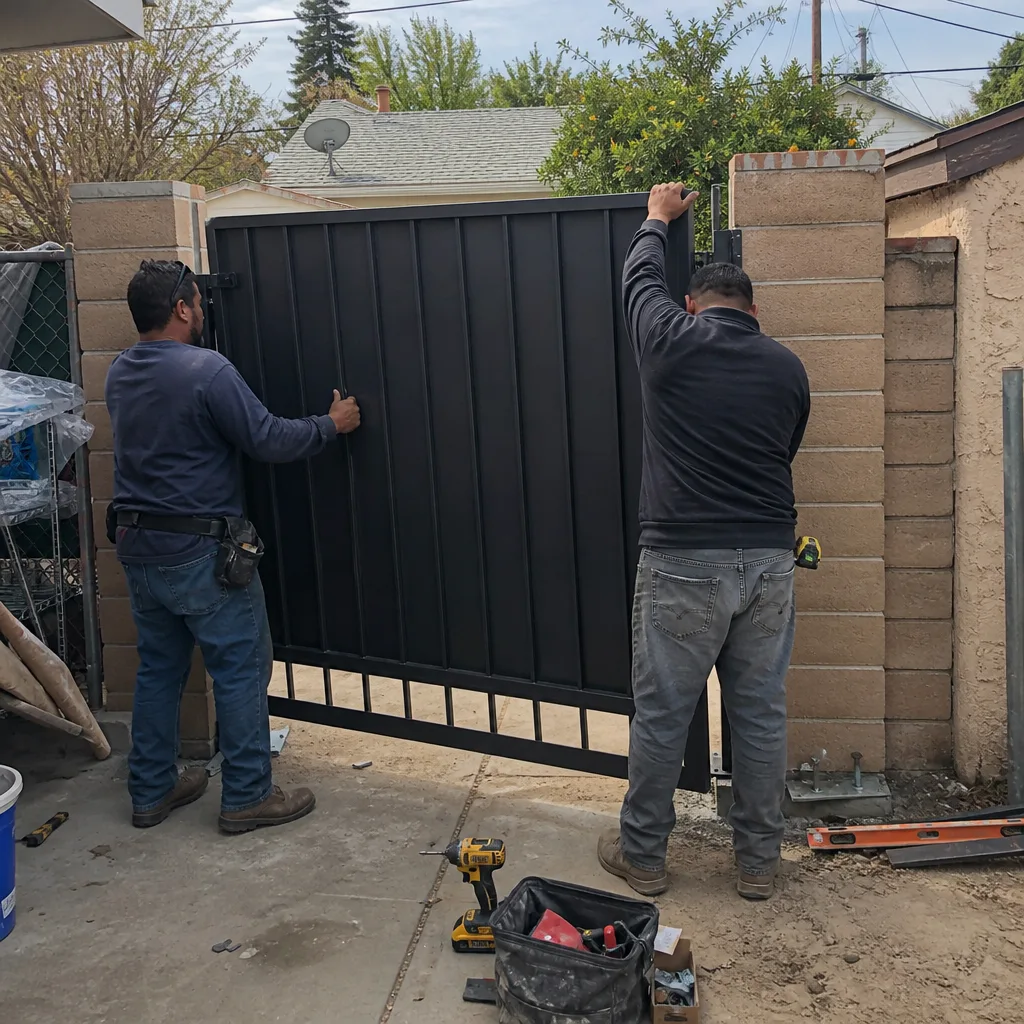
- Sliding driveway gates
- LiftMaster operators
Quick Answer
Simple, non-electrical maintenance such as cleaning tracks, lubricating hinges, tightening visible bolts, or syncing a remote is reasonable DIY work for most Arleta homeowners. Any repair involving the operator’s wiring, control board, limit switches, or safety sensors is a professional job because those components carry electrical, entrapment-protection, and warranty implications that a DIY fix can make worse. The deciding factor isn’t skill, it’s whether the task touches safety circuits or high-voltage wiring.
Table of Contents
- What You Can Safely Fix Yourself
- What Touches Safety Circuits and Why That Matters
- The Tools Distance: Why Some Repairs Stay Out of DIY Reach
- Warranty Risk: How a DIY Repair Can Void Coverage
- The Three-Question Framework Before You Start
- How Arleta Properties Shape Repair Choices
- The True Cost of a Botched Repair
- Common Mistakes to Avoid
- When to Call a Professional
- Frequently Asked Questions
- The Bottom Line
What You Can Safely Fix Yourself
There is a genuine, clearly defined set of gate tasks an Arleta homeowner can handle without special training. These are items that do not require opening the operator housing, touching wiring, or adjusting anything that affects how the gate detects an obstruction. The key is being honest about which side of that line a task sits on.
Maintenance and simple mechanical fixes that are reasonable DIY work include:
- Cleaning the track on a slide gate. Dirt, leaves, and small stones from Arleta’s dry, dusty stretches accumulate in the rail and create drag. Scooping or blowing out the track is safe and needed regularly.
- Lubricating hinges and pivot points on a swing gate. A dry hinge forces the operator to work harder. Use a spray lubricant designed for metal-on-metal contact. Do not use grease that collects grit.
- Tightening visible bolts and anchor nuts. Vibration from daily cycles loosens fasteners over time. A socket or wrench restores a firm mechanical connection. Do not overtighten, especially where a gate panel mounts to a post.
- Syncing or relearning a remote control. If a remote stops responding but the gate still works from the keypad or push-button, pairing a new remote is a straightforward process. Check the manufacturer’s quick reference; for example, gate repair guides from brands like LiftMaster and Mighty Mule explain the button sequence.
- Clearing vegetation and debris around photocells. The sensors near the bottom of the gate, usually a few inches off the ground, need a clear line of sight to each other. Arleta’s fast-growing weeds and wind-blown litter are a common cause of false readings.
None of these tasks involve electricity, entrapment protection, or the gate’s travel limits. They are maintenance, not repair, even if they restore function. That distinction matters because a maintenance task done wrong creates inconvenience. A repair task done wrong creates liability.
What makes these safe is also what makes them limited: you never open the control box, never touch a wire, and never adjust the gate’s travel or force settings. If a problem persists after cleaning and tightening, the cause is almost always electrical or structural. That is where DIY ends and professional electric gate repair begins.
What Touches Safety Circuits and Why That Matters
The boundary between DIY and professional gate work is not arbitrary. Automated gates are governed in the United States by UL 325, a safety standard that covers entrapment protection requirements. California properties, including homes and HOAs throughout Arleta, are expected to comply with this standard. A gate that does not reverse or stop when it meets resistance is not just inconvenient, it is a documented safety hazard.
Tasks that cross into UL 325 territory include:
- Adjusting or replacing limit switches. A limit switch tells the operator when the gate has fully opened or closed. Setting it wrong means the gate overtravels, slams into the stop, or fails to close tightly. More importantly, incorrect limit settings can disable the auto-reverse function, which is an entrapment protection failure, not a minor calibration issue.
- Adjusting force or torque settings. Operators have a sensitivity adjustment that determines how much resistance triggers reversal. Set it too high and the gate will push through an obstruction including a person or a vehicle. Set it too low and the gate reverses on normal friction, never completing a cycle.
- Wiring or rewiring photocells and edge sensors. These safety devices create an invisible beam or pressure-sensitive edge that tells the operator something is in the gate’s path. A loose wire or misaligned sensor can disable the whole safety system without any visible sign.
- Replacing a control board. The circuit board interprets every input: remote commands, keypad entries, sensor signals, and limit switch status. A miswired board can send full power to the motor at the wrong moment or bypass safety inputs entirely.
- Any work inside the operator housing. The housing contains line voltage, capacitors that hold a charge even after power is disconnected, and the mechanical drive components. Opening it without understanding what you are looking at is the single most common path to a damaged operator.
We have been called to Arleta homes where a homeowner attempted a limit switch adjustment, got the gate closing again, and unknowingly disabled the auto-reverse. The gate worked on the surface. Under the surface, it was a safety liability waiting for a child or a parked car to trigger it. That is the difference between fixing a symptom and diagnosing a system.
UL 325 compliance is not a paperwork exercise. It is the legal and practical standard that determines whether a gate is safe to operate. When a task affects that standard, the person doing the work needs to know not just how to make the gate move, but how to verify it stops when it should.
The Tools Distance: Why Some Repairs Stay Out of DIY Reach
Even a mechanically competent Arleta homeowner, someone who does their own car maintenance or builds furniture, faces a tools barrier on gate repairs that goes beyond owning a good socket set. The issue is not general ability. It is the specialized equipment required to diagnose and complete the job correctly.
Professional gate repair requires, for many tasks, the following equipment that most homeowners do not keep in the garage:
- A digital multimeter with low-voltage testing capability. Diagnosing whether a control board is sending the correct voltage to a sensor or motor requires reading millivolts accurately. Guessing at electrical issues is how boards get cooked.
- Manufacturer diagnostic tools or reset procedures. Brands like DoorKing, Elite, Mighty Mule, and LiftMaster each have distinct diagnostic sequences, error codes, and reset methods. A technician carries the knowledge of those sequences. A homeowner typically searches for a generic YouTube fix that does not match their specific operator.
- A torque wrench for structural connections. Gate hinges, posts, and operator mounts have specific torque values. Over-tightening embeds the fastener too deep and weakens the connection. Under-tightening lets the gate sag and strain the operator.
- A spare parts inventory or parts relationships. A control board, a limit switch assembly, or a replacement arm for a specific model is not available at the local hardware store. The right part has to be ordered from a distributor or sourced through a supplier who knows the brand. That delay, plus the risk of ordering the wrong version, is a hidden cost of DIY repair.
- Safety-rated jack stands or support blocks for cantilever and slide gates. A slide gate is heavy. Working under or beside one that is not properly supported is how broken bones and crushed hands happen.
The tool barrier is real, but it is not the main point. The main point is that professional repair, when done by a specialist who knows the specific operator, is a diagnosis-led process. The technician tests first, identifies the failed component, and replaces that component. The DIY process is often trial and error: replace a part, see if it works, replace another part, spend another weekend on it. Trial and error on gate electronics is expensive because every wrong guess can damage another component.
For a gate that is not moving at all, we typically find the problem in under an hour using a multimeter and manufacturer error codes. A homeowner without those tools is left replacing the most likely suspect, which is frequently not the actual failure. The Arleta homes we serve range from 1960s ranch-style properties with original steel gates to newer builds with modern automated systems. The older the gate, the more likely the wiring has been modified, spliced, or patched over the years. Reading that history correctly is a skill that comes from working on the equipment, not from a general understanding of how motors work.
Warranty Risk: How a DIY Repair Can Void Coverage
There is a specific, often overlooked cost to opening the operator housing yourself: the manufacturer’s warranty. Most gate operator brands, including DoorKing, Elite, Mighty Mule, and LiftMaster, state in their warranty documentation that damage caused by unauthorized repair or modification is not covered. The language is usually precise. It does not say DIY work voids the whole warranty. It says damage resulting from improper repair or unauthorized parts is excluded.
That distinction matters because gate failures are often cascading. A homeowner opens the control panel to replace a fuse, disturbs a wiring connection, shorts two terminals, and the board dies. The board was fine before the repair attempt. The manufacturer is within its rights to deny a warranty claim for that board because the failure resulted from unauthorized work.
The most common warranty-voiding DIY scenarios we encounter are:
- Wrong wire placement on a control board. The board has labeled terminals. Connecting a wire to the wrong terminal can send voltage where it should not go and destroy the board instantly.
- Using an aftermarket or incorrect transformer. The operator needs a specific voltage. A universal transformer from a hardware store might be close enough to power the board, but slightly wrong output can cause intermittent failures or component damage over weeks. The manufacturer will not cover damage from an unapproved power supply.
- Forcing a gate that is in bind. If the gate is hard to move because of a mechanical issue, and the homeowner increases force settings to compensate, the resulting motor or gearbox damage is considered misuse, not a defect.
- Water intrusion after opening the housing. The operator housing is sealed against rain and dust. Opening it and failing to reseat the gasket properly lets moisture in. Arleta’s dry climate reduces but does not eliminate this risk: irrigation overspray and the occasional heavy winter rain are enough to corrode an interior that was never designed to be wet.
Professional repair does not guarantee a warranty claim will be honored, but it creates a defensible position. A licensed technician with brand experience opens the housing, does the work using the correct parts, and reseals properly. The documentation of that work keeps the warranty intact for the components that were not at fault. That is worth real money when the failed part is a control board that costs more than the service call would have.
For homeowners weighing the cost of professional repair against the cost of a DIY attempt, the warranty question often tips the balance. Saving $300 on labor is a false economy if it voids coverage on $400 or $800 worth of components that could fail later. The Gate Repair Arleta team does not upsell this point because it is self-evident once it is explained: the warranty is an asset on a new or recently installed gate, and that asset is lost the moment an unqualified repair attempt goes wrong.
The Three-Question Framework Before You Start
There is a simple decision framework we have used, in our experience, to help Arleta homeowners evaluate whether a gate problem is a DIY task or a professional call. The framework has three questions. If the answer to any one of them is yes, the job should stop at the point of diagnosis and a specialist should take over.
- Does this task involve electricity, wiring, or the operator’s circuit board? If yes, stop. That is a professional electric gate repair task. The inside of an operator is not a place for trial and error.
- Does this task affect how the gate detects an obstruction, or how far it travels? If yes, stop. That is an entrapment-protection adjustment. Getting it wrong creates a safety liability, not just an inconvenience.
- If I attempt this and make it worse, can I afford the component I might destroy? A control board, a new operator, or a replacement gate panel are all several hundred dollars or more. If the risk extends to those parts, a professional estimate is the cheaper option even if the repair itself would have been simple.
Any task that passes all three questions, meaning it is mechanical only, does not touch safety features, and cannot easily destroy an expensive component, is fair DIY territory. That aligns with the list above: cleaning, lubricating, tightening, syncing a remote. Almost everything beyond that fails at least one question.
The framework also works for diagnosing the problem, not just fixing it. A homeowner who notices the gate is slow, or groaning, or hesitating can watch and listen without opening anything. Note when the problem happens, whether the gate reverses mid-travel, whether the remote works but the keypad does not, whether the gate opens but does not close. Those observations are useful information to give a technician. The diagnosis itself, the part that involves testing voltage and reading error codes, belongs to someone who does it professionally and carries the tools to do it safely.
How Arleta Properties Shape Repair Choices
Gate problems in Arleta are not identical to gate problems in other parts of Los Angeles. The local building stock, the climate, and the way properties are laid out all affect how gates fail and how they should be repaired.
Arleta’s housing predates the modern automated gate boom by decades. Many homes here were built in the mid-20th century, and the gates that stand in front of them are often retrofit installations. That means a gate that was originally a manual swing gate may have been automated years later, with wiring run along a wall or through conduits that have since been painted over or buried in landscaping. Repairing that kind of system means tracing wiring that may run unpredictably, and the fix is sometimes to correct a connection that was not done to a modern standard in the first place.
The climate shapes maintenance in specific ways. Arleta gets hot, dry summers and mild winters. There are no freeze-thaw cycles to crack concrete or heave posts, and hail is uncommon here. The bigger issues are dust, wind, and occasional heavy downpours in the wetter months. Dust from the valley settles into tracks, hinge points, and operator cooling vents. High winds push against wide gate panels, straining hinges and the operator’s drive mechanism. And when rain does come, drainage matters: a gate post sitting in saturated soil can shift, taking the gate out of alignment. None of these are dramatic, single-event problems. They are gradual wear-and-tear factors that make regular maintenance the difference between a gate that lasts fifteen years and one that needs major work in five.
There is also an HOA consideration in parts of Arleta and the surrounding area. Multi-unit properties and communities with a shared entry gate often have maintenance standards that specify who is responsible for the gate and what condition it must be in. A homeowner dealing with a private gate makes their own call. A property manager dealing with a shared gate needs documentation, a compliant safety setup, and a professional repair record. That is a different conversation than the one a single-family homeowner has, and it almost always points to professional work.
None of these local factors changes the basic DIY-versus-pro rule, but they affect how urgently a problem should be addressed and how important proper installation and component quality are. A gate in a windy, dusty valley location that is used multiple times a day is a high-cycle, high-environment-stress machine. The margin for a sloppy repair is smaller.
The True Cost of a Botched Repair
The DIY-versus-professional question is usually framed as a labor cost comparison. The professional charges for time. The DIY route saves that labor charge. That framing assumes the repair succeeds. When it does not, the math changes fast.
Consider a gate that will not close. The homeowner opens the control box, sees a burnt smell, and assumes the control board is dead. A replacement board is ordered online for DoorKing, Elite, Mighty Mule, or LiftMaster, whichever brand is on the property, installed, and the gate still will not close. The actual problem was a bad limit switch or a misaligned photocell, but the board is now installed and the old board, which may have been fine, is discarded. The new board is not returnable because it has been installed. The homeowner has spent the cost of a new board, wasted a weekend, and the gate still does not work. That is a common scenario.
The less obvious cost is the cascade. A homemaker replaces a part without finding the root cause. The new part works for a few weeks, then fails because whatever destroyed the first component destroyed the second one too. Or the new part is slightly wrong, a Mighty Mule board version that is not compatible with a particular motor revision; it powers up, then behaves erratically and eventually fails. The homeowner has now spent more than an initial service call would have cost and has no working gate to show for it.
There is also a safety cost that does not show up on a receipt. A gate that works but no longer reverses properly because a force setting was adjusted too high is a hazard. The person who adjusted it may not know what they did. The gate appears fixed. The risk only becomes obvious if someone is struck, which is the worst possible way to discover an entrapment protection failure.
The real comparison is not labor versus no labor. It is the cost of a correct diagnosis, done once, with the right tools and parts, versus the cost of multiple incorrect diagnoses, wasted parts, lost time, and the lingering question of whether the gate is safe. In our experience, Arleta homeowners who attempt a complex electrical repair and then call us spend more, on average, than homeowners who call first. That is not a sales pitch. It is the simple observation that trial-and-error repair on electronic systems is nearly always more expensive than diagnosis.
Common Mistakes to Avoid
Every gate repair has its own failure modes, but a handful of mistakes come up repeatedly on Arleta properties. These are the errors that turn a small problem into a large one.
- Opening the operator housing to look for an obvious problem. Once the housing is open, there is live voltage and sensitive circuitry exposed. A homeowner who just wants to see what is wrong can accidentally touch the wrong thing and create a new problem. If the gate does not work, the diagnosis is done with tools, not by eye.
- Adjusting force settings to compensate for a stiff gate. A gate that has become hard to move has a mechanical problem: a worn hinge, a bad bearing, debris in the track. Crank up the force and the operator works harder, overheats, and fails early. The mechanical issue stays. The operator becomes the next casualty.
- Assuming all remote controls are interchangeable. Different brands and even different models within a brand use different frequencies and coding. A universal remote from a big-box store may not pair with a DoorKing or Elite operator. Buying a remote that is not compatible wastes money and time.
- Using the wrong lubricant. Grease is not a universal answer. Heavy grease on a slide gate track collects dust and grit, turning the track into a grinding paste that accelerates wear. Hinges need a penetrating or dry-film lubricant, not a thick axle grease.
- Ignoring a gate that is slightly out of alignment. A swing gate that sags a little or a slide gate that scrapes the rail may seem like a cosmetic issue. In practice, that drag increases the load on the operator every single cycle. The operator is working uphill. Left unaddressed, the problem migrates from the hinge or track into the motor and gearbox.
- Working on the gate while it is powered. This shows up most often in the split between mechanical and electrical tasks. A homeowner might tighten a hinge bolt while the gate is still connected, inadvertently moving a wire, or place a hand near the drive mechanism when the operator is still energized. The gate should always be disconnected from power before any invasive work, and the person doing the work should know how that disconnection is safely done.
- Ordering parts by brand name alone without checking the model. Saying the gate is a LiftMaster is not enough. A specific operator model has specific parts. Ordering a Mighty Mule part that fits a different model is a frequent mistake that leaves the homeowner with a component they cannot use and cannot return because it was opened.
When to Call a Professional
Some gate problems should not wait through a weekend of YouTube research. A gate that has stopped mid-travel and cannot be moved manually, a gate that is grinding or sparking, an operator that hums but does not move, a control box that smells burnt, or a gate that has come off its track are all conditions that need a professional assessment immediately. These are not maintenance items. They are failures in progress, and continuing to operate the gate, or attempting a fix without understanding the system, increases the damage.
There is no DIY version of diagnosing a dead operator motor versus a failed control board versus a wiring fault. All three look the same from the outside. The gate simply does not run. Gate Repair Arleta offers free estimates in Arleta; call (855) 473-3106. We answer 24/7. Fast dispatch from 7am to 7pm, Sunday through Friday. The estimate is free and the price is set per job by the written estimate, agreed before any work starts. No guesswork, no trial-and-error, no weekend spent on a gate that still will not move.
Frequently Asked Questions
You can handle simple tasks like cleaning the track, lubricating hinges, tightening visible bolts, and syncing a remote control. Anything involving the opener’s wiring, circuit board, limit switches, or force settings is a professional electric gate repair job because those components affect electrical safety and entrapment protection.
UL 325 is a safety standard for automated gates that sets requirements for entrapment protection, meaning the gate must reverse or stop when it encounters an obstruction. Any repair that affects limit switches, force settings, or safety sensors affects UL 325 compliance, which is why a trained technician should handle those adjustments. In Arleta, where many properties have automated gates on high-traffic driveways and shared entries, keeping that compliance intact is both a safety and a liability matter.
A gate that is off its track, grinding, sparking, humming without moving, or showing a burnt smell near the control box should be assessed by a professional before any further use. These symptoms indicate a failure in progress, and continuing to operate the gate, or opening the housing yourself, can turn a repairable component into a ruined one. Call (855) 473-3106 for a free estimate and an accurate diagnosis.
Most manufacturers, including DoorKing, Elite, Mighty Mule, and LiftMaster, exclude warranty coverage for damage caused by unauthorized repair or modification. That means a DIY attempt that damages a control board or motor will likely not be covered, even if the part was under warranty. A professional repair documented by a technician keeps the warranty intact for parts that were not at fault.
The cost depends on the specific failure, the brand of operator, and whether mechanical or electrical components are involved. Simple repairs such as sensor realignment or remote syncing are less expensive than control board replacement or motor repair. The estimate is free and the final price is set by the written estimate before any work begins, so there are no surprises after the fact. Call (855) 473-3106 for an exact quote for your gate.
We work across nine major gate brands: LiftMaster, FAAC, BFT, Linear, Viking, Ghost Controls, DoorKing, Elite, and Mighty Mule. That range means we diagnose based on the specific system on your property, not on a limited familiarity with one product line. Whether it is a lightweight residential opener or a heavy-duty commercial operator, the diagnostic approach is the same: identify the actual failed component and replace it correctly.
The Bottom Line
The DIY-versus-professional decision for an Arleta gate is less about mechanical confidence and more about where the task sits on the risk spectrum. Cleaning, lubricating, tightening, and remote pairing are safe DIY work. Wiring, control boards, limit switches, force settings, and safety sensors are professional territory, governed by UL 325 safety requirements and complicated enough that a wrong guess costs more than a service call. The three-question framework, electricity, safety features, and expensive components, gives any homeowner a clear answer before touching a tool.
Written by the team at Gate Repair Arleta, serving Arleta since 2018.
See the difference
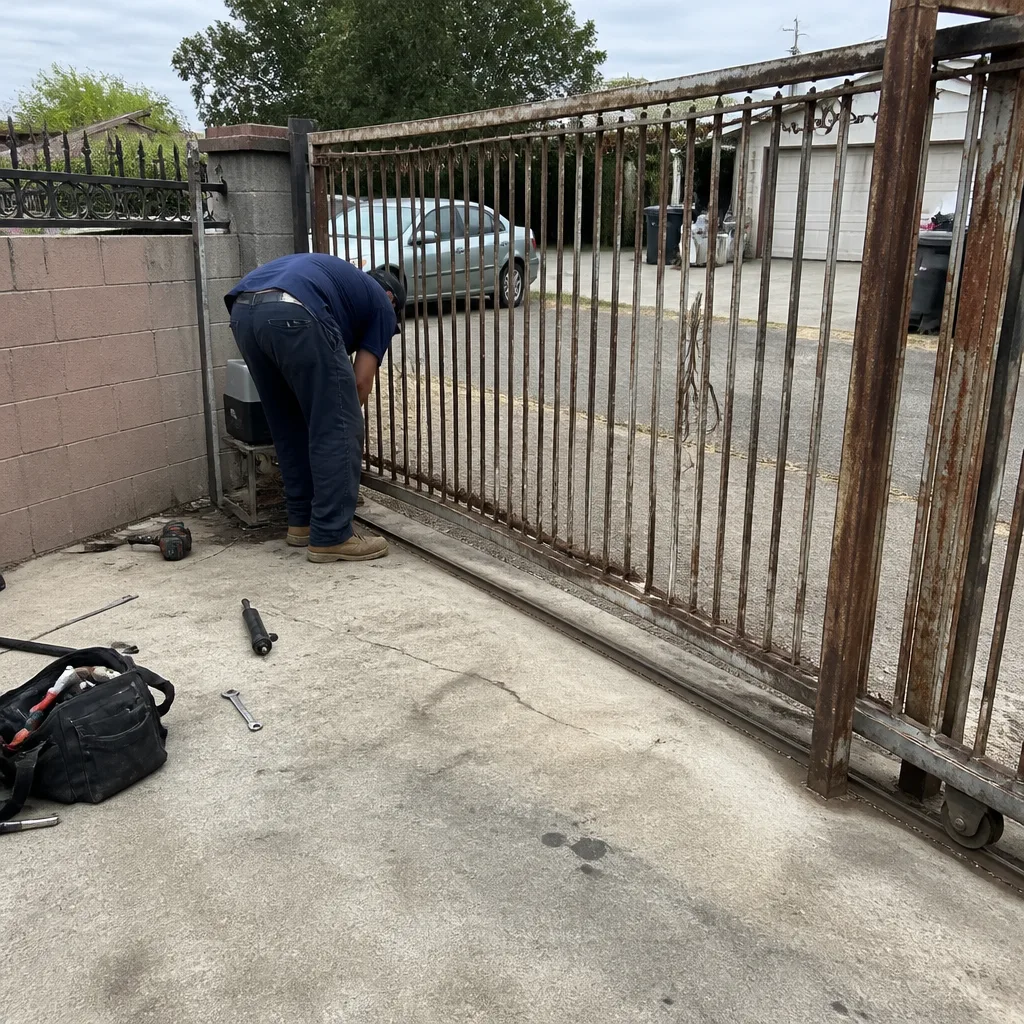 Before
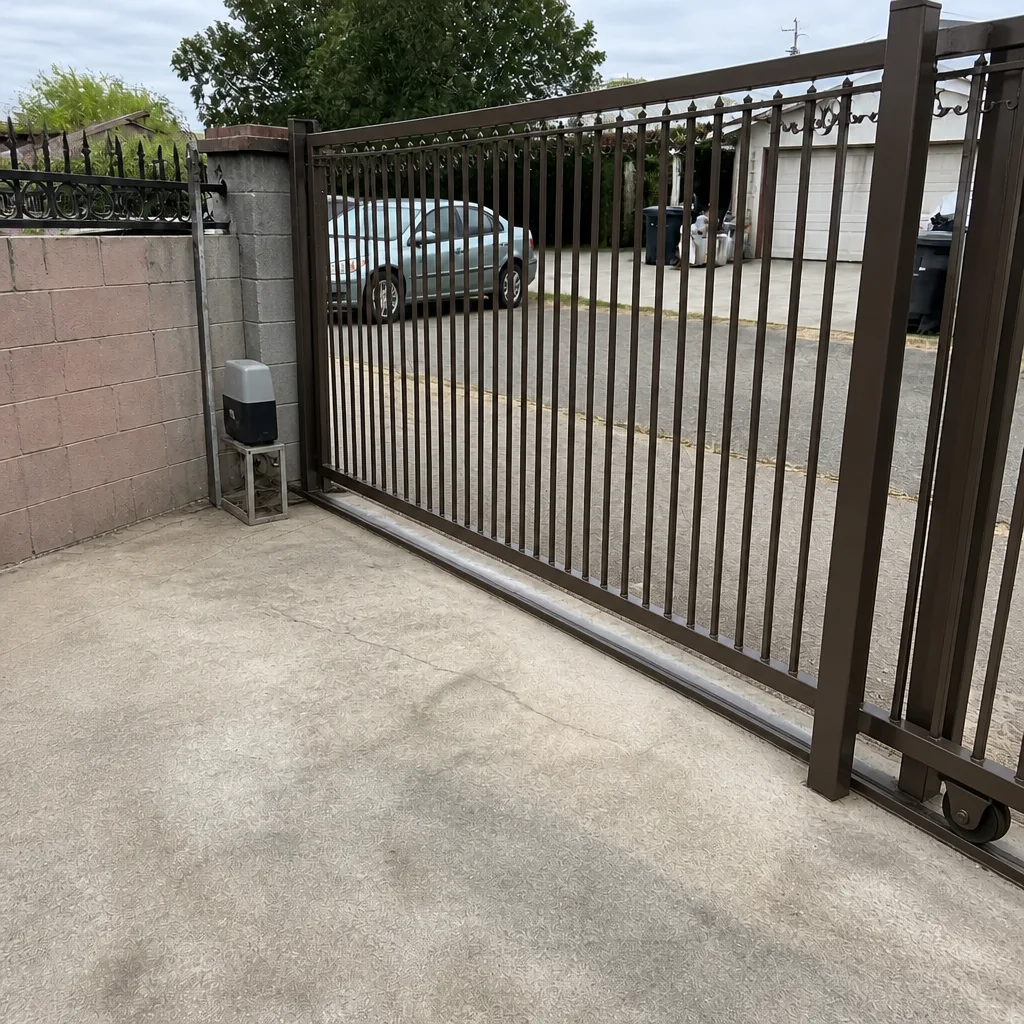 After
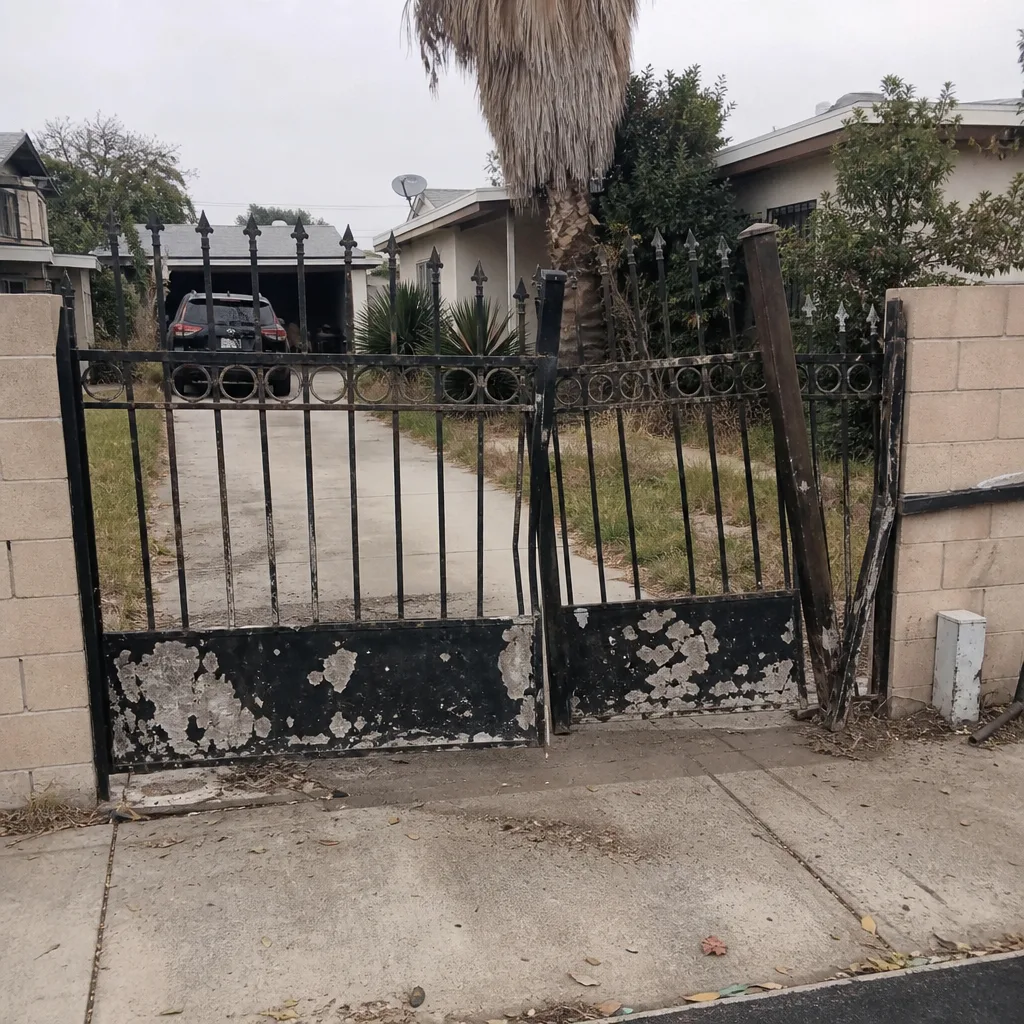 Before
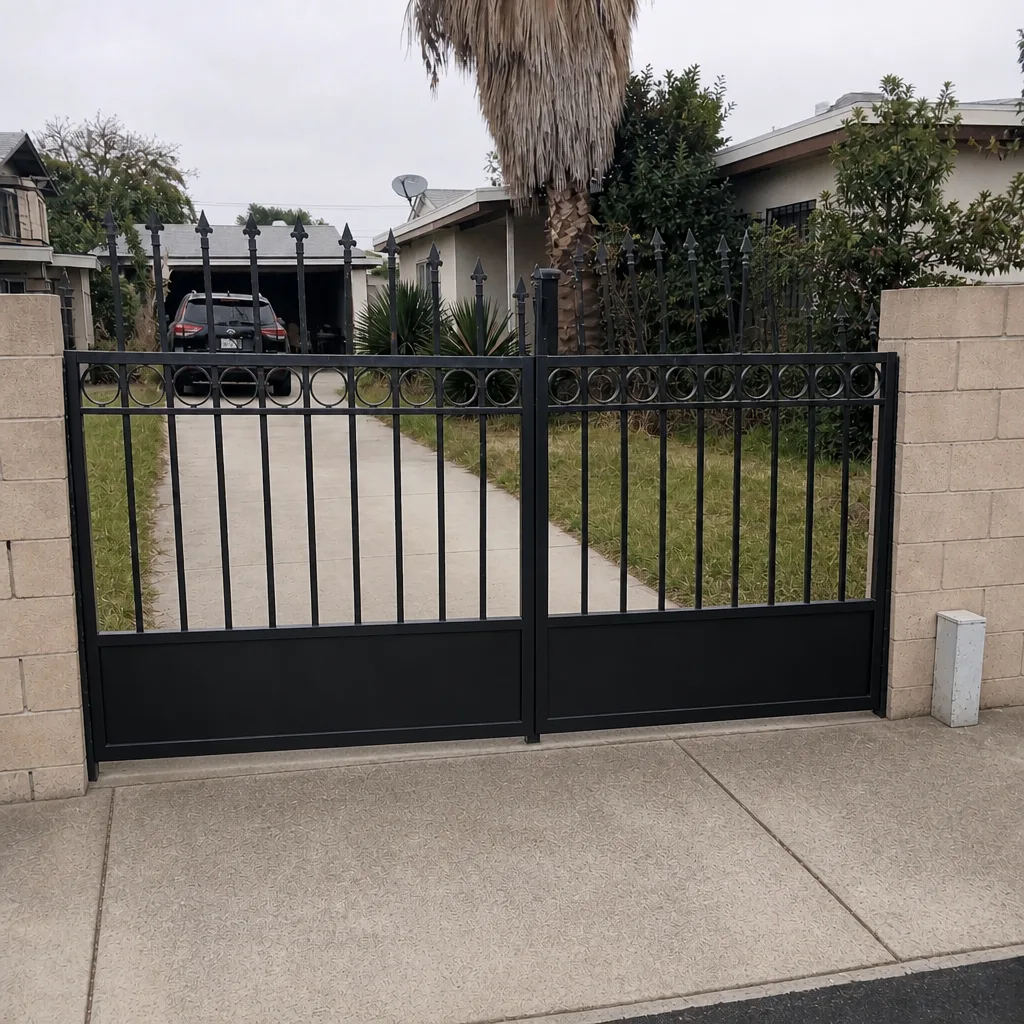 After
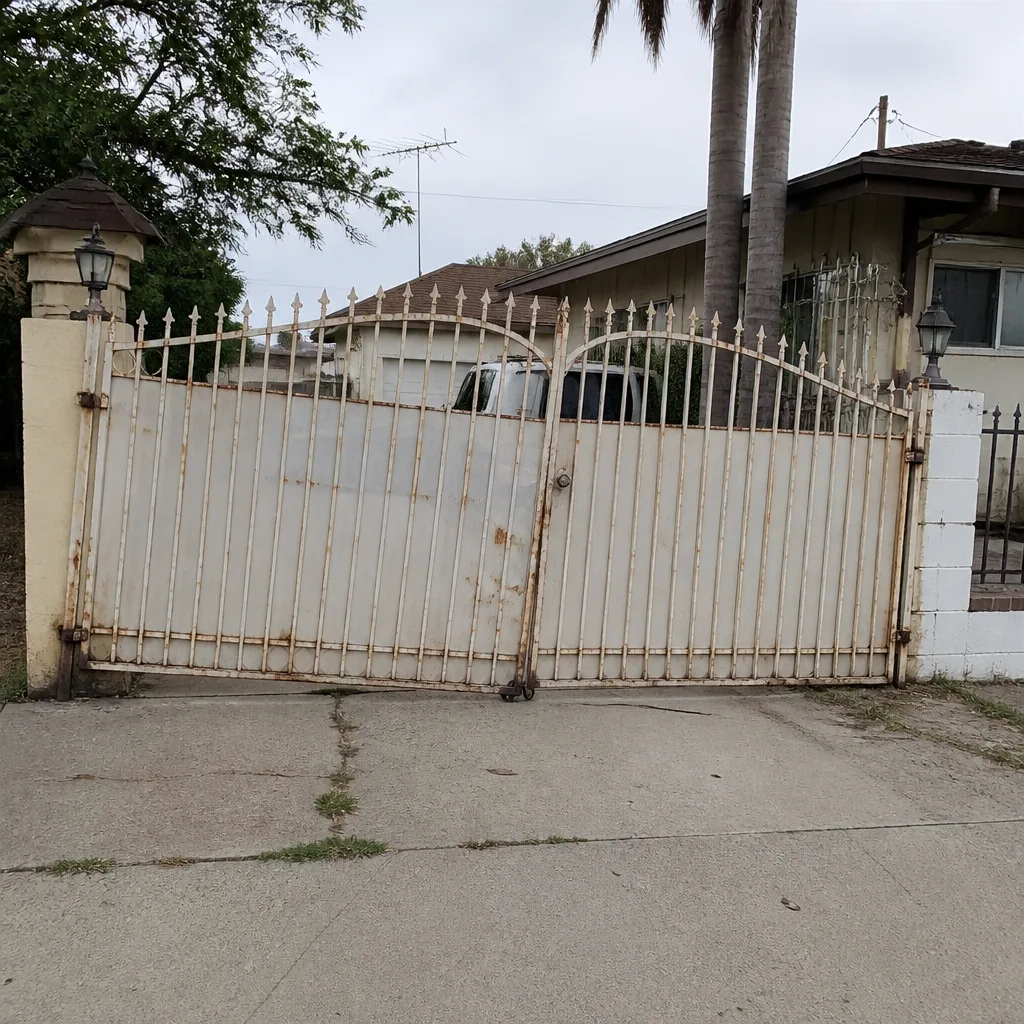 Before
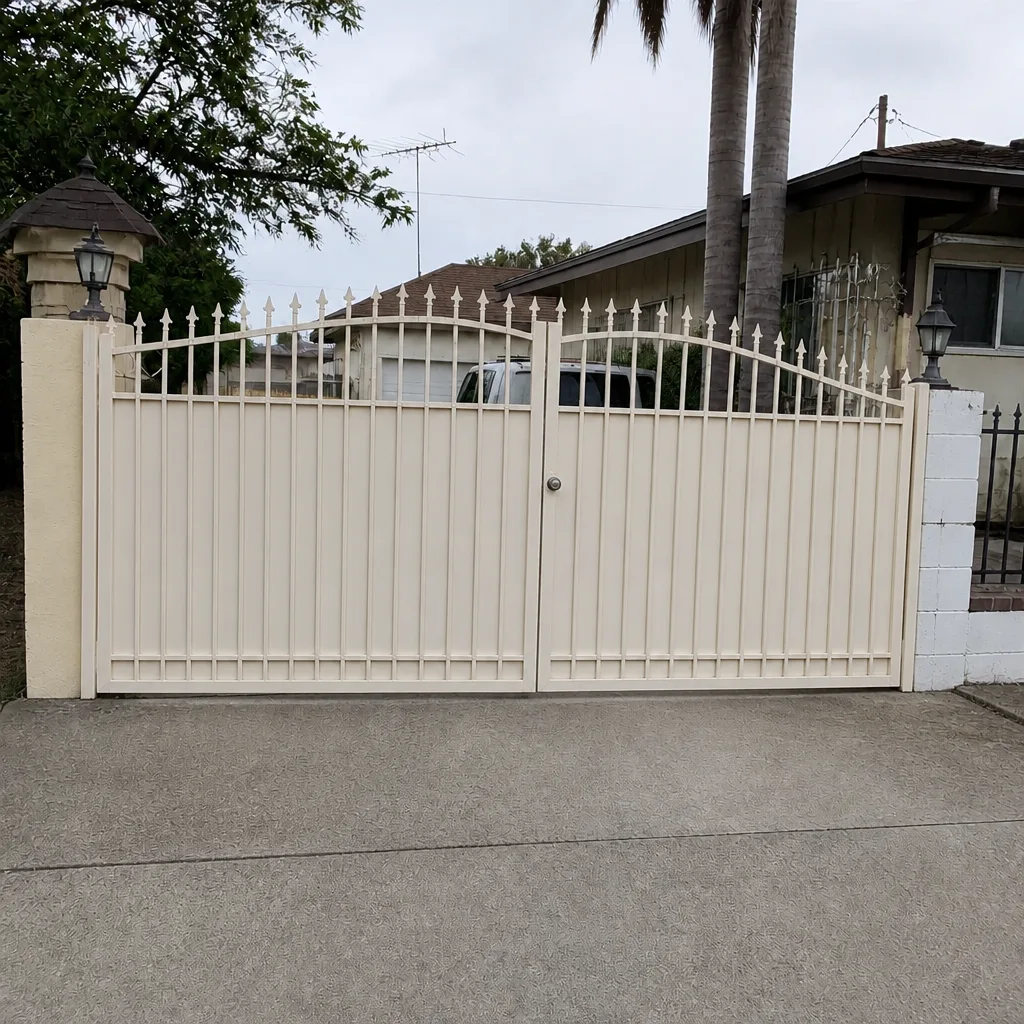 After