
Last updated November 5, 2026
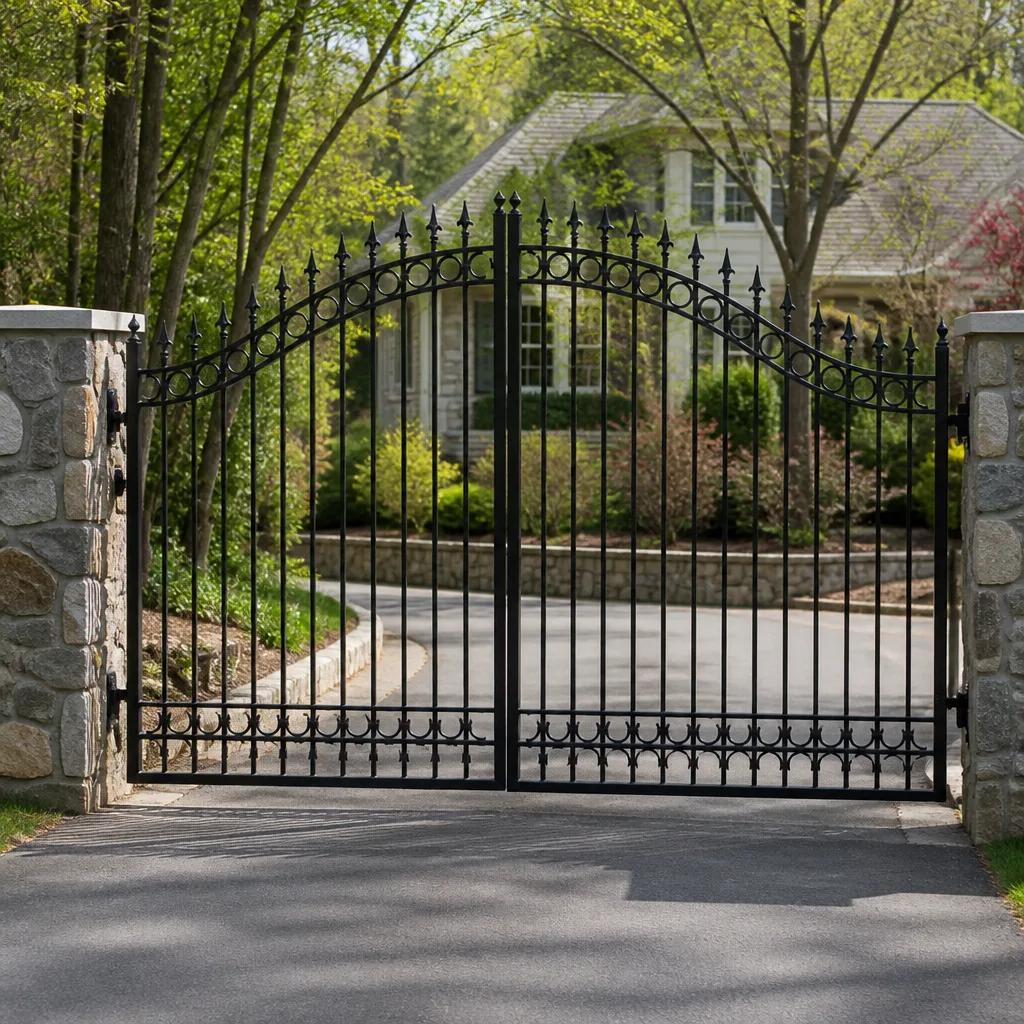 Wrought iron
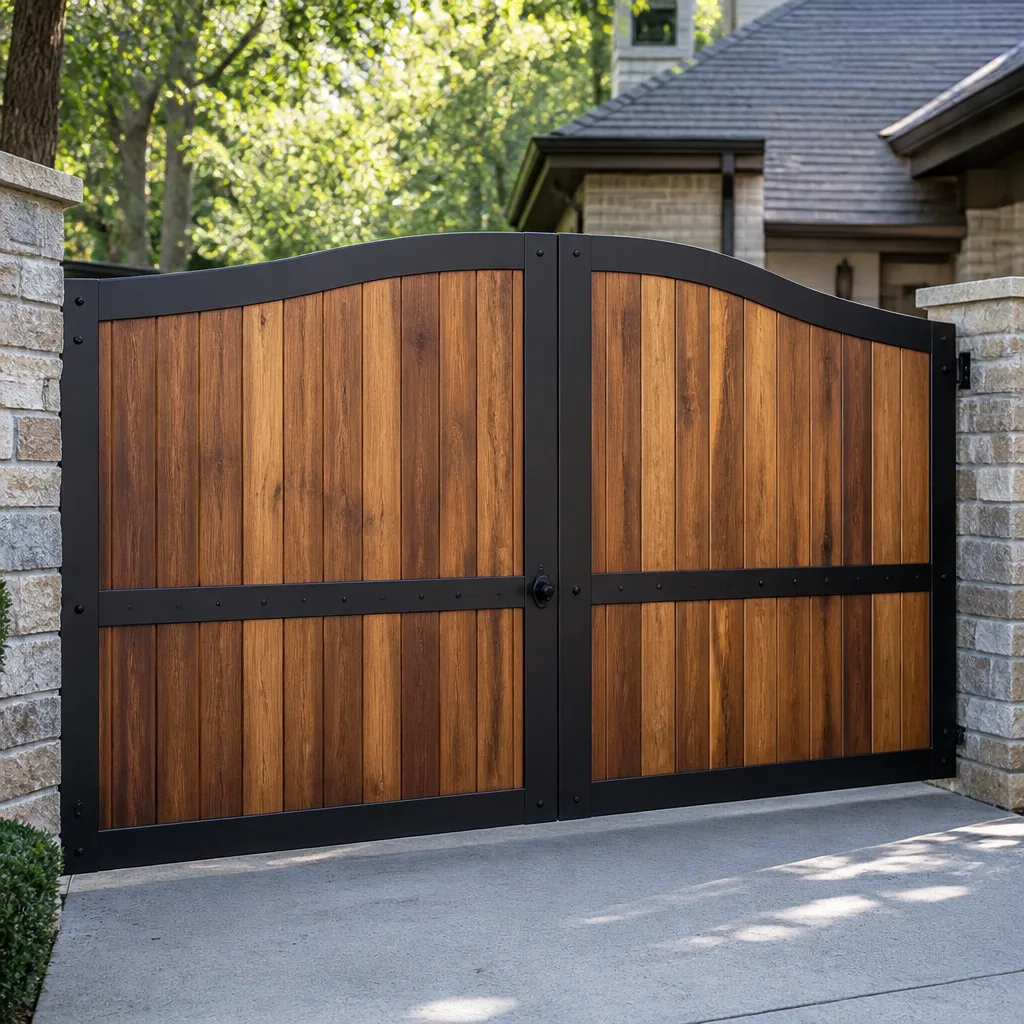 Wood & steel frame
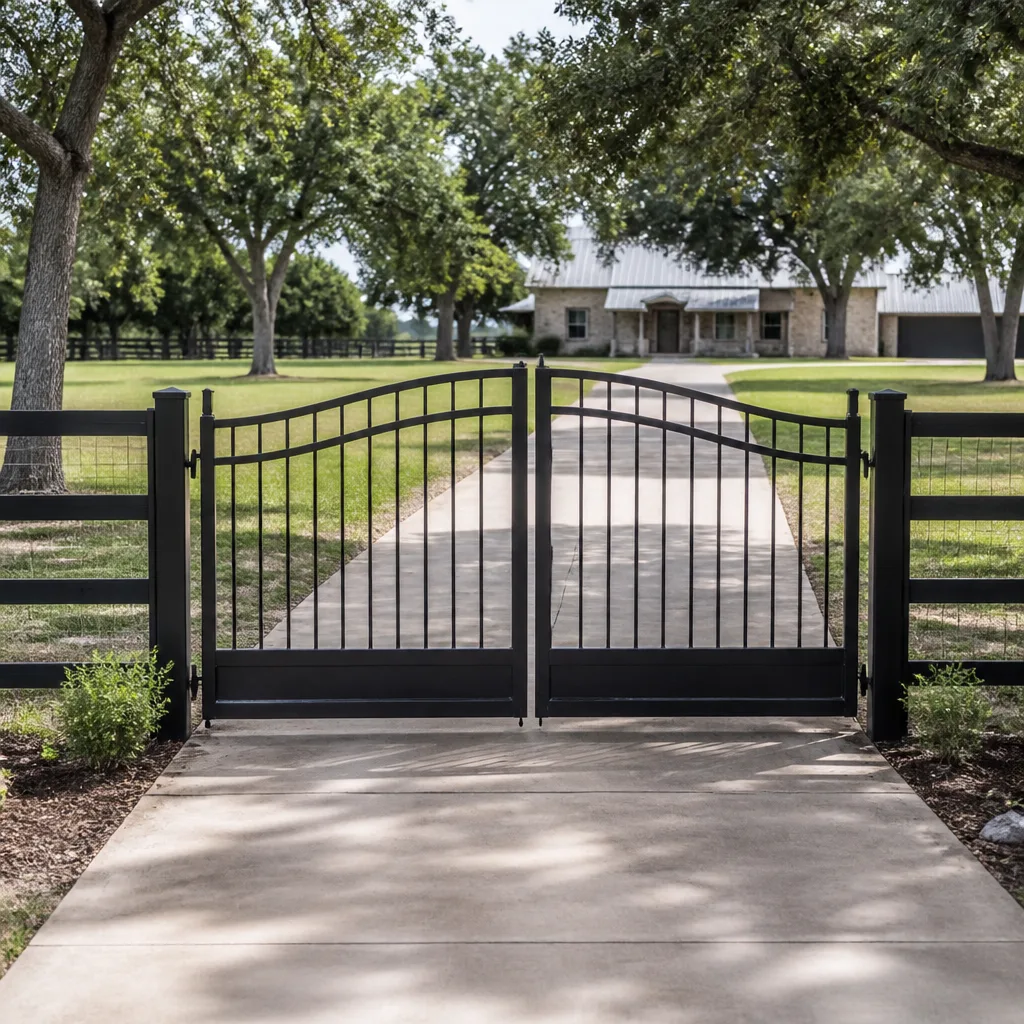 Farm & ranch
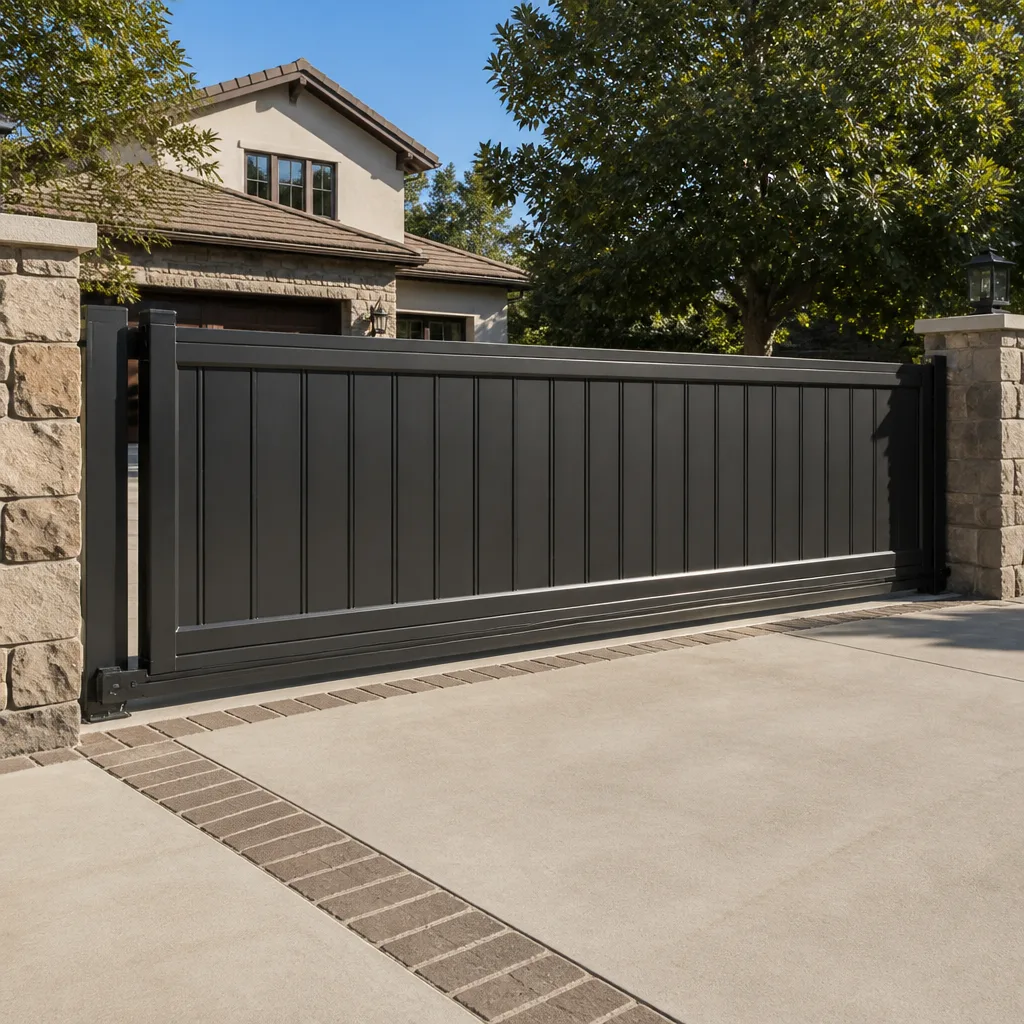 Sliding driveway gates
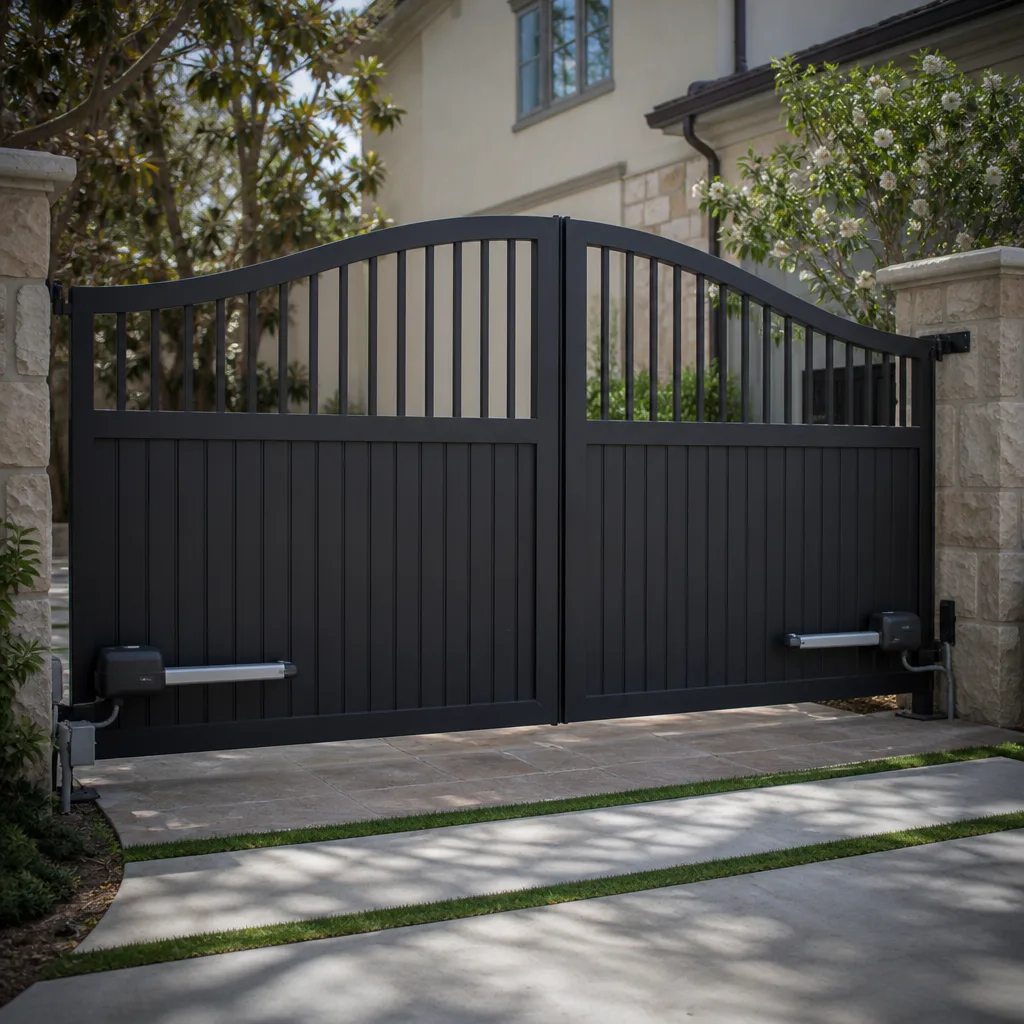 LiftMaster operators
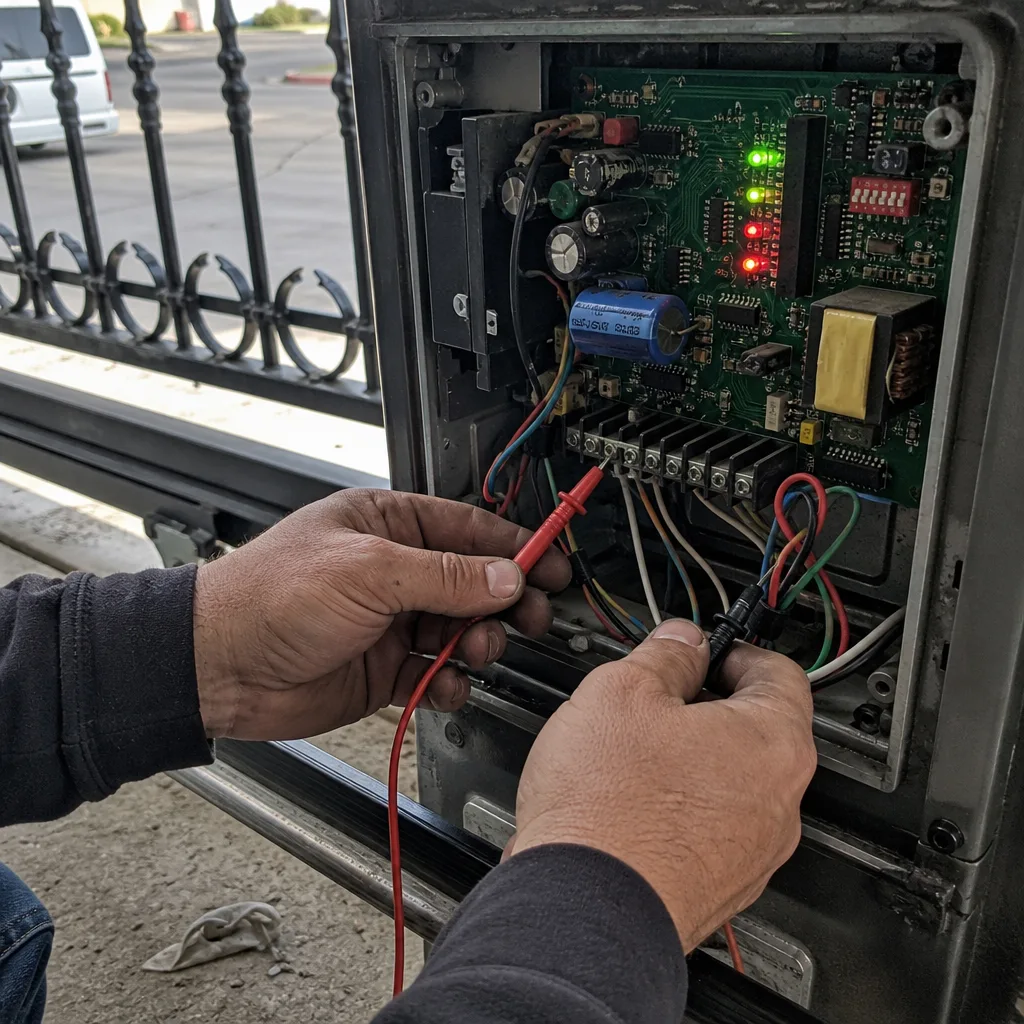
Free on-site gate assessment - hinges, posts, and your LiftMaster or Nice gate operator checked before anything is quoted
The assessment is free and the quote is the invoice.
Get your free estimateGate Repair Emergency Preparedness Guide for Arleta Homes
Most Arleta homeowners only think about their automatic gate when it stops working. But the way a gate fails matters more than the failure itself. A gate stuck closed during a wildfire evacuation is a completely different emergency than a gate stuck open at 2 a.m. when you hear something in the driveway. The response for one can trap you. The response for the other can leave your property exposed. This guide walks through both failure modes, the manual release procedure almost nobody practices, and what to have on-hand before the next power outage, wind event, or evacuation order hits Arleta.
Styles & brands we work with
- Wrought iron
- Wood & steel frame
- Farm & ranch
- Sliding driveway gates
- LiftMaster operators
Quick Answer
Gate repair emergencies in Arleta come down to two scenarios: a gate stuck closed that blocks your vehicles, or a gate stuck open that leaves your property unsecured. Every electric gate operator has a manual release mechanism that works without power, and knowing where it is transforms a 45-minute panic into a 30-second fix. Prepare by practicing the manual release once, keeping the release key or handle accessible, and having a temporary chain-and-lock kit ready for open-gate failures.
Table of Contents
- The Two Gate Failure Modes That Create Emergencies
- Manual Release: The 30-Second Procedure Every Household Should Practice
- How to Disengage Every Common Gate Operator Type in Arleta
- Priority One: Gate Stuck Closed During an Evacuation
- Priority Two: Gate Stuck Open at Night or Before Leaving Town
- What to Have On-Hand for Temporary Gate Security
- Arleta Evacuation Context: Gate Failures and Corridor Decisions
- Briefing Your Household So Anyone Can Operate the Gate
- Common Mistakes to Avoid
- When to Call a Professional
- Frequently Asked Questions
- The Bottom Line
The Two Gate Failure Modes That Create Emergencies
A gate emergency is not one event. It splits into two opposite problems, and the correct response for one is wrong for the other. Understanding this distinction before something happens is the difference between a controlled response and a bad decision made under pressure.
Failure mode one: the gate will not open. Your opener has lost power, a circuit board failed, a gear stripped, or a safety sensor tripped. The gate sits closed across your driveway. If this happens during a fire evacuation, you cannot get your vehicles out. If it happens when you need to leave for work, you are blocked in. The immediate priority is not repair. It is manual release, so the gate can be pushed open by hand.
Failure mode two: the gate will not close or stay closed. The operator failed with the gate in the open position, a hinge broke, a bracket pulled loose, or the gate came off its track. Your driveway is now open to anyone. The immediate priority is not the motor. It is securing the opening temporarily so the property is not exposed overnight or while you are away.
We see these two scenarios conflated constantly. A homeowner calls about a gate that “stopped working” and expects the same first step for both. They are not the same. A gate that will not open needs manual release. A gate that will not close needs temporary physical security. Different tools, different urgency, different risk. In Arleta, where many homes use automatic gates specifically because the property sits close to a street or alley, the security failure mode deserves as much planning as the evacuation failure mode.
This guide is written around that split. Every section below tells you which failure mode it addresses. If you only remember one thing, remember this: stuck closed means get out. Stuck open means keep people out.
Manual Release: The 30-Second Procedure Every Household Should Practice
Every automatic gate opener sold in the U.S. has a manual release. It disconnects the gate from the motor so the gate swings or slides by hand. The mechanism is mechanical. It works with no power. It works when the circuit board is dead. It works when the remote is lost. And in our experience, fewer than one in ten homeowners has ever used it.
Here is the problem. The manual release is only useful if you can find it and operate it without thinking. During an evacuation, you are not in a state to read a manual, search for a key, or figure out which lever does what. That is why the single most valuable gate preparedness step in Arleta is to practice the manual release once, in daylight, with every adult in the household watching.
The release mechanism differs by operator brand, but the location is consistent: it is on the operator itself, usually under a small access cover, and it takes one of three forms:
- A keyed release: A small metal key inserts into a cylinder and turns a quarter turn to disengage the gearbox. The key typically lives on top of the operator or hangs from a nearby hook, and it is easy to lose.
- A pull lever or knob: A handle or red knob pulls out or rotates to separate the drive from the gate. No key required, but you need to know which direction to pull and how hard.
- A locking pin or bolt: A pin slides out of the drive arm or chain carriage. Some designs require a wrench or the flat end of a screwdriver to back the pin out.
Once released, a swing gate pushes open by hand from the leading edge, not from the hinge side. A slide gate rolls along its track with firm pressure on the leading vertical frame. Expect resistance. A heavy steel gate takes real effort, especially if the guide rollers are dry or the track has debris in it.
After the emergency passes, re-engaging the operator is the reverse of the release procedure. Most operators re-engage automatically the next time the motor runs if the gate is in the correct position. Some require you to manually lock the release back in place. If you have never done this before, the first time should not be at night, in smoke, with a car idling behind you.
How to Disengage Every Common Gate Operator Type in Arleta
The brands installed across Arleta homes vary widely, from entry-level residential openers to heavier commercial-style operators. You do not need to memorize nine procedures. You need to know the release on your operator, and you need to know that the general approach below covers most of what is out there.
Linear and Viking residential swing operators
These are among the most common operators we see on Arleta driveways. Both typically use a keyed release on the side of the operator housing. Insert the key, turn it counterclockwise until it stops, and the drive arm disconnects from the gate. The key often stays in the operator when not in use, which is convenient until it rusts in place. If yours is missing, replace it now rather than discovering that during an emergency.
Ghost Controls swing and slide operators
Ghost Controls operators are popular for lighter residential gates and use a simple lever release. On swing models, the lever is on the top of the operator arm where it connects to the gate. Pull it toward the gate to release. On slide models, the release is a rotating knob on the front of the operator that disengages the drive gear from the rack. These releases are designed to be operable by hand without tools, which is one reason we point homeowners to them during a gate repair conversation.
DoorKing slide operators
DoorKing builds heavy slide gate operators common on commercial properties and some larger residential lots. The manual release is a lever or handle on the side of the operator that lifts the drive sprocket off the chain. Because these operators are larger and the gates they move are heavier, the release handle sometimes requires more force than a homeowner expects. On some models, you may need a pair of channel-lock pliers to grip and lift the release handle if it has not been used in years.
The pattern here is simple: the release is on the operator, it is mechanical, and it takes a key, a lever, or a pin. Once you know which one applies to your gate, you are 90 percent of the way prepared. If you cannot identify your operator brand, look for the nameplate on the housing or the control board cover. The brand name and model number are usually printed there.
Priority One: Gate Stuck Closed During an Evacuation
This is the scariest gate failure, and the one with the least room for error. If you need to evacuate and the gate will not open, follow these steps in order.
- Try the remote and the wall button once each. A dead battery or a wiring fault at the button is a five-second fix that sometimes resolves the whole problem. Do this first because it costs nothing and takes less time than reading this sentence.
- Check the power to the operator. If you have a battery backup and the display shows an error code, note it but do not troubleshoot it now. The breaker may have tripped. If it has, reset it once. If the operator still will not move, move on.
- Use the manual release. This is the step that gets your vehicles out. Locate the release, disengage the operator, and push the gate open by hand. If the gate is a single-leaf swing gate, push from the latch edge. If it is a slide gate, push from the leading edge. If it is a double-leaf gate, release both operators if both leaves are motorized.
- Secure the gate open. Once the gate is open, prop or tie it so it cannot drift closed while you bring vehicles through. A bungee cord, a length of rope, or a wedge under the wheel works. You are not leaving the property unsecured behind you for long; you are creating a clear exit path.
- Leave. Do not attempt to diagnose the operator during an evacuation. The gate can be repaired later. The priority is leaving safely.
In Arleta, evacuation orders can come with very little notice. The Arleta street grid and the nearby freeway corridors mean that a delayed exit at a single driveway can cascade into a missed evacuation window. Practicing the release procedure once means you will not be standing at your own gate, in the dark or in smoke, trying to figure out where the key goes.
One more point that gets overlooked. If your gate is powered only by standard 120-volt supply with no battery backup, a power outage during an evacuation is exactly when it will fail. A gate that works flawlessly every day will not open when the grid is down. The manual release is not optional in that scenario. It is the only way out.
Priority Two: Gate Stuck Open at Night or Before Leaving Town
The opposite failure is quieter and often gets less attention, but it matters just as much. An electric gate that fails in the open position means your driveway is now an open entry point. In a neighborhood where the gate is part of the security plan, that is a real exposure.
The response priority here is not repair. It is temporary security. You cannot always get a technician out immediately, and you should not leave the property unsecured for hours or days while you wait. Here is a practical sequence.
- Assess why the gate is open. If the operator simply stopped mid-cycle and the gate is sitting halfway or fully open, you may be able to manually push it closed with the release disengaged. A swing gate that came off its hinges or a slide gate that jumped the track needs a different approach, because forcing it may cause more damage or create a crush hazard.
- Push or roll the gate closed if it moves freely. Release the operator and close the gate by hand. If it is a slide gate off the track, do not try to lift it alone. A heavy steel panel can crush a hand or foot if it shifts. This is one of the few gate tasks where we strongly recommend waiting for a professional.
- Chain and padlock the gate to the post. Use a chain rated for the job, wrapped around the gate frame and the adjacent post or a solid anchor point. A cable lock works as a stopgap but is easier to cut. The goal is not to make the gate impossible to breach. It is to slow someone down and create noise.
- Disable the operator. If the operator is still receiving power and intermittently trying to move the gate, shut it off at the breaker or unplug it. A half-failed operator that jerks the gate can damage the gate, the hinges, or the operator itself. Cutting power until a technician arrives prevents a bad situation from getting worse.
- Notify the household. Make sure everyone knows the gate is down and that the normal entry pattern is changed. If a delivery arrives or a family member comes home late, they should not expect the gate to open.
This scenario is exactly where electric gate repair becomes more than a convenience. The operator, the wiring, and the gate hardware are one integrated system. A gate that fails open may have a stripped gear, a failed limit switch, a broken drive arm, or a dead control board. Knowing which one requires someone who works on these systems regularly, not a general handyman who gets called for a fence post one day and a gate the next.
What to Have On-Hand for Temporary Gate Security
Most Arleta homeowners do not think about securing a broken gate until they are standing in front of one at 11 p.m. with a dead opener and no plan. A small kit assembled in advance costs under $75 and turns a stressful night into a manageable one.
The basic kit:
- A heavy chain, 6 to 10 feet long, with a weather-resistant padlock. This is the core item. It secures a closed gate to the post or an open gate to keep it from swinging into a car or a person.
- Two ratchet straps or bungee cords. Useful for holding a swing gate in a fixed position when the operator is disengaged. They also work to secure a gate open during an evacuation so it cannot drift closed.
- A pair of work gloves. Gate frames are steel and often have sharp edges, especially at the bottom rail. Pushing a gate by hand in the dark without gloves is an easy way to cut a hand.
- A headlamp or flashlight. The manual release is usually on the side of the operator facing away from the street. You will need both hands, which rules out a phone flashlight held between your teeth.
- The operator’s release key, if your brand uses one. Keep it on a hook inside the garage or the side door, not on top of the operator where weather and time will seize it in place.
This kit sits in a single small bin or bucket next to the electrical panel or in the garage. It is not for repair. It is for holding the situation together until a technician can get there.
For a slide gate that has jumped the track, no amount of chain or straps will fix the problem. That is a professional repair, and attempting a DIY re-racking often results in a bent track, a damaged drive chain, or a gate that comes down on someone. The chain-and-padlock kit secures the opening. It does not fix the gate.
Arleta Evacuation Context: Gate Failures and Corridor Decisions
Arleta sits in a part of the San Fernando Valley where wildfire risk is real and evacuation corridors are limited. The neighborhood’s street layout, the proximity to major routes, and the density of single-family homes with gated driveways all shape how a gate emergency plays out.
The Saddleridge Fire in 2019 forced evacuations across the northern Valley and into neighborhoods with exactly this kind of housing stock. One lesson from that event applies directly to Gate Repair Arleta service calls we have made since: homeowners with automatic gates often did not know whether their gate would open without power. The manual release was a mystery. The gate was an afterthought until it was a barrier.
Here is the practical Arleta-specific takeaway. If you live on a street where several neighbors have automatic gates, a neighborhood-wide power outage during a fire event will strand every vehicle behind those gates. The homes on your block that get out first will be the ones where someone practiced the manual release. The homes that wait for a technician or a utility crew will wait for something that is not coming in time.
We recommend one simple step for Arleta households: include gate manual release in your evacuation plan, the same way you include grabbing documents or shutting off the gas. It is a two-minute addition to the plan. It costs nothing. It does not require a service call. It just requires that the person who normally operates the gate is not the only person who knows how to open it by hand.
Hail is uncommon in Arleta, and storm damage to gates in this area tends to come from wind-driven debris or heavy gusts that catch a solid gate panel like a sail. A loose hinge or a worn bracket that holds in normal weather can fail suddenly in a Santa Ana wind event. If your gate rattles in the wind now, that is a warning sign, not a quirk.
Briefing Your Household So Anyone Can Operate the Gate
The single most common gate emergency we see is not a broken operator. It is a household where only one person knows how the gate works. When that person is not home, or is the one injured or incapacitated, the rest of the household is stuck behind a gate they have never touched.
A five-minute household briefing fixes this. It is not a training course. It is a walk-through of where the release is, what it looks like, how it works, and when to use it.
Run the briefing this way:
- Gather every adult and teen in the household at the gate during daylight. Do this once. It does not need to be a recurring event, but make sure anyone who drives goes through it at least once.
- Show the operator and name the brand. You do not need the model number. You need everyone to know whether the release is a key, a lever, or a pin.
- Demonstrate the release while narrating each step. Then re-engage the operator and have each person do it themselves. Watching is not the same as doing.
- Show how to push the gate open by hand, where to stand, and what to avoid. Standing in the path of a swinging gate or in the track of a slide gate is how people get hurt. Mark the danger zone.
- Point out the location of the emergency kit. The chain, the lock, the headlamp, the gloves. Everyone should know where it lives and what is in it.
This briefing matters most in households where the gate operator is a point of pride for one person. The person who installed the gate, or who researched the opener for weeks, is often the only one who understands the release. That concentration of knowledge is fragile. Spread it out.
If your gate uses a keyed release, make a second key. Keep it on a hook inside the house. A release key left on top of the operator will corrode in the weather and eventually snap off in the lock. A spare inside the house, labeled clearly, is the right answer.
Common Mistakes to Avoid
- Waiting until the gate fails to look for the release key. The release key or lever is the single most important piece of gate hardware most homeowners have never touched. Find it, test it, and make a spare this week, not during an emergency.
- Treating a stuck-open gate the same as a stuck-closed gate. These are opposite problems with opposite priorities. A stuck-closed gate needs manual release so you can leave. A stuck-open gate needs temporary security so the property is not exposed. Confusing the two wastes time and creates risk.
- Leaving the gate propped open “for now” after the initial failure. An unsecured gate broadcasts that the property is vulnerable. Use the chain-and-lock kit from the moment the gate fails, not as an afterthought when everyone is going to bed.
- Assuming the gate will open during a power outage because it has always worked. Standard operators without battery backup do not run on grid power that is not there. The manual release is the only reliable path out. Do not find this out during an evacuation.
- Having the release key on top of the operator, exposed to weather. A key that has been sitting outside for five years will seize. Store the spare inside and replace the outside one yearly, or better yet, move it inside entirely.
- Attempting to force a slide gate back onto its track alone. A heavy steel gate panel can shift suddenly and crush a hand or foot. This is a professional repair, not a two-person DIY job.
When to Call a Professional
Some gate situations are safe to manage yourself with the manual release and the temporary security kit. Others are not. Call a professional when the gate has jumped its track, when the operator is sparking or smoking, when wiring is exposed, when a hinge or bracket has torn loose from the post, or when the gate has come down on something and is no longer secure. These are structural and electrical failures, not convenience problems.
A gate repair technician who works on electric gate systems daily can diagnose the operator, the wiring, and the gate hardware together. That matters, because a gate that fails usually has more than one contributing problem. Replacing a board without addressing a binding hinge just moves the failure down the road a few weeks.
Gate Repair Arleta offers free estimates in Arleta. Call (855) 473-3106 and tell us what the gate is doing or not doing. We answer 24/7. Fast dispatch from 7am to 7pm, Sunday through Friday. If your gate is stuck closed right now and you cannot release it, we will walk through the release procedure with you over the phone while we get a technician out.
Frequently Asked Questions
Every electric gate operator has a mechanical manual release on the operator housing itself, usually a key, lever, or pin. Disengage it and the gate pushes open by hand, no power required. The release works even when the circuit board is dead, but only if you know where it is and how it operates.
Push or roll the gate closed if it moves freely, then chain and padlock it to the post. If the operator is still trying to move the gate, cut power at the breaker. The priority is temporary security, not diagnosis. Call (855) 473-3106 and we will get a technician out.
In most cases, yes. A slide gate that jumped the track is a repair we handle regularly. Do not try to force the gate back onto the track yourself. The panel is heavy enough to cause serious injury if it shifts. Call (855) 473-3106 for a free estimate and we will dispatch a technician.
We work on operators from nine major manufacturers: LiftMaster, FAAC, BFT, Linear, Viking, Ghost Controls, DoorKing, Elite, and Mighty Mule. If your gate says any of those names on the operator, we recognize the system on sight.
A battery backup keeps your gate operating during a standard power outage, which is valuable in an area where wildfire-related outages are a real possibility. But no battery lasts forever, and the manual release is still the ultimate fallback. If you are considering a backup, call (855) 473-3106 for advice specific to your operator.
The price depends on what failed. A release key replacement or a limit switch adjustment costs far less than a full operator replacement. The price is always quoted and agreed in writing before any work starts. Call (855) 473-3106 for a free estimate.
The Bottom Line
An automatic gate in Arleta is two things at once: a security barrier and a potentially life-threatening obstacle during an evacuation. Preparing for a gate emergency means knowing the two failure modes, practicing the manual release once, keeping a temporary security kit on hand, and making sure everyone in the household can operate the gate without help. None of this requires technical skill. It requires ten minutes of attention before the emergency, not during it.
If your gate needs repair or you want a technician to walk you through your specific operator’s manual release, call Gate Repair Arleta at (855) 473-3106. We answer 24/7. Fast dispatch from 7am to 7pm, Sunday through Friday. Estimates are free, and the price is set by written estimate before any work begins.
Written by the team at Gate Repair Arleta, serving Arleta since 2018.
See the difference
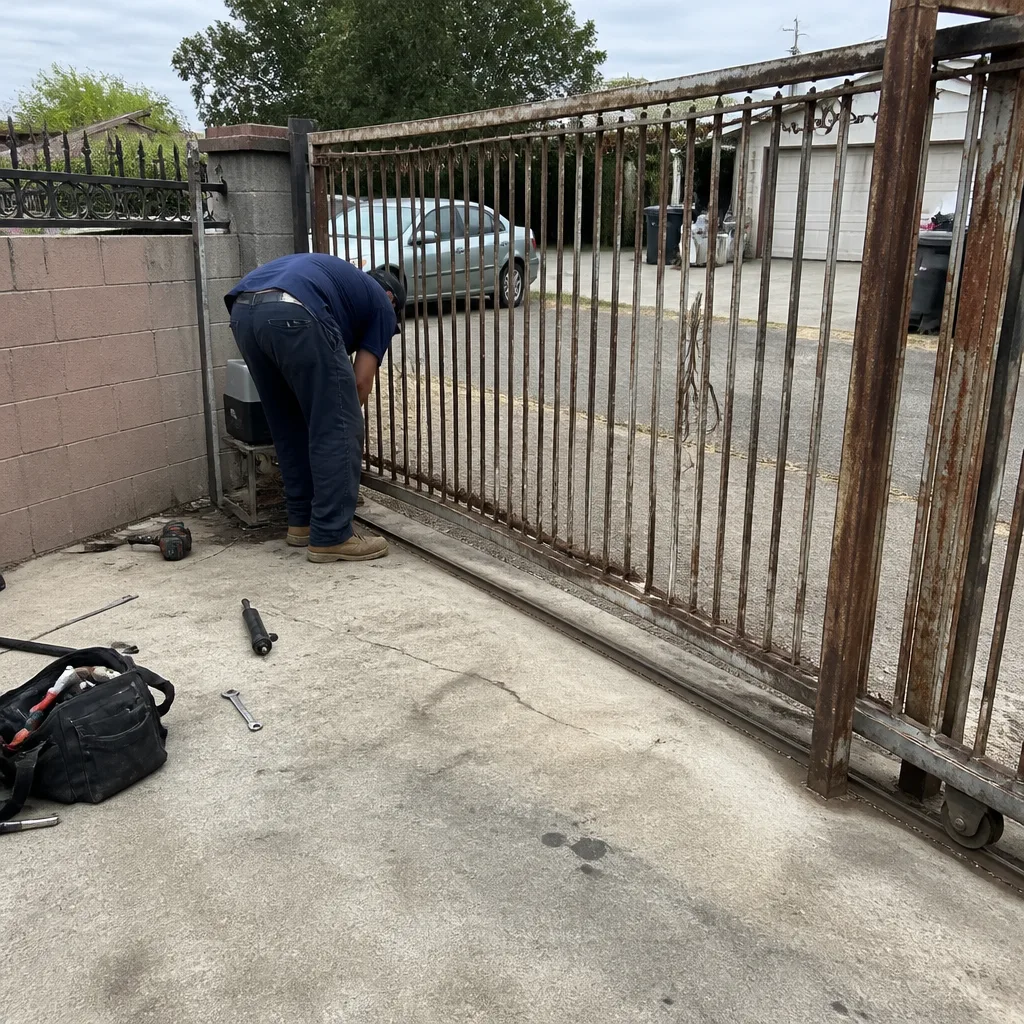 Before
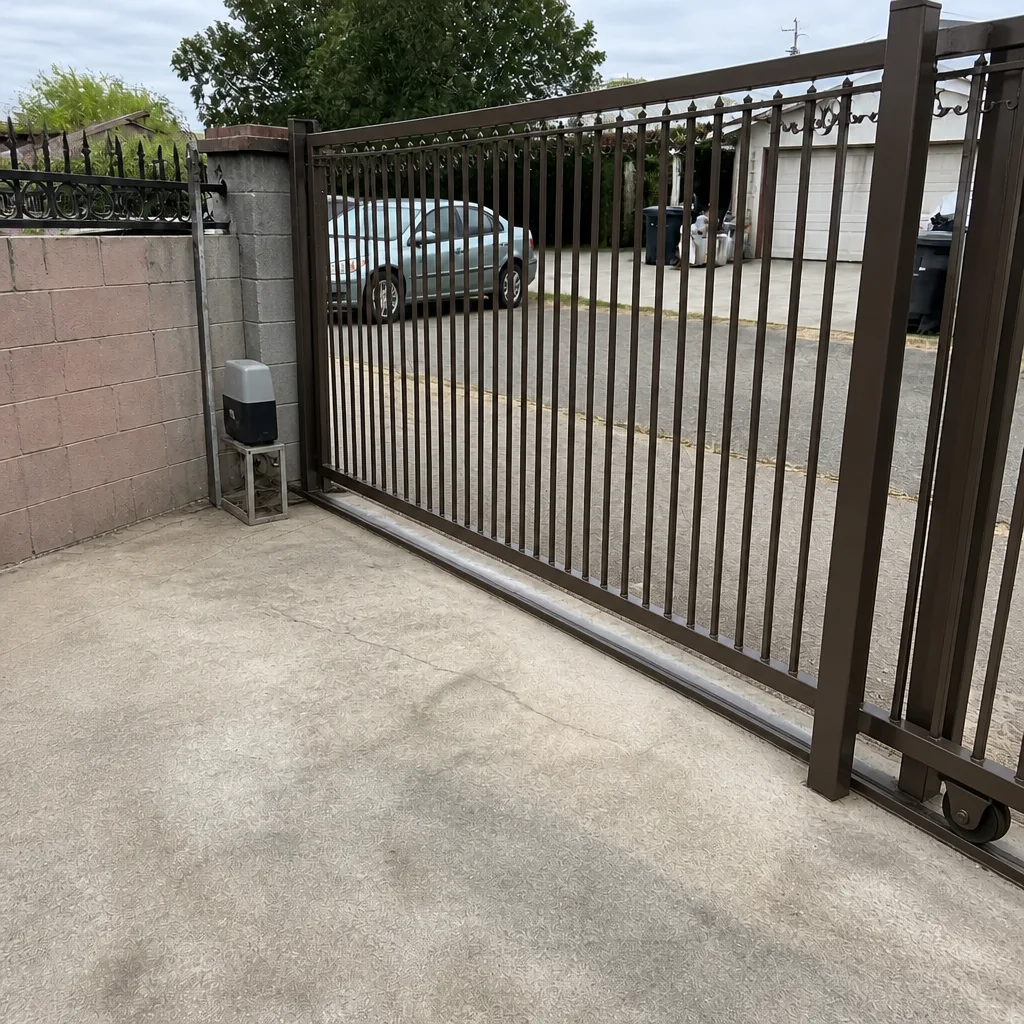 After
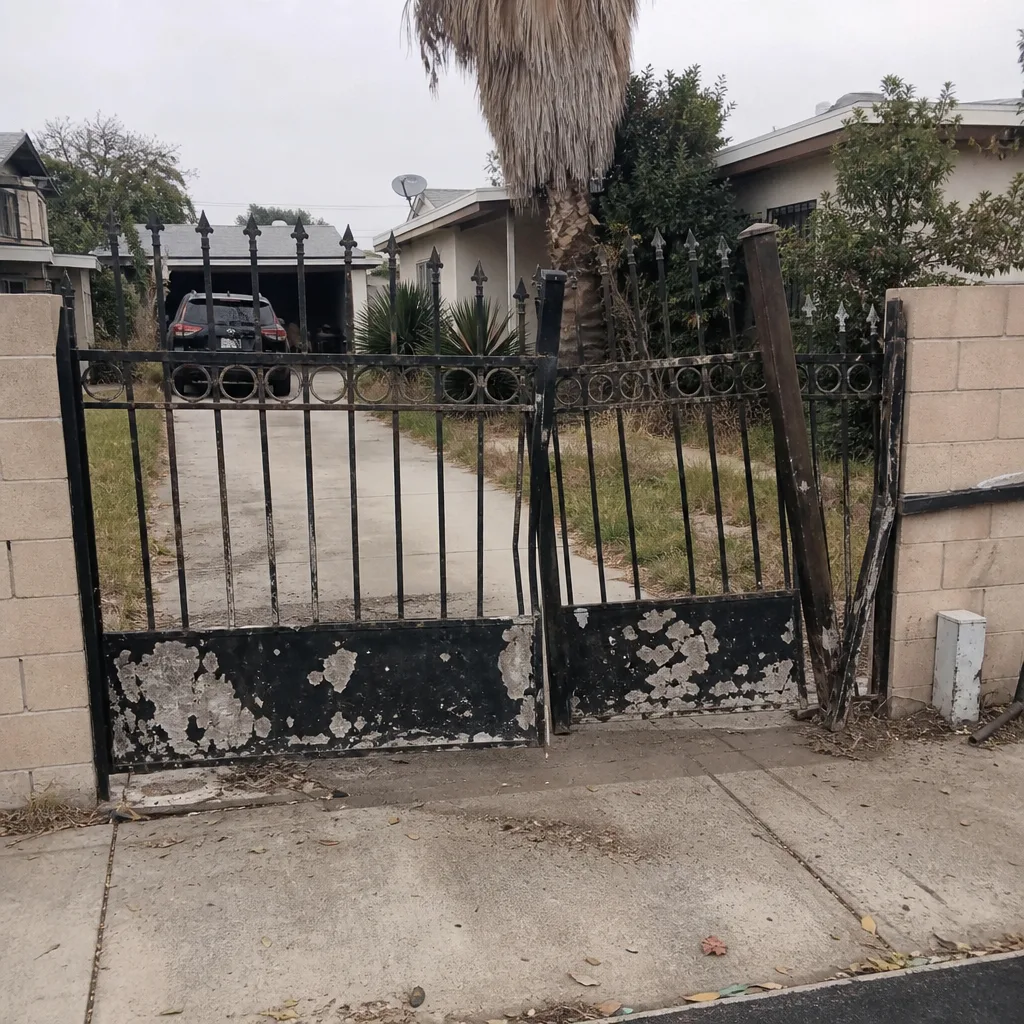 Before
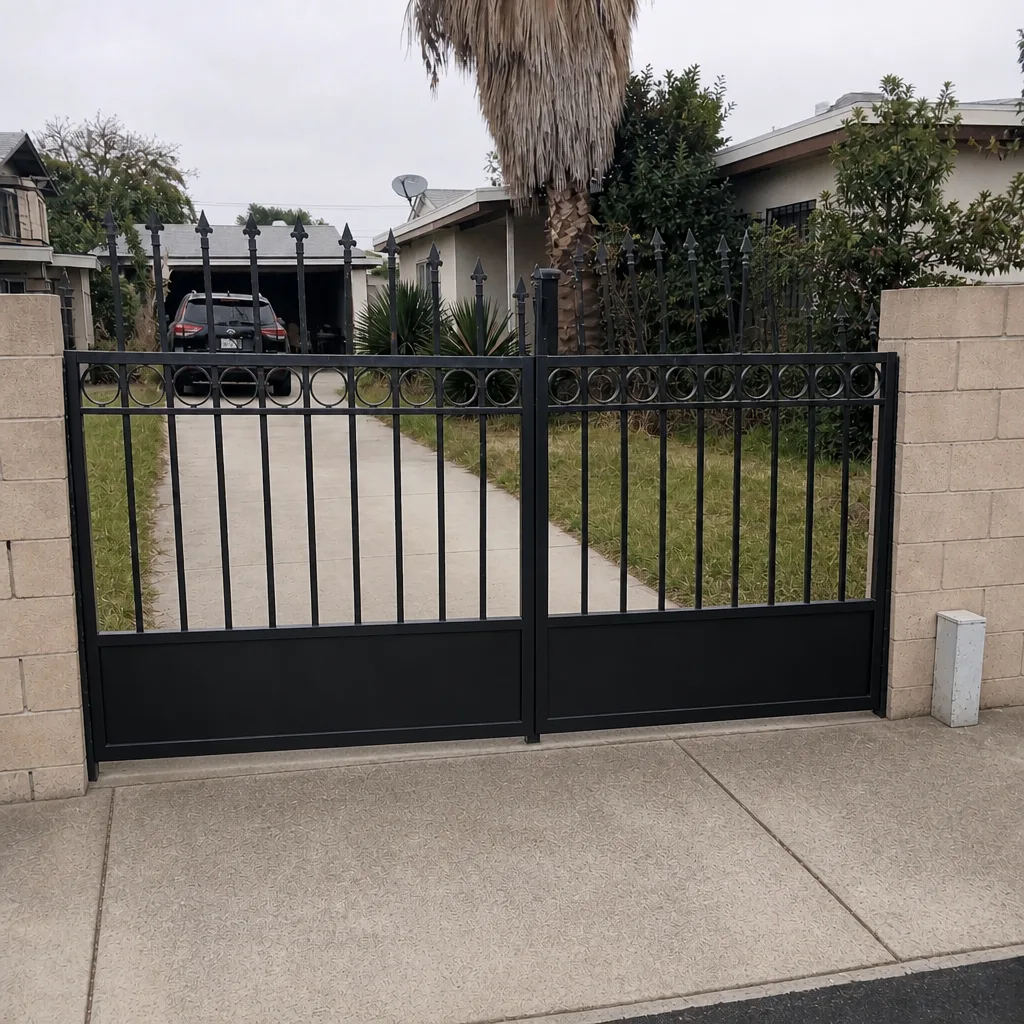 After
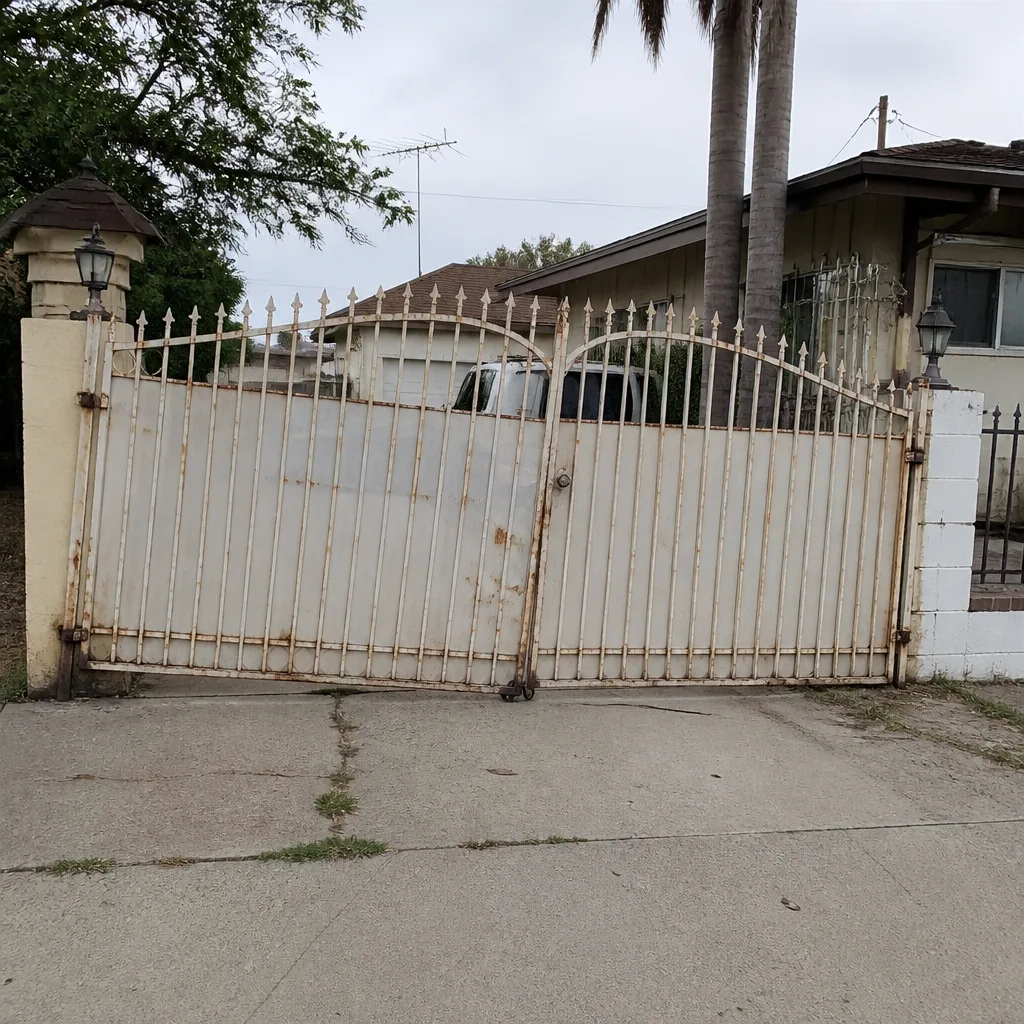 Before
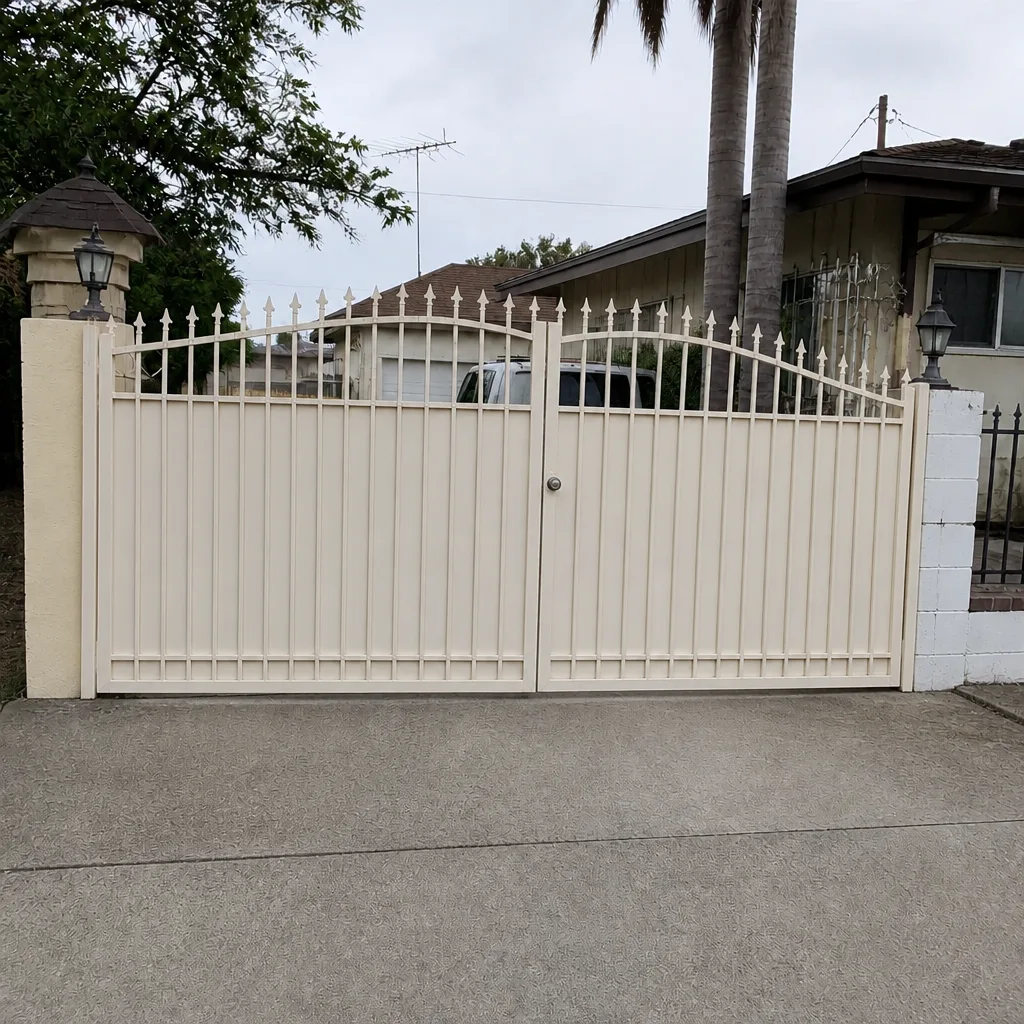 After