
Last updated November 5, 2026
 Wrought iron
 Wood & steel frame
 Farm & ranch
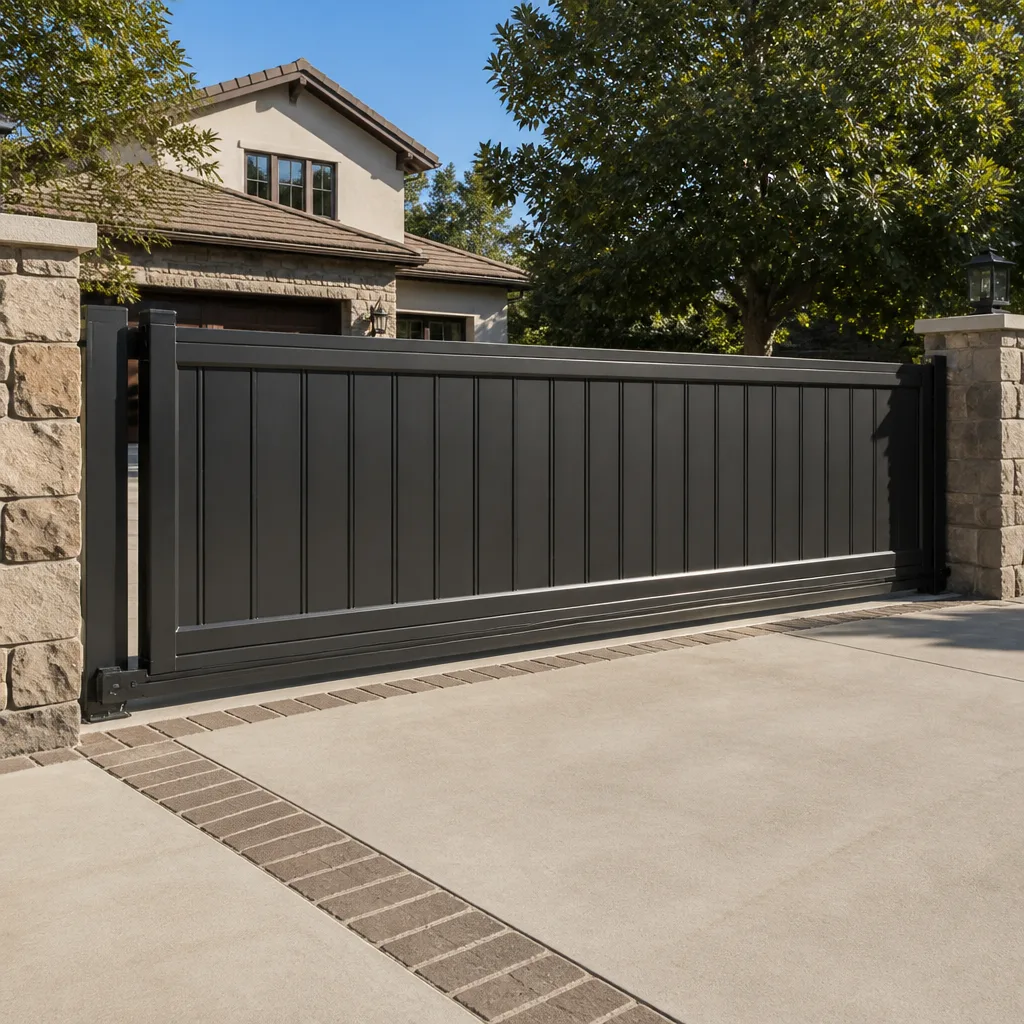 Sliding driveway gates
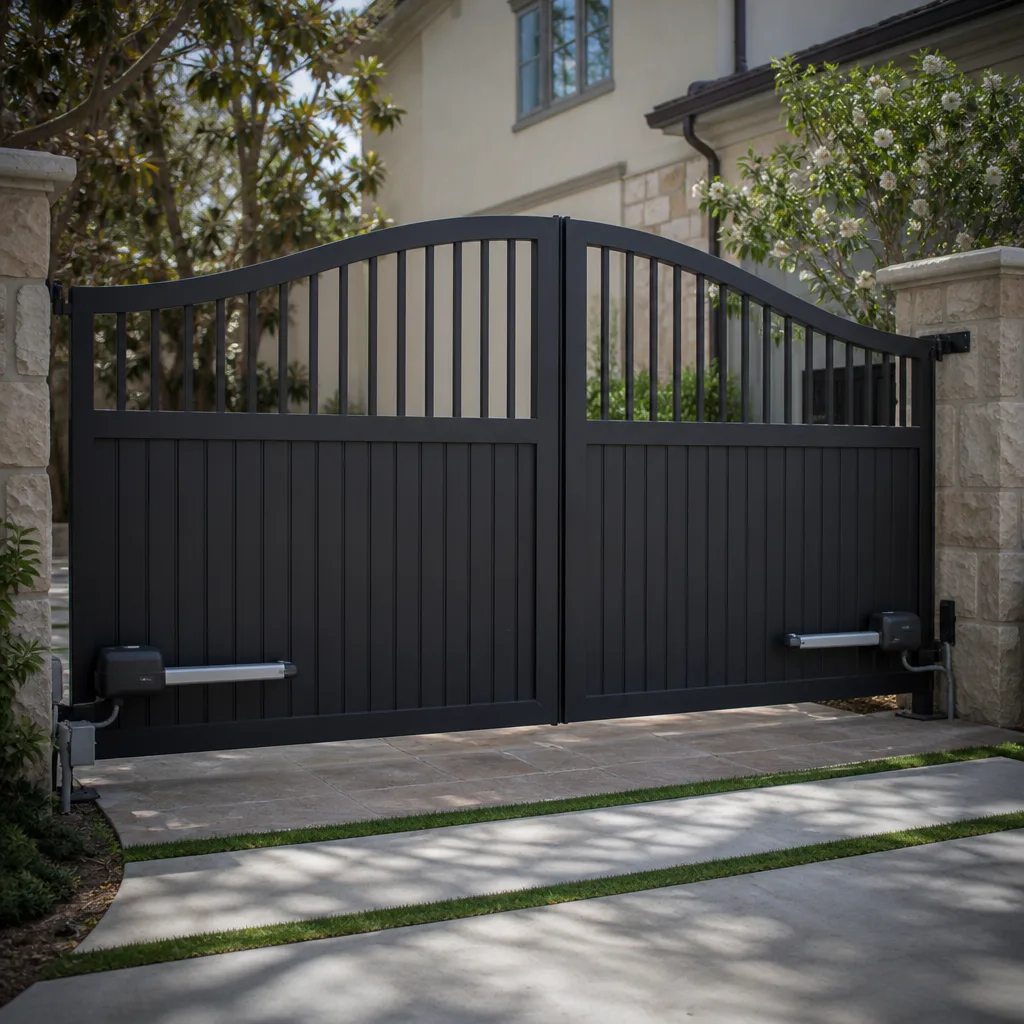 LiftMaster operators
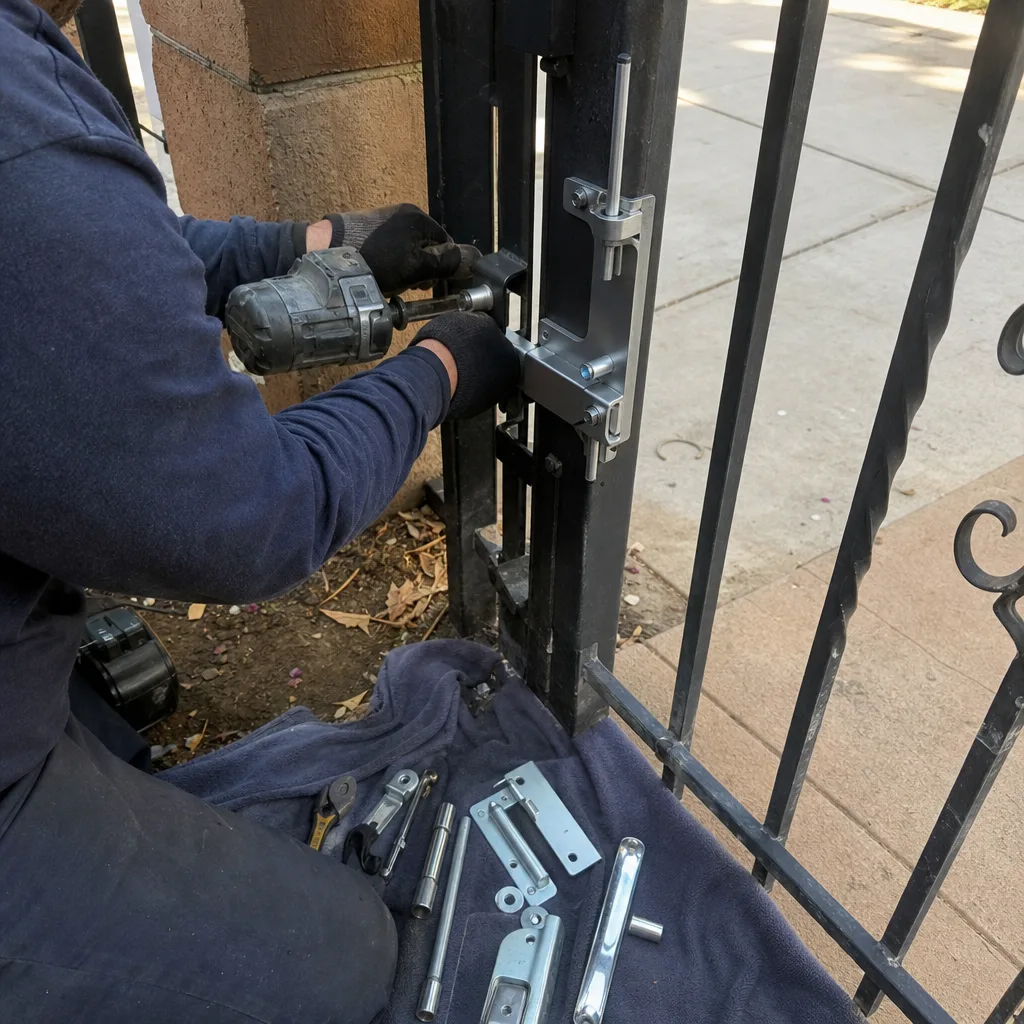
Free on-site gate assessment - hinges, posts, and your LiftMaster or Nice gate operator checked before anything is quoted
The assessment is free and the quote is the invoice.
Get your free estimateGate Repair Maintenance Schedule: What to Do and When
Most gate maintenance schedules you find online are built around calendar months, and that’s exactly why they fail. A gate that opens 30 times a day wears differently than one that opens 4 times a day, and a hydraulic operator in August needs different attention than the same operator in January. Lubricating a hinge with WD-40 on a set schedule isn’t maintenance either. It’s the fastest way to wash out the grease that was protecting the bearing, and it accelerates corrosion in Arleta’s dry, dusty summers. This guide replaces generic checkup advice with a task list tied to cycle counts, seasonal transitions, and the specific type of operator on your property.
Quick Answer
A residential gate maintenance schedule should be built around usage cycles and seasonal transitions, not fixed calendar months. Most homes in Arleta need a light visual check every 3 months, a full mechanical and electrical inspection twice a year, and a battery backup test at least once a year. Commercial or high-traffic gates that run more than 20 cycles per day need professional service quarterly, because the wear on hinges, operators, and control boards accumulates at a rate no annual visit can catch.
Styles & brands we work with
- Wrought iron
- Wood & steel frame
- Farm & ranch
- Sliding driveway gates
- LiftMaster operators
Table of Contents
- Why Cycle Counts Matter More Than Calendar Months
- Arleta Seasonal Tasks: Summer Dust and Winter Fluid
- The Right Lubricant for Each Gate Component
- Battery Backup: The Component That Fails When You Need It
- Residential Gate Maintenance Schedule: Step by Step
- Commercial and High-Traffic Gate Schedule
- What to Log After Every Technician Visit
- Common Mistakes to Avoid
- When to Call a Professional
- Frequently Asked Questions
Why Cycle Counts Matter More Than Calendar Months
A cycle is one full open-and-close sequence. Every time your gate completes a cycle, the operator’s motor turns, the gears engage, the hinges pivot, and the control board processes a command. Each of those actions produces microscopic wear. The question isn’t how many months have passed since your last checkup. It’s how many times the gate has worked since then.
Here’s what that means in practical terms. A typical Arleta home with two cars and a couple of deliveries per week might see 6 to 10 cycles a day. That’s roughly 2,200 to 3,650 cycles a year. A busy property with a home business, a multi-generational household, or a rental unit might see 20 to 30 cycles daily, pushing past 7,000 to 10,000 cycles a year. A commercial property or an apartment complex gate can easily run 100 to 200 cycles per day, which means some of those operators accumulate more wear in two months than a residential gate does in a year.
This is why a universal six-month schedule is nonsense. A gate running 200 cycles a day needs attention quarterly, sometimes monthly for the highest-traffic commercial systems. A gate running 5 cycles a day can probably manage with a single annual service, provided the homeowner is doing simple visual checks between visits.
We see this play out in Arleta all the time. The homeowner who hasn’t touched their gate in 18 months but runs it 4 times a day usually has minor issues. The property manager running a 40-unit building gate 24/7 is the one who calls us with a seized hinge or a burned-out operator motor after skipping two quarters of service. The gate doesn’t know what month it is. It only knows how many times it’s been asked to move.
- Count your gate’s cycles for one full week before setting any maintenance schedule.
- Classify your gate as low-traffic (under 8 cycles/day), medium-traffic (8 to 20 cycles/day), or high-traffic (over 20 cycles/day).
- Set your service interval based on that classification, not on a generic calendar reminder.
- Reassess the count every year, because usage patterns shift as households change.
Most homeowners underestimate their cycle count by half. We recommend actually watching the gate for a day or two before making a decision. If you’re not sure what category you’re in, call a gate specialist and describe your household. We can usually classify it within a couple of minutes.
Arleta Seasonal Tasks: Summer Dust and Winter Fluid
Arleta’s climate shapes gate wear in ways that generic maintenance guides never address. We don’t get freeze-thaw cycles. We get long, dry, hot summers with fine dust that works its way into every opening on a control board. We get mild winters that allow gates to keep operating normally, but that also lull owners into thinking nothing needs seasonal attention. Both seasons have specific tasks that belong on an Arleta gate maintenance schedule.
The post-summer dust purge is the single most overlooked maintenance step in this region. After a hot summer, accumulated dust settles inside the operator housing and clings to control board vents. That dust insulates components, traps heat, and causes control boards to run warmer than they should. Over time, that shortens the life of capacitors and relays. A residential gate owner in Arleta should have the operator housing opened and the control board vents blown clear once the weather cools, typically around late October or early November. If you’re not comfortable opening the operator housing, that’s a five-minute job for a technician during an annual visit.
Hydraulic operators need a different kind of attention before winter. In moderate temperatures, hydraulic fluid maintains a stable viscosity. When nights cool down, the fluid thickens slightly. For most residential hydraulic systems that’s not enough to cause a failure, but for commercial operators with fine pressure adjustments, the shift can trigger pressure sensor faults on cold mornings. The pre-winter task is to run the operator under load and verify that it opens and closes smoothly at morning temperatures. If the gate hesitates or shudders on a cold start, the fluid level or grade may need adjustment.
Wind is the third seasonal factor in Arleta. We don’t get hail, but we do get gusty days that put lateral pressure on gates and their hinges. A gate that runs true in calm weather can drag on its track when wind pushes against the panel. Check hinge bolts and track brackets after the first strong wind events of the season. A month of wind-driven wobble is enough to loosen hardware that was torqued correctly at installation.
The Right Lubricant for Each Gate Component
The wrong lubricant is worse than no lubricant. If you use WD-40 or any thin petroleum-based spray on a gate hinge, it penetrates into the bearing, dissolves the original grease, then evaporates. What’s left is a dry metal-on-metal pivot that wears faster than it would have with no attention at all. This is one of the most common ways homeowners shorten a hinge from a 10-year life to a 3-year replacement.
Each component on a gate system needs a specific type of lubrication, and in some cases none at all.
- Exposed pivot pins and hinge bearings: Marine-grade grease. It adheres to the metal, resists washout, and tolerates Arleta’s temperature swings. Apply sparingly, wipe away the excess, and avoid getting it on surfaces where dust can stick and form a grinding paste.
- Rack-and-pinion drives: Dry PTFE spray. This lubricant does not attract dust, which is exactly what you need on a toothed rack exposed to open air. Never use grease on a rack-and-pinion. Grease captures grit and accelerates tooth wear.
- Ball-bearing hinges on ornamental gates: A light machine oil is acceptable, but only if the hinge is sealed. If the bearing is open, oil attracts dust and turns abrasive. Many modern ornamental hinges are sealed and don’t need lubrication at all.
- Chain drives: A light chain lubricant, applied sparingly to the inside of the chain where it contacts the sprocket. Wipe away the exterior to prevent dust buildup.
- Rubber seals, gaskets, and weatherstripping: Nothing petroleum-based, ever. Petroleum degrades rubber and causes seals to swell or crack. If a seal needs conditioning, use a silicone-based product formulated for rubber, and only when the manufacturer allows it.
- Slide gate rollers and tracks: Keep them clean and dry. Most rollers are sealed or run on internal bearings that don’t require external lubrication. If a roller is squeaking, it’s usually worn out, not under-lubricated. Lubricating a dying roller just delays the inevitable by a few weeks.
If the rule feels complicated, it’s because it is. Every system is different. A correctly lubricated gate is one where you can’t see or feel excess product sitting on any surface. If you can see the grease, the gate is collecting dust into it. The practical takeaway is this: when in doubt, leave the lubrication to someone who can identify the component type and match it to the right product.
Battery Backup: The Component That Fails When You Need It
Battery backups are one of the least understood parts of an automated gate system. The battery sits in the operator housing, trickle-charges during normal use, and is supposed to supply power to open the gate during a grid outage. The problem is that most of these batteries degrade silently. They hold a charge well enough to pass a quick test during a routine service, then fail completely the first time they’re actually called on to run the gate for more than 30 seconds.
In Arleta, the first real power outage of the season is the moment when a homeowner discovers that their battery backup is dead. The gate had been working fine on main power. The battery was never stressed. Then the power drops, the gate does nothing, and the homeowner suddenly can’t get their car out of the driveway.
A battery backup maintenance cadence should be based on age, not usage. Most sealed lead-acid gate batteries last 2 to 4 years in our climate, with heat accelerating degradation. If your battery is more than 3 years old, it should be load-tested at least once a year, and ideally replaced proactively if it shows any voltage drop under load. The test isn’t a matter of checking voltage at idle. A battery can read 12.8 volts while disconnected and still collapse to 9 volts the instant a load is applied. The only meaningful test is a load test, done with the operator motor connected and running.
There’s also a difference between battery types. Some newer systems use lithium-ion batteries, which hold up better in heat and have longer service lives than sealed lead-acid. If you have a LiftMaster or Elite operator with the original battery from the factory, check the date on the battery itself. If it’s more than 3 years old, plan on replacement during your next service visit rather than waiting for a failure.
Residential Gate Maintenance Schedule: Step by Step
This schedule is written for a typical single-family home in Arleta running a sliding or swing gate between 4 and 12 cycles per day. Adjust the intervals up if your gate runs more often, and down if it runs less.
Every 3 Months (Homeowner Visual Check)
- Stand at the gate and run one full open-close cycle. Watch for hesitation, jerky movement, or a change in speed.
- Listen for new noises. A squeak means a dry hinge or a failing roller. A grinding noise means metal-on-metal contact that needs attention soon.
- Check the track (slide gates) or hinge bolts (swing gates) for visible looseness. Grab the gate panel and try to wiggle it side to side.
- Look at the ground where the gate travels. Debris, leaves, or gravel in the track will cause drag and strain the operator.
- Check the photo eyes or safety edges. Make sure they’re clean, aligned, and not blocked by weeds or landscaping.
None of these checks take more than 10 minutes. If you spot anything off, call a gate specialist before it turns into a full failure.
Every 6 Months (Professional Service Visit)
- Open the operator housing and blow out dust from the control board, vents, and transformer.
- Test the auto-reverse and all safety inputs, including photo eyes, safety edges, and external loops if present.
- Inspect the drive belt or chain for proper tension and alignment. A loose chain stretches further and starts skipping sprocket teeth.
- Check hinges for wear and re-lubricate with the correct product for the component type.
- Verify that all mounting bolts on the operator, hinges, and latch are torqued correctly.
- Run the gate through a minimum of 5 full cycles while observing the motor’s temperature and current draw.
- Load-test any battery backup if it’s more than 2 years old.
In Arleta, the two ideal windows for these visits are late fall (after the hot summer dust has settled) and late spring (before the heat returns). The fall visit is the more important of the two, because it clears the accumulated summer dust from the control board and addresses any heat-related degradation before the winter cycle begins.
Commercial and High-Traffic Gate Schedule
Commercial gates in apartment complexes, industrial properties, and gated communities run at cycle counts that make the residential schedule irrelevant. A gate serving a 30-unit building might open and close 150 times a day. That’s the same annual wear as a residential gate running for over a decade. Trying to maintain a property gate on a twice-a-year schedule is a guaranteed path to a seized operator and an angry line of tenants.
A commercial or high-traffic gate in Arleta should be professionally serviced every 3 months at minimum. Gates running more than 100 cycles a day should be on an 8-week schedule. The service list is longer than the residential version, and it includes tasks that only matter when the gate is cycling constantly.
- Control board thermal check: After 20 minutes of continuous cycling, the board should be warm but not hot. Excessive heat means failing caps, a load problem, or blocked vents.
- Motor current draw under load: Rising current draw over sequential service visits is an early warning of motor wear. A motor drawing 15 percent more current than its baseline is on its way out, even if it still works today.
- Track and roller inspection under load: Rollers on heavy commercial slide gates wear unevenly. Replace rollers before they fail, because a failed roller can drop a 1,200-pound gate panel onto the track.
- Safety system verification: Commercial gates are required to have functioning photo eyes, safety edges, or both. Test every input independently, not just the system as a whole.
- Hydraulic fluid level and condition: If the property has a hydraulic operator, check for fluid discoloration or contamination. Milky or dark fluid means moisture or particulate intrusion.
- Limit switch calibration: Over time, limit switches drift. A gate that overtravels or undershoots its closed position creates a security gap or strains the operator.
DoorKing operators are common in Arleta commercial installations, and they hold up well under high cycle counts when serviced on schedule. The problem is that many property managers treat them as invisible infrastructure. An operator can run for years with zero attention, right up until the day it can’t. The repair bill at that point is always bigger than a year of scheduled maintenance would have been.
What to Log After Every Technician Visit
Half the value of a professional gate service is the record it creates. When a gate fails, the diagnostic process is dramatically faster if we can see what was true at the last service visit. A gate that was drawing 11 amps last quarter and now draws 18 amps is telling us a very different story than a gate that was drawing 11 amps both times. Without the log, we have to re-establish baseline from scratch.
After every service visit, keep a written record of the following. A simple notebook page or a note in your phone is fine. The point is persistence, not format.
- The date of service and the technician’s name.
- The gate’s cycle count, if it was measured.
- Motor current draw at the start of the visit, measured in amps.
- Any lubrication applied, by component, with the product used.
- Any parts replaced, with the brand and part number if available.
- The condition of the battery backup, if tested, including the load-test voltage.
- The date of the last safety-system test performed.
- Any repair recommendations the technician made that were not performed that day.
The last item is the one most people ignore. When a technician says “your hinge bearings are starting to wear, you’ll probably need to replace them within a year,” that note belongs in the log. It tells the next technician where to look first, and it prevents a small bearing replacement from becoming a gate-off-its-track emergency.
We recommend keeping this log regardless of which company services your gate. A good log is a system-level asset. It makes any technician more effective, and it protects you from paying for the same diagnostic work twice.
Common Mistakes to Avoid
- Using WD-40 or penetrating oil on hinges and bearings. It washes out the factory grease, evaporates, and leaves the pivot running dry. Within a few months, the hinge wears faster than it would have with zero lubrication.
- Waiting for a noise to service the gate. By the time a gate squeaks, rattles, or grinds, wear has already progressed past the point of simple maintenance. Sound is a late-stage symptom, not an early warning.
- Ignoring the battery backup until an outage. Batteries fail silently and on their own aging schedule. If a battery is more than 3 years old in an Arleta garage or operator housing, it’s on borrowed time.
- Lubricating sealed rollers and expecting them to improve. A sealed roller that’s squeaking is failing internally. Greasing the outside does nothing but attract dust. Replace the roller.
- Scheduling maintenance by calendar months. A gate that runs 4 times a day and one that runs 40 times a day need different service intervals. The calendar doesn’t know how many cycles your gate has run.
- Letting landscaping grow around the track, photo eyes, and safety edges. Arleta’s growing season is long, and a month of neglected weeds can block a photo eye or push debris into the track, putting your gate out of service.
- Assuming the installer’s default settings are still correct years later. Gates settle. Tracks shift. Hinges wear. The limit switches and torque settings from installation day are not valid forever, and a recalibration is a normal part of long-term maintenance.
When to Call a Professional
Some maintenance tasks are DIY-friendly. Walking the track to clear debris, watching the gate run, and keeping a service log are all reasonable homeowner responsibilities. But the moment a gate shows signs of electrical trouble, motor strain, or structural looseness, the situation changes. A sliding gate in Arleta can weigh 800 pounds or more. When a panel that heavy binds, jumps a track, or falls, the potential for serious injury is real.
Call a professional if you see the gate stuttering or hesitating under load, if you hear a new grinding or popping sound, if the gate reverses unexpectedly, or if you notice any looseness in the hinges, track, or operator mount. If the operator trips a breaker more than once, that’s an electrical fault, not an inconvenience. And if the gate pulls away from its brackets or leans visibly, stop running it immediately. Gate Repair Arleta offers free estimates in Arleta – call (855) 473-3106 to schedule an inspection.
Frequently Asked Questions
Most residential gates in Arleta should be professionally serviced twice a year, with simple homeowner visual checks every 3 months. If your gate runs more than 20 cycles per day, increase professional service to quarterly. Call (855) 473-3106 for an estimate – it’s free, and the written estimate sets the final price before any work starts.
Yes. We’re an electric gate repair specialist that works on Mighty Mule and other major brands including LiftMaster, DoorKing, and Elite. The service interval for a Mighty Mule system follows the same cycle-count logic as any other operator, so we’ll help you set a schedule based on how often your gate actually runs, not a generic calendar reminder.
Most slide gate tracks should be kept clean and dry, not lubricated. Excess lubricant on a track collects dust and grit, which accelerates roller wear. If a component truly needs lubrication, match the product to the part: marine-grade grease for pivot pins, dry PTFE for rack-and-pinion drives, and a silicone-based product for rubber seals. We can identify the correct product for your specific hardware during a gate repair visit in Arleta.
In Arleta’s climate, most sealed lead-acid gate batteries last 2 to 4 years, with heat shortening the lifespan. Lithium-ion batteries typically last longer. If your battery is more than 3 years old, schedule an annual load test so you don’t discover a dead battery during the first power outage you actually need it. Call (855) 473-3106 to book a battery test.
A commercial service visit includes a full inspection of the operator, control board, motor current draw, safety systems, hinges, rollers, and hydraulic fluid if applicable. We test every input independently and verify that the gate operates correctly under continuous cycling.
No. Most maintenance and service visits can be completed without anyone home, as long as we can access the gate and the operator housing. We’ll leave a written report of what was checked, what was adjusted, and what needs attention at the next visit. Call (855) 473-3106 to schedule service. We answer 24/7. Fast dispatch from 7am to 7pm, Sunday through Friday.
The Bottom Line
A gate maintenance schedule that ignores cycle counts, seasonal conditions, and component types is a schedule that fails. In Arleta, the rhythm of maintenance is set by how many times a day the gate runs, how much summer dust has accumulated in the operator housing, and whether your backup battery has silently aged past its useful life. The homeowners who get the most from their gates are the ones who watch them, listen to them, and keep a written record. That’s the difference between a gate that runs for 12 years and one that needs a motor replacement at year 4. You don’t need to be an expert. You need a schedule that matches the way your gate is actually used, and you need to call a specialist when something changes.
Written by the team at Gate Repair Arleta, serving Arleta since 2018.
See the difference
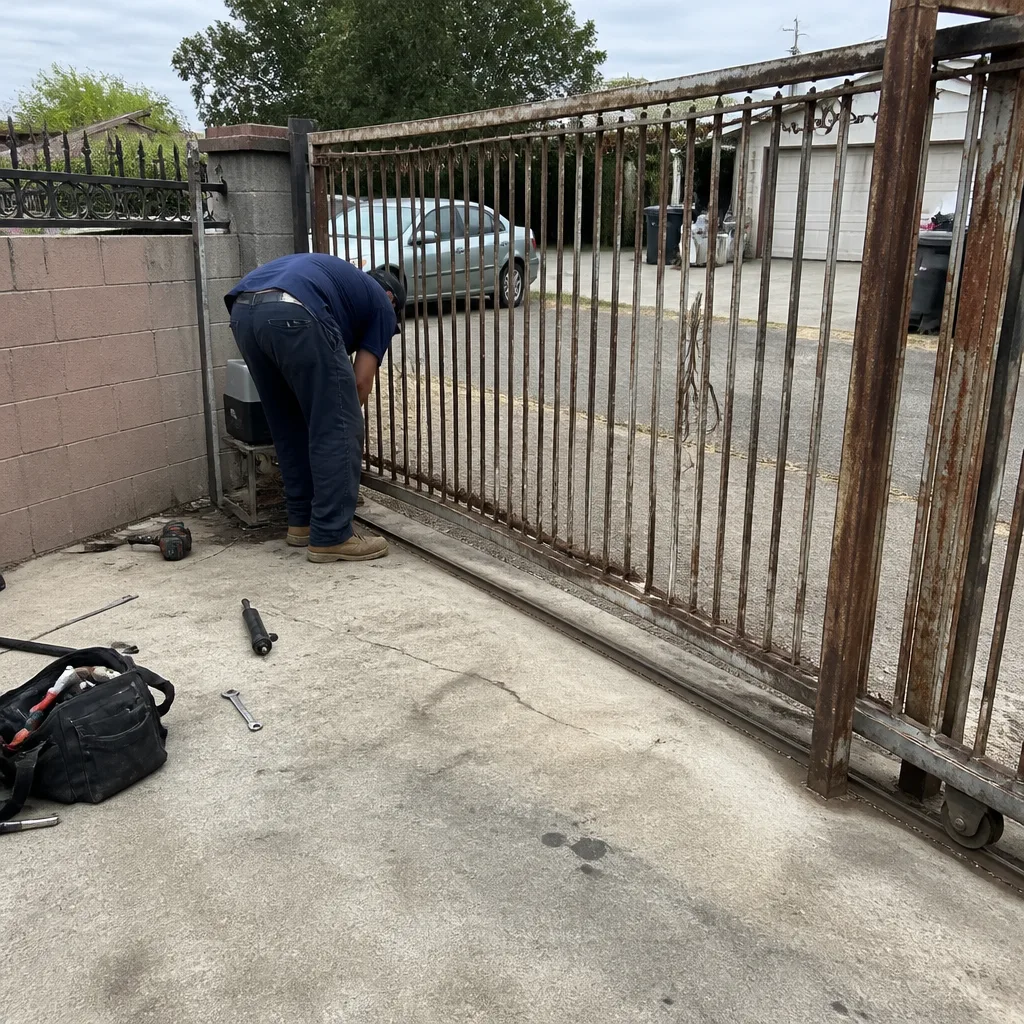 Before
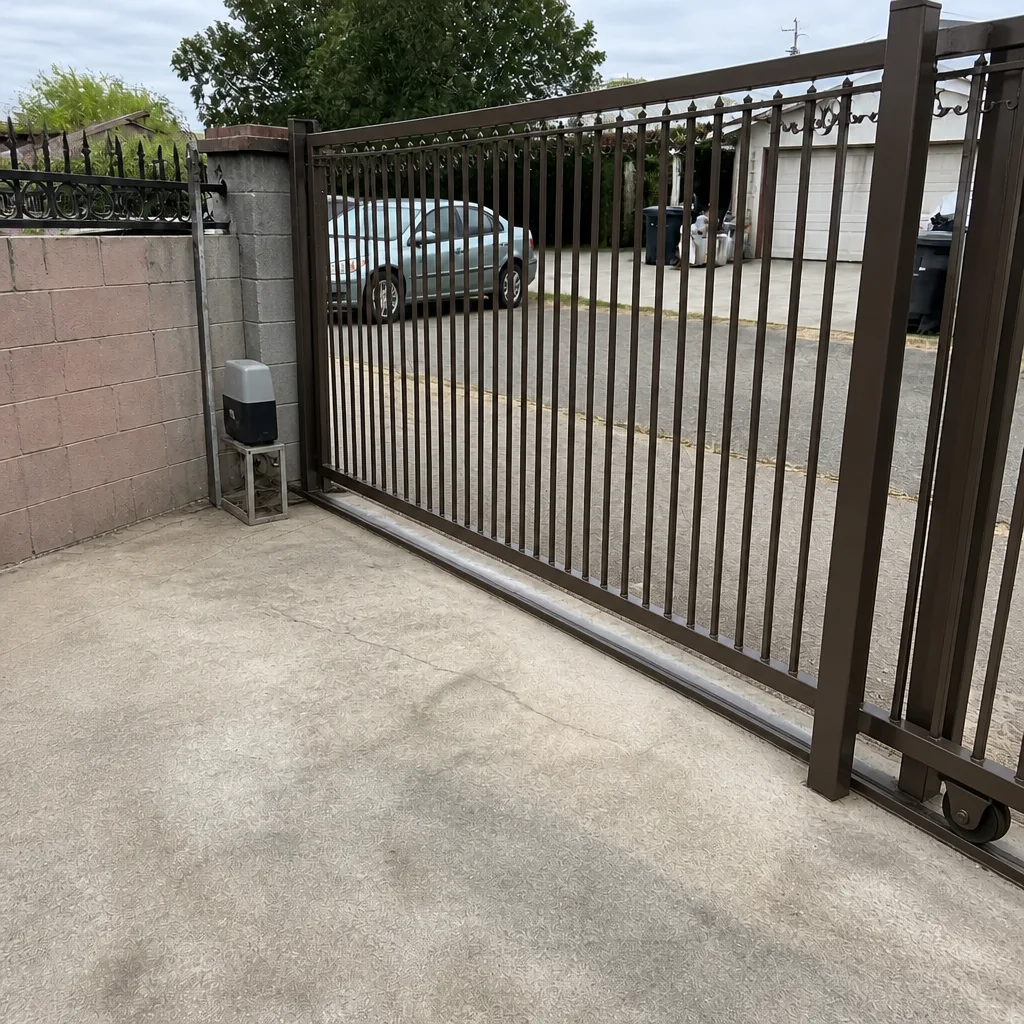 After
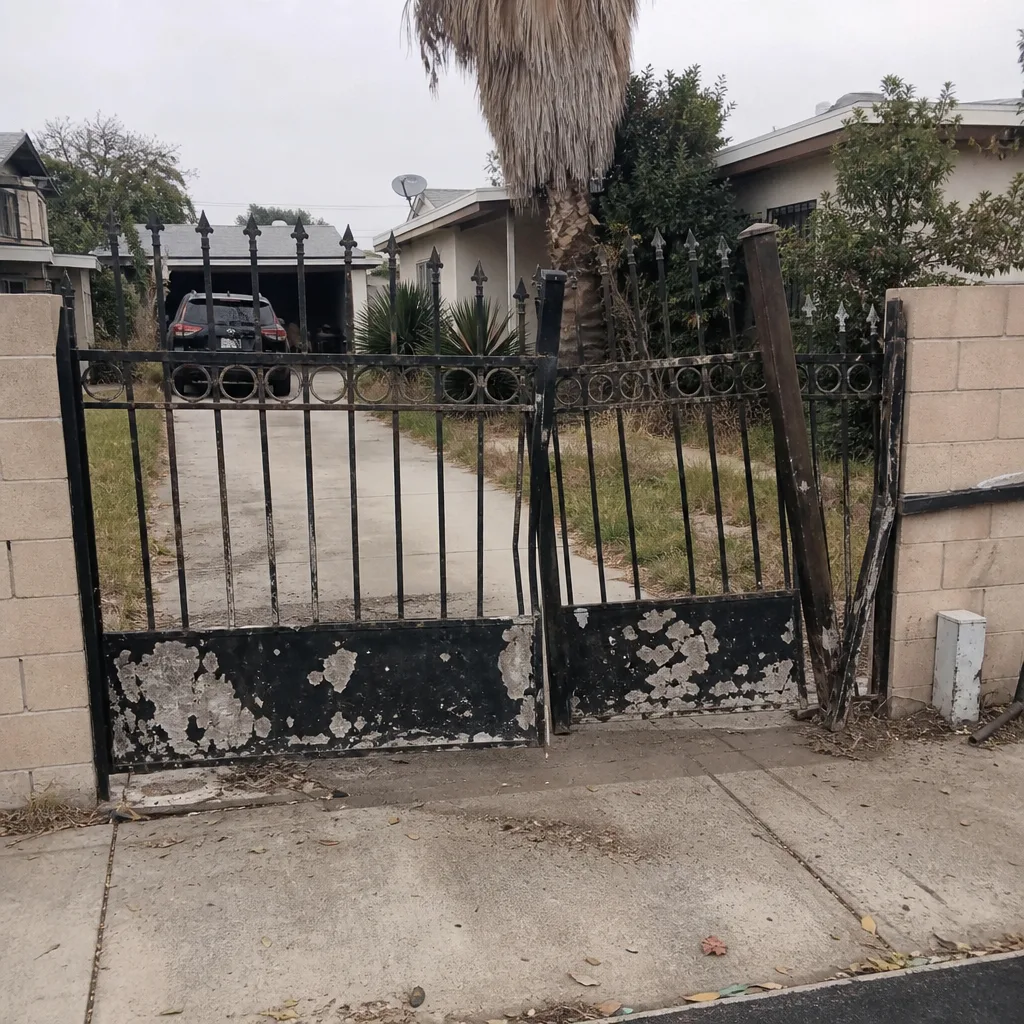 Before
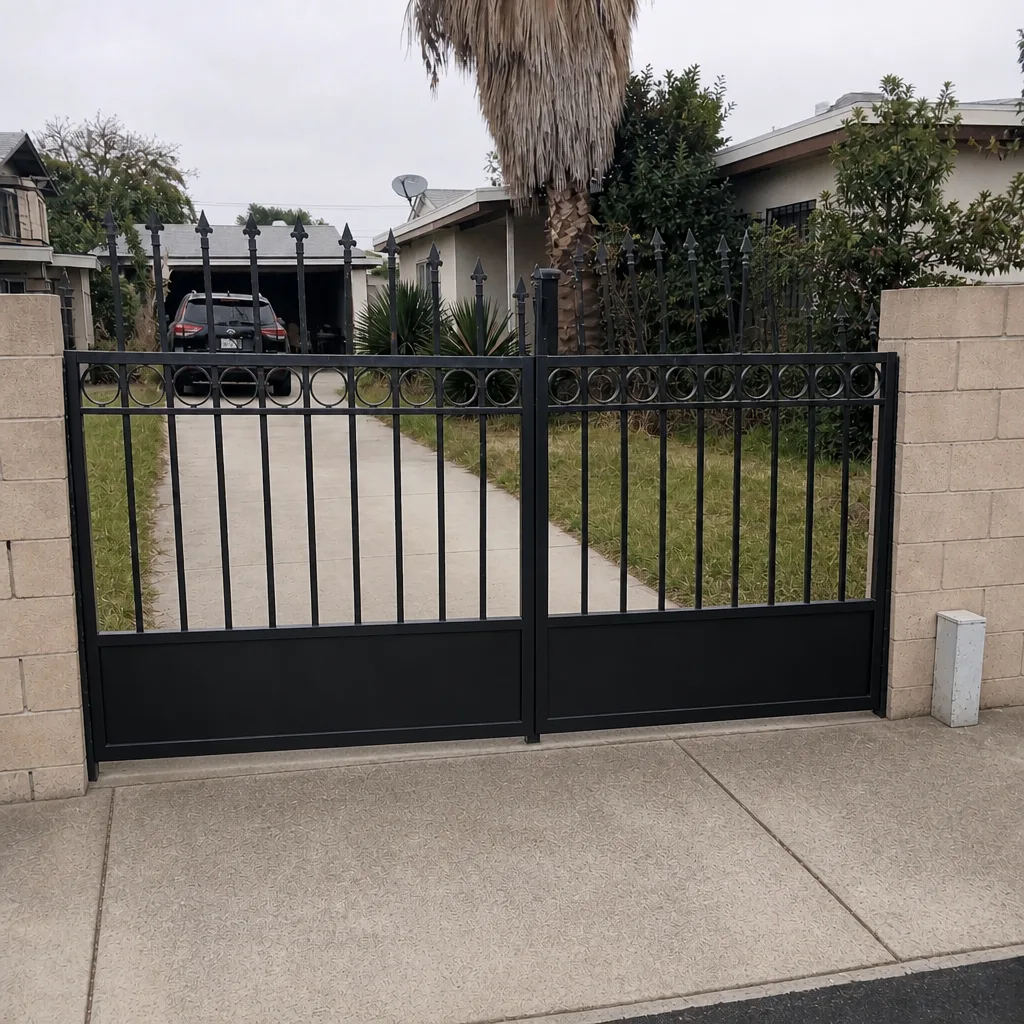 After
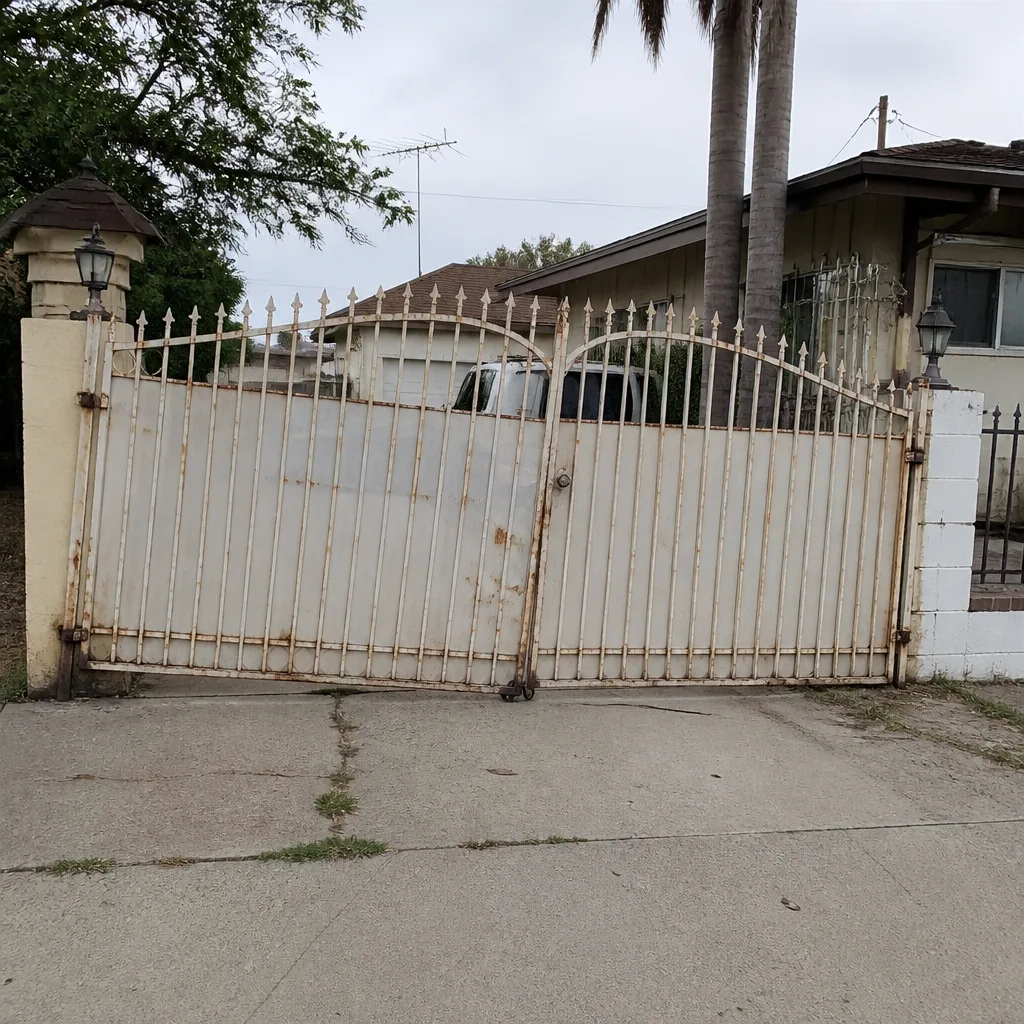 Before
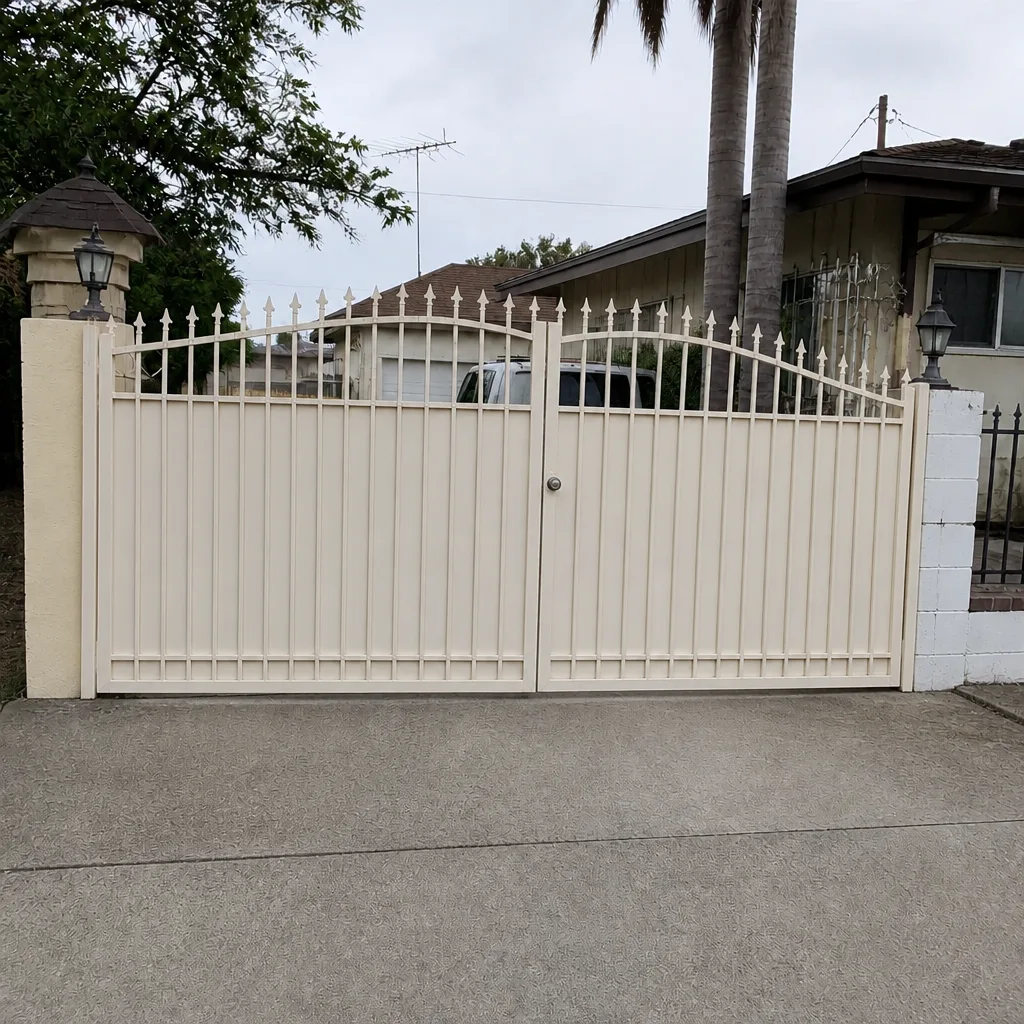 After